

Tesla begins testing its production Cybercab in Austin, which does not have a steering wheel or pedals.
**TL;DR** Tesla is testing a production version of its Cybercab without steering wheels or pedals on the streets of Austin, accompanied by a safety monitor in the passenger seat.
Tesla has started testing a production version of its Cybercab on public roads in Austin, Texas, featuring no steering wheel or pedals. This two-seat vehicle, initially introduced in October 2024, operates solely on its autonomous software while a safety monitor occupies the right passenger seat. Tesla shared video footage of the test on X, showcasing the gold-colored Cybercab navigating Austin's streets without any human controls inside.
This marks the first instance of Tesla operating a vehicle without manual driving controls on public roads. Previous prototype Cybercabs tested in various U.S. cities recent weeks had traditional steering and pedals. The removal of these controls in the production model signals a significant step toward the deployment of Tesla's purpose-built robotaxi.
The timing is notable. Last week, the NHTSA suggested eliminating the federal requirement for brake pedals in vehicles specifically designed for automated driving systems. If this rule change is enacted, it would remove one of the last major regulatory hurdles for vehicles like the Cybercab and is anticipated to be approved later this year.
Since June 2025, Tesla has been running a robotaxi service in Austin using modified Model Y SUVs, some of which operate without human safety drivers. Records from Texas indicate that Tesla has 42 registered robotaxis in the state, in contrast to Waymo's 577. The Cybercab aims to alter this landscape by providing a vehicle that is cheaper to produce and operate compared to retrofitting existing consumer cars.
Tesla claims it can outpace Waymo because it develops both the vehicle and the driving software, allowing for better cost control. Additionally, Tesla relies exclusively on cameras for perception, whereas Waymo uses a combination of lidar, radar, and cameras, which constitutes a more expensive sensor system. Tesla aims for a retail price below $30,000 for the Cybercab, with a long-term production target of two million units annually.
The Austin robotaxi service has faced challenges, with Tesla reporting 17 incidents between July 2025 and April 2026, including at least two crashes caused by remote teleoperators intervening at low speeds. Waymo has encountered issues as well, with a recall of nearly 4,000 robotaxis after the vehicles entered highway construction zones on 13 occasions.
Both companies are discovering that scaling autonomous driving reveals edge cases more quickly than the software can address them. To date, Waymo has had six recalls, while Tesla's Austin fleet has recorded crashes involving both its AI and human backup systems.
The introduction of distinctive, gold-colored Cybercabs with no visible controls will subject Tesla's robotaxi initiative to much greater public scrutiny than the less conspicuous Model Y fleet. Every mistake will be more noticeable, while every success will be harder to overlook. The performance of the Cybercab in Austin will determine whether it can meet the lofty promises made over the years, rather than relying on Elon Musk's projections.
Other articles
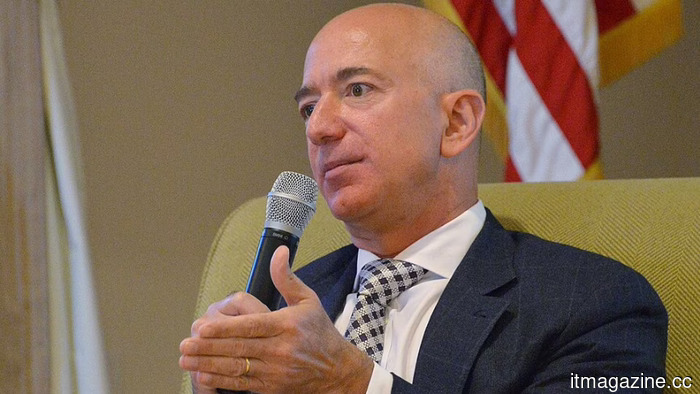 Blue Origin is still uncertain about the cause of the New Glenn explosion but intends to launch again this year.
According to Blue Origin CEO Dave Limp, the underlying cause of the explosion in May is still undetermined, although initial analysis suggests it may be related to the aft section of the first stage.
Blue Origin is still uncertain about the cause of the New Glenn explosion but intends to launch again this year.
According to Blue Origin CEO Dave Limp, the underlying cause of the explosion in May is still undetermined, although initial analysis suggests it may be related to the aft section of the first stage.
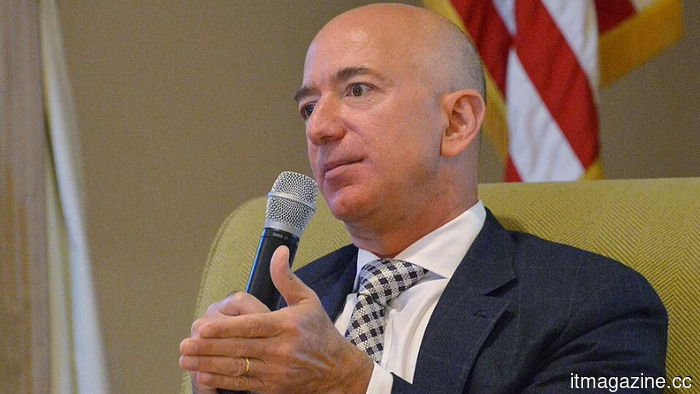 Blue Origin has yet to determine the cause of the New Glenn explosion but intends to launch again this year.
Blue Origin's CEO Dave Limp states that the cause of the explosion in May is still unclear, though preliminary assessments indicate that it originated from the aft section of the first stage.
Blue Origin has yet to determine the cause of the New Glenn explosion but intends to launch again this year.
Blue Origin's CEO Dave Limp states that the cause of the explosion in May is still unclear, though preliminary assessments indicate that it originated from the aft section of the first stage.
 Samsung is set to release a new Galaxy Ring that may feature some innovative health functionalities.
Samsung is developing a new Galaxy Ring, and the key improvement might stem from the processes that follow the ring’s collection of health signals in the background. Hon Pak, the head of Samsung’s digital health team, mentioned to Forbes that a next-generation ring is currently in the works. However, Samsung has not revealed the name, expected launch date, pricing, regions, or […]
Samsung is set to release a new Galaxy Ring that may feature some innovative health functionalities.
Samsung is developing a new Galaxy Ring, and the key improvement might stem from the processes that follow the ring’s collection of health signals in the background. Hon Pak, the head of Samsung’s digital health team, mentioned to Forbes that a next-generation ring is currently in the works. However, Samsung has not revealed the name, expected launch date, pricing, regions, or […]
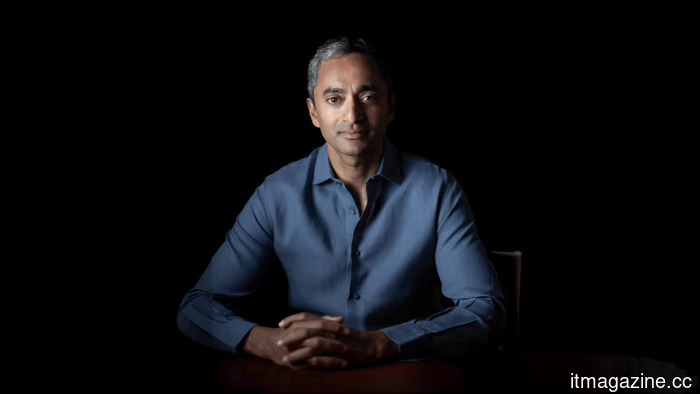 Chamath’s AI coding company 8090 secures $135 million in funding.
Chamath Palihapitiya has secured $135 million, with Salesforce as the leading investor, for his AI coding startup, 8090, and is taking on the role of CEO for the first time since his tenure at Facebook.
Chamath’s AI coding company 8090 secures $135 million in funding.
Chamath Palihapitiya has secured $135 million, with Salesforce as the leading investor, for his AI coding startup, 8090, and is taking on the role of CEO for the first time since his tenure at Facebook.
 Google begins testing Gmail Live, its new voice search feature for your inbox.
Google has begun testing Gmail Live, a voice-activated search feature that responds to verbal inquiries regarding your inbox and directs you to the original email.
Google begins testing Gmail Live, its new voice search feature for your inbox.
Google has begun testing Gmail Live, a voice-activated search feature that responds to verbal inquiries regarding your inbox and directs you to the original email.
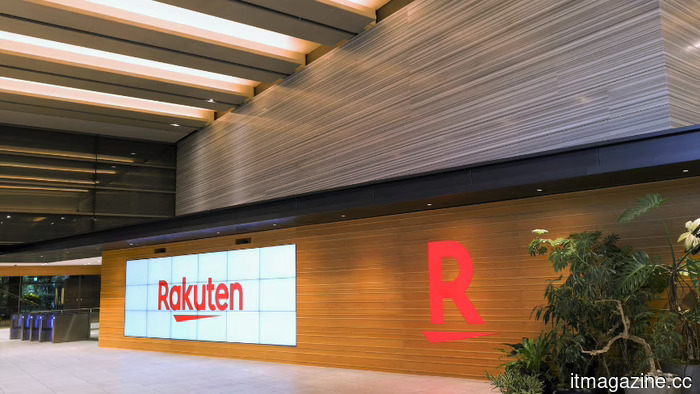 The Japanese government is set to allocate up to $926 million in grants for Rakuten's satellite project.
Japan will support a satellite consortium led by Rakuten with up to ¥150 billion ($926 million) to establish a domestic low-Earth-orbit network and reduce dependence on Starlink.
The Japanese government is set to allocate up to $926 million in grants for Rakuten's satellite project.
Japan will support a satellite consortium led by Rakuten with up to ¥150 billion ($926 million) to establish a domestic low-Earth-orbit network and reduce dependence on Starlink.
Tesla begins testing its production Cybercab in Austin, which does not have a steering wheel or pedals.
Tesla has started engineering tests of its production Cybercab in Austin, which does not have a steering wheel or pedals, with a safety monitor seated in the passenger seat.