
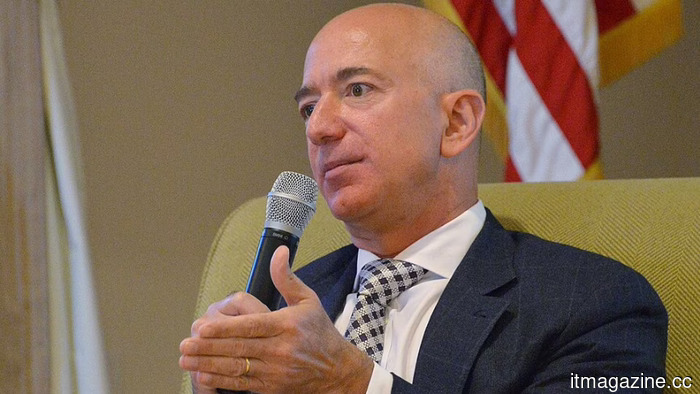
Blue Origin is still uncertain about the cause of the New Glenn explosion but intends to launch again this year.
**TL;DR** Blue Origin remains uncertain about the cause of the New Glenn explosion in May, with initial assessments indicating the aft section of the first stage. In a blog post on Tuesday, CEO Dave Limp mentioned that the company is analyzing extensive data from various cameras and sensors to determine the issue. The incident on May 28 led to the destruction of the rocket and caused significant damage to Blue Origin’s sole New Glenn launch pad in Cape Canaveral, Florida.
The rocket was set for its fourth flight when it exploded during a prelaunch engine test, with no injuries reported. New Glenn had completed three flights since its launch in January 2025, successfully reaching orbit on its first attempt, but lost payloads on two of those missions.
Limp commended employees for swiftly progressing in the reconstruction of the launch site. The explosion resulted in the loss of a lightning tower and the transporter-erector, the equipment used to transport and position New Glenn on the pad. Nearby structures also suffered damage.
However, Limp noted that the company experienced several fortuitous circumstances, allowing them to avoid replacing components with lengthy manufacturing lead times. The site’s water tower, gas tanks, and rocket integration facility remained intact.
In a major operational shift, Blue Origin will discontinue the use of the transporter-erector and will now employ a large crane to position New Glenn vertically on the pad prior to flights. Limp had previously committed to resuming flights before the end of 2026, stating that the crane method would facilitate a quicker return to flight and enhance the rocket's launch frequency moving forward.
The situation is critical as Blue Origin plays a vital role in NASA’s initiative to send astronauts back to the moon before President Trump’s term ends. New Glenn is slated to launch the Blue Moon lander, which will carry crews to the moon's surface for the Artemis program. NASA is aiming for the first crewed moon landing since Apollo 17 in 1972 to occur in 2028, making any delays at Cape Canaveral significant.
Prior to the May explosion, Blue Origin had planned up to 12 launches this year, as reported by TechCrunch. The company's satellite internet service, Amazon Leo, also relies on New Glenn to deploy numerous satellites by an impending FCC deadline. Blue Origin has been contracted for 12 launches to establish the constellation, and the launch pad's destruction has halted this pipeline.
Determining the root cause is essential for the next steps. Blue Origin cannot reinitiate flights, resume its NASA and Amazon commitments, or restore investor confidence until it identifies the issue within the aft section of the first stage and demonstrates it has been resolved. Although Limp expressed optimism, the company is still engaged in the initial phase, a month after the explosion.
Published June 30, 2026 - 4:58 pm UTC
Other articles
 Motorola's upcoming Edge smartphone may bring a more affordable MagSafe experience to Android compared to what Google offered.
The Motorola Edge 70 Max has been spotted with Qi2.2.1 certification, suggesting it includes built-in magnets, supports 25W wireless charging, and is compatible with Android accessories similar to MagSafe.
Motorola's upcoming Edge smartphone may bring a more affordable MagSafe experience to Android compared to what Google offered.
The Motorola Edge 70 Max has been spotted with Qi2.2.1 certification, suggesting it includes built-in magnets, supports 25W wireless charging, and is compatible with Android accessories similar to MagSafe.
 Onyx Boox Note Max review: One year on, I still adore this large e-reader that behaves like a laptop, even though it really isn't.
The Onyx Boox Max Note is an impressive paper-like device that offers a lot of versatility. However, its greatest strength also leads to its main weakness.
Onyx Boox Note Max review: One year on, I still adore this large e-reader that behaves like a laptop, even though it really isn't.
The Onyx Boox Max Note is an impressive paper-like device that offers a lot of versatility. However, its greatest strength also leads to its main weakness.
 The Supreme Court is set to hear Apple's appeal regarding the contempt ruling related to the App Store in the Epic case.
The Supreme Court has decided to examine lower court decisions that determined Apple willfully violated a 2021 order regarding App Store fees during its dispute with Epic Games.
The Supreme Court is set to hear Apple's appeal regarding the contempt ruling related to the App Store in the Epic case.
The Supreme Court has decided to examine lower court decisions that determined Apple willfully violated a 2021 order regarding App Store fees during its dispute with Epic Games.
 Another study demonstrates that injury advice found on TikTok is simply poor.
A recent study revealed that TikTok videos on ACL rehabilitation exercises were generally subpar, sparking new worries about teenagers relying on viral content for guidance on injury recovery.
Another study demonstrates that injury advice found on TikTok is simply poor.
A recent study revealed that TikTok videos on ACL rehabilitation exercises were generally subpar, sparking new worries about teenagers relying on viral content for guidance on injury recovery.
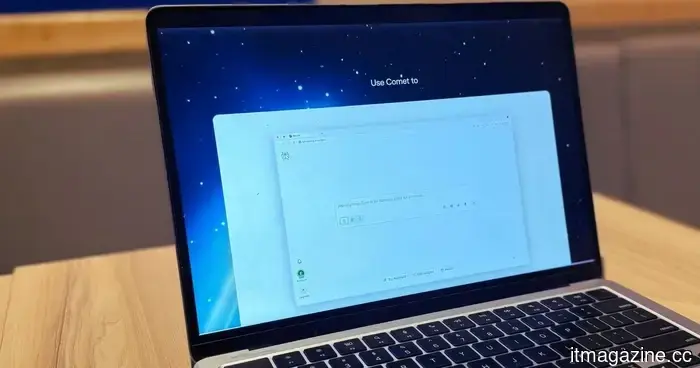 AI browsers such as Perplexity Comet can be deceived into revealing your password via the BioShocking exploit.
A recently discovered exploit named BioShocking tricks AI browsers into thinking they are engaged in a game, subsequently leading them to surrender your personal information.
AI browsers such as Perplexity Comet can be deceived into revealing your password via the BioShocking exploit.
A recently discovered exploit named BioShocking tricks AI browsers into thinking they are engaged in a game, subsequently leading them to surrender your personal information.
Blue Origin is still uncertain about the cause of the New Glenn explosion but intends to launch again this year.
According to Blue Origin CEO Dave Limp, the underlying cause of the explosion in May is still undetermined, although initial analysis suggests it may be related to the aft section of the first stage.