
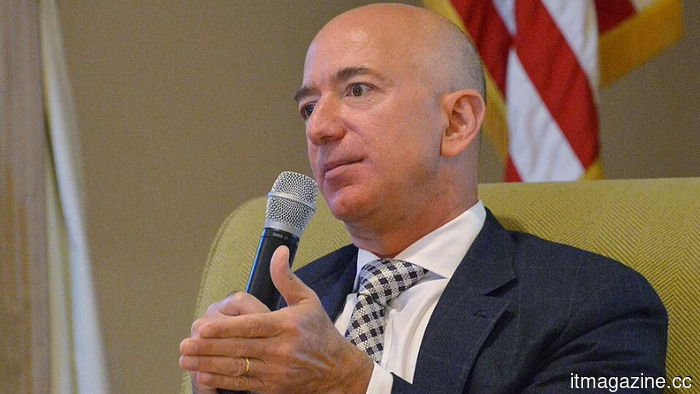
Blue Origin has yet to determine the cause of the New Glenn explosion but intends to launch again this year.
Blue Origin has yet to determine the cause of the New Glenn rocket explosion that occurred in May, as stated by CEO Dave Limp in a blog post on Tuesday. Initial analyses suggest the issue may have originated in the aft section of the first stage. The company is analyzing extensive data from various camera angles and sensors to uncover the root cause. The incident on May 28 resulted in the destruction of the rocket and significant damage to Blue Origin’s only New Glenn launch pad at Cape Canaveral, Florida.
The explosion happened while the rocket was preparing for its fourth flight during a prelaunch engine test, but fortunately, there were no injuries. New Glenn had previously flown three times since its launch in January 2025, successfully reaching orbit on its first attempt but losing payloads in two of its missions.
Limp commended employees for their rapid efforts in rebuilding the launch site. The explosion destroyed a lightning tower and the transporter-erector, which is the large equipment that transported New Glenn to the launch pad and positioned it vertically. Nearby structures also sustained damage.
However, Limp noted that the company benefited from some favorable circumstances and plans to maximize these advantages. The on-site water tower, gas tanks, and rocket integration facility remained intact, which alleviates the need for replacements that have long manufacturing lead times.
In a major operational shift, Blue Origin will completely abandon the transporter-erector. Instead, the company will utilize a large crane to verticalize New Glenn on the launch pad prior to flights. Limp had previously committed to conducting another flight before the end of 2026, stating that the crane method would not only expedite the return to flight but also enhance the rocket’s launch frequency in the future.
The situation is critical because Blue Origin plays a vital role in NASA's strategy to return astronauts to the moon before the end of President Trump’s term. New Glenn has been designated as the launch vehicle for the Blue Moon lander, which will take crews to the lunar surface for the Artemis program. NASA aims for the first crewed moon landing since Apollo 17 in 1972 to occur in 2028, and any delays at Cape Canaveral affect that timeline.
Before the explosion in May, Blue Origin was planning as many as 12 launches this year, according to TechCrunch. Additionally, Amazon’s satellite internet service, Amazon Leo, relies on New Glenn to deploy hundreds of satellites before a looming FCC deadline. The company had contracted Blue Origin for 12 flights to establish the satellite constellation, but the destruction of the launch pad has halted that development.
Determining the cause of the explosion is essential for moving forward. Blue Origin cannot resume flights, fulfill its NASA and Amazon obligations, or restore investor confidence until it identifies and addresses the issues with the aft section of the first stage. Limp's tone was optimistic, but a month after the explosion, the company is still focused on this crucial first step.
Other articles
 Kobo responds to Kindle's Goodreads feature by introducing automatic syncing with StoryGraph.
Kobo has activated its integration with StoryGraph, allowing your reading progress to sync automatically. There’s no need for manual updates anymore.
Kobo responds to Kindle's Goodreads feature by introducing automatic syncing with StoryGraph.
Kobo has activated its integration with StoryGraph, allowing your reading progress to sync automatically. There’s no need for manual updates anymore.
 The Supreme Court is set to hear Apple's appeal regarding the contempt ruling related to the App Store in the Epic case.
The Supreme Court has decided to examine lower court decisions that determined Apple willfully violated a 2021 order regarding App Store fees during its dispute with Epic Games.
The Supreme Court is set to hear Apple's appeal regarding the contempt ruling related to the App Store in the Epic case.
The Supreme Court has decided to examine lower court decisions that determined Apple willfully violated a 2021 order regarding App Store fees during its dispute with Epic Games.
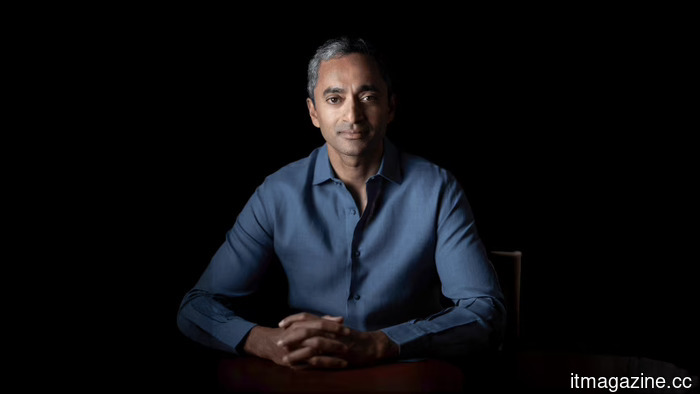 Chamath's AI coding startup, 8090, has secured $135 million in funding.
Chamath Palihapitiya has secured $135 million, with Salesforce taking the lead, for his AI coding startup 8090, and he is assuming the role of CEO for the first time since his tenure at Facebook.
Chamath's AI coding startup, 8090, has secured $135 million in funding.
Chamath Palihapitiya has secured $135 million, with Salesforce taking the lead, for his AI coding startup 8090, and he is assuming the role of CEO for the first time since his tenure at Facebook.
 Clicks showcases its Communicator phone, inspired by BlackBerry, in a new hands-on video.
The Clicks Communicator, priced at $499, features a physical keyboard and a Signal Light for filtered notifications, with shipping expected in Q4. A recent video provides a close-up look at the hardware.
Clicks showcases its Communicator phone, inspired by BlackBerry, in a new hands-on video.
The Clicks Communicator, priced at $499, features a physical keyboard and a Signal Light for filtered notifications, with shipping expected in Q4. A recent video provides a close-up look at the hardware.
 Tesla begins testing its production Cybercab in Austin, which lacks a steering wheel and pedals.
Tesla has started engineering tests of its production Cybercab in Austin, which does not have a steering wheel or pedals, while a safety monitor occupies the passenger seat.
Tesla begins testing its production Cybercab in Austin, which lacks a steering wheel and pedals.
Tesla has started engineering tests of its production Cybercab in Austin, which does not have a steering wheel or pedals, while a safety monitor occupies the passenger seat.
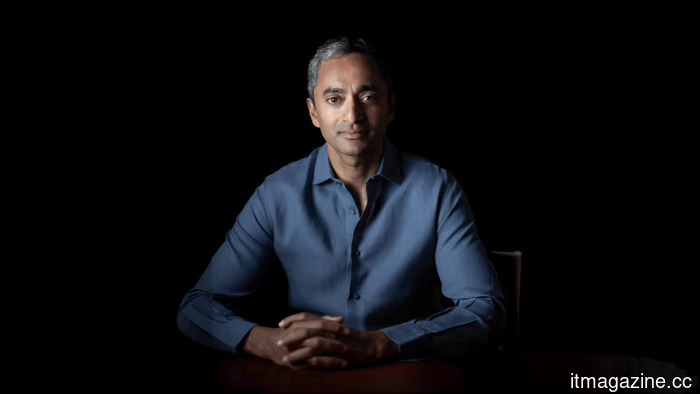 Chamath’s AI coding company 8090 secures $135 million in funding.
Chamath Palihapitiya has secured $135 million, with Salesforce as the leading investor, for his AI coding startup, 8090, and is taking on the role of CEO for the first time since his tenure at Facebook.
Chamath’s AI coding company 8090 secures $135 million in funding.
Chamath Palihapitiya has secured $135 million, with Salesforce as the leading investor, for his AI coding startup, 8090, and is taking on the role of CEO for the first time since his tenure at Facebook.
Blue Origin has yet to determine the cause of the New Glenn explosion but intends to launch again this year.
Blue Origin's CEO Dave Limp states that the cause of the explosion in May is still unclear, though preliminary assessments indicate that it originated from the aft section of the first stage.