

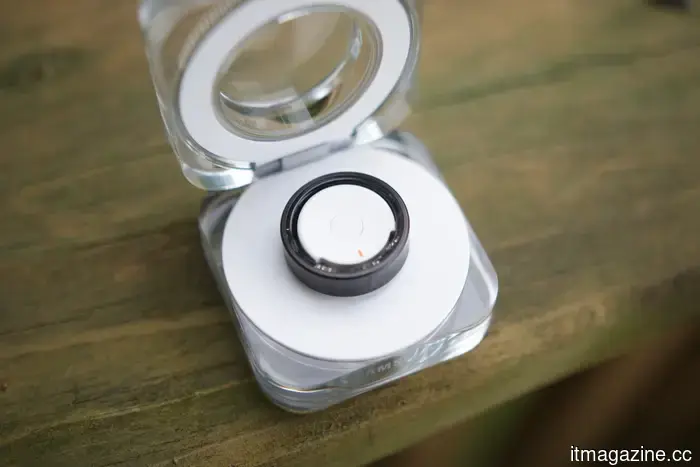
Samsung is set to release a new Galaxy Ring that may feature some innovative health functionalities.
Samsung is developing a new Galaxy Ring, with the most significant enhancement potentially stemming from how the ring processes health signals continuously in the background.
Hon Pak, who leads Samsung's digital health division, informed Forbes that a next-generation ring is in the works. Samsung has not yet revealed its name, launch date, price, target markets, or specifications, so referring to it as Galaxy Ring 2 serves as a convenient placeholder rather than an official designation.
The primary focus appears to be on continuous monitoring. Samsung aims to create wearables that can learn an individual's regular patterns over time, thus detecting changes early enough to prompt a medical checkup or encourage healthier daily habits.
How the ring could identify issues
Samsung is already developing health features based on personal baselines. One forthcoming tool in Samsung Health will utilize seven nights of sleep data to determine a user's norm by analyzing metrics like heart rate, respiratory rate, blood oxygen levels, and other overnight measurements. It will then monitor for significant changes that warrant attention.
A smart ring is well-suited for this role. For many users, it is more convenient to wear overnight than a watch, and sleep is where Samsung is already focusing on subtler health signals.
Additionally, Samsung aims to introduce a Heart Health Score that integrates data on sleep, nutrition, activity, and stress in relation to cardiovascular risk. The company has not specified which features the next ring will support independently, suggesting that Galaxy Ring 2 will likely integrate into a broader Samsung Health ecosystem.
Why AI will bear the burden
Pak described the smart ring market as a competition driven by software, since the current competing rings utilize similar sensors. This creates a demand for Samsung Health to transform raw data into reliable guidance for users.
Samsung can gather context from multiple sources. A ring can pick up passive signals, while a Galaxy Watch can provide more detailed metrics, and SmartThings can incorporate habits related to sleep, nutrition, and home routines.
The challenge lies in moderation. Health prompts should not resemble another notification stream, as users may dismiss them before trust is established with the system.
What follows the hardware reveal
Samsung's next phase seems to involve AI coaching that personalizes itself to the user. Pak explained a vision for a system that adapts its timing, tone, and motivational approach to encourage improved sleep or activity habits.
Compatibility remains uncertain. Currently, the Galaxy Ring is linked to Samsung's Android ecosystem, but Pak indicated that future updates may clarify the direction of the product line.
For now, Galaxy Ring 2 is particularly noteworthy for one main consideration: whether Samsung can effectively convert passive health data into actionable advice that users will heed before the information becomes too easy to overlook.

Other articles
 Samsung is set to release a new Galaxy Ring, which might introduce some innovative health features.
Samsung is developing a new Galaxy Ring, with a significant enhancement potentially stemming from the way the ring processes health signals in the background. Hon Pak, head of Samsung's digital health team, informed Forbes about the ongoing development of this next-generation ring. However, Samsung has yet to reveal details regarding the name, release date, pricing, regions, or other specifics.
Samsung is set to release a new Galaxy Ring, which might introduce some innovative health features.
Samsung is developing a new Galaxy Ring, with a significant enhancement potentially stemming from the way the ring processes health signals in the background. Hon Pak, head of Samsung's digital health team, informed Forbes about the ongoing development of this next-generation ring. However, Samsung has yet to reveal details regarding the name, release date, pricing, regions, or other specifics.
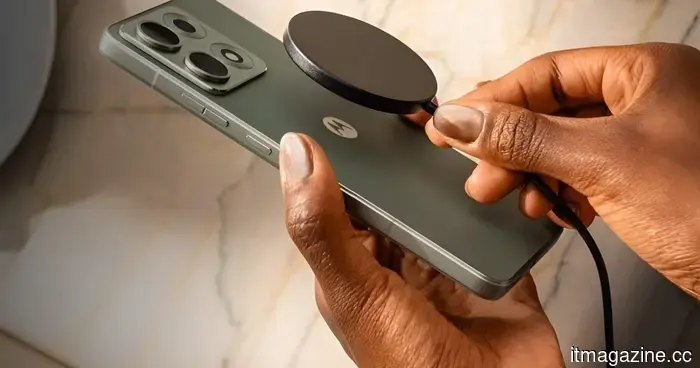 Motorola's upcoming Edge smartphone may bring a more affordable MagSafe experience to Android compared to what Google offered.
The Motorola Edge 70 Max has been spotted with Qi2.2.1 certification, suggesting it includes built-in magnets, supports 25W wireless charging, and is compatible with Android accessories similar to MagSafe.
Motorola's upcoming Edge smartphone may bring a more affordable MagSafe experience to Android compared to what Google offered.
The Motorola Edge 70 Max has been spotted with Qi2.2.1 certification, suggesting it includes built-in magnets, supports 25W wireless charging, and is compatible with Android accessories similar to MagSafe.
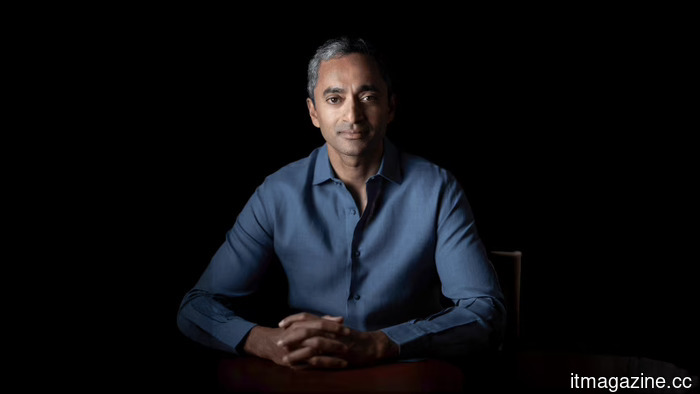 Chamath's AI coding startup, 8090, has secured $135 million in funding.
Chamath Palihapitiya has secured $135 million, with Salesforce leading the investment, for his AI coding startup, 8090, and is taking on the role of CEO for the first time since his tenure at Facebook.
Chamath's AI coding startup, 8090, has secured $135 million in funding.
Chamath Palihapitiya has secured $135 million, with Salesforce leading the investment, for his AI coding startup, 8090, and is taking on the role of CEO for the first time since his tenure at Facebook.
 The Overlooked Essential of Enterprise AI: The Importance of Content Governance Could Surpass the Next Major AI Advancement.
Rob Hanna, the CEO of Precision Content, contends that the failures of enterprise AI can be attributed to poorly managed documentation rather than inadequate models, and that the teams responsible for technical publications possess the crucial element needed to address this issue.
The Overlooked Essential of Enterprise AI: The Importance of Content Governance Could Surpass the Next Major AI Advancement.
Rob Hanna, the CEO of Precision Content, contends that the failures of enterprise AI can be attributed to poorly managed documentation rather than inadequate models, and that the teams responsible for technical publications possess the crucial element needed to address this issue.
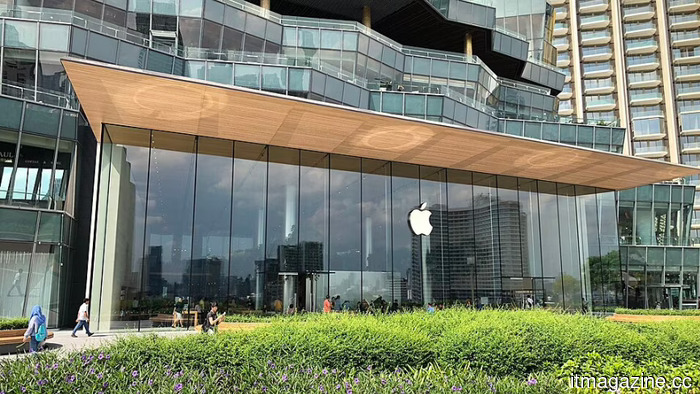 The Supreme Court is set to hear Apple's appeal regarding the contempt ruling related to the App Store in the Epic case.
The Supreme Court has decided to examine lower court decisions that determined Apple intentionally violated a 2021 ruling regarding App Store fees in its dispute with Epic Games.
The Supreme Court is set to hear Apple's appeal regarding the contempt ruling related to the App Store in the Epic case.
The Supreme Court has decided to examine lower court decisions that determined Apple intentionally violated a 2021 ruling regarding App Store fees in its dispute with Epic Games.
 Red Magic has introduced a new OLED gaming tablet that showcases liquid cooling technology.
The Red Magic Gaming Tablet 5 Pro has been introduced in China featuring a 185Hz OLED screen, active liquid cooling, dual USB-C ports, and is set for a worldwide release as the Astra 2.
Red Magic has introduced a new OLED gaming tablet that showcases liquid cooling technology.
The Red Magic Gaming Tablet 5 Pro has been introduced in China featuring a 185Hz OLED screen, active liquid cooling, dual USB-C ports, and is set for a worldwide release as the Astra 2.
Samsung is set to release a new Galaxy Ring that may feature some innovative health functionalities.
Samsung is developing a new Galaxy Ring, and the key improvement might stem from the processes that follow the ring’s collection of health signals in the background. Hon Pak, the head of Samsung’s digital health team, mentioned to Forbes that a next-generation ring is currently in the works. However, Samsung has not revealed the name, expected launch date, pricing, regions, or […]