

Eight months following Australia's ban, the percentage of teenagers using TikTok has decreased by one point.
Eight months into the world's first ban on social media for those under 16, 26% of Australian children aged 13 to 15 continue to use TikTok, just one percentage point lower than before the law was implemented. This data, sourced from parental control software company Qustodio, highlights a trend already apparent in enforcement records: the ban has not been followed as the legislation intended.
The nature of the recovery is what makes the data noteworthy. Usage dropped significantly when the law was enacted, but quickly began to rise again, indicating a workaround rather than a genuine change in behavior. Yasmin London, Qustodio’s global online safety expert, noted, “We saw an immediate drop initially, but gradually the numbers have started to increase again.” Instagram and Snapchat, while lower in usage, display a similar trend.
A particularly concerning finding is that TikTok usage among children aged 10 to 12 is now higher than it was pre-ban, a demographic that the law aimed to protect and which should ideally not be on the platform at all.
The methods children are using to bypass the ban are not complicated. Common tactics include providing false ages, using VPNs, and navigating insufficient age verification systems that fail to catch determined 14-year-olds, as early tests in Australia revealed deficiencies in age checks.
WhatsApp, which is not included in the ban, saw its usage among 13- to 15-year-olds increase from 27% to 36%, indicating that some of the displaced activity has simply migrated to a platform not affected by the legislation. This outcome is predictable given that the restrictions are based on platform type instead of user behavior. An exempt messaging app becomes more appealing precisely because it is not covered by the ban, regardless of activity levels within it.
None of this determines whether the policy itself was a mistake, but rather if this implementation is effective. A rule that lacks enforcement speaks more to flaws in enforcement design than to the appropriateness of under-16s being on these platforms.
In June, the Australian government acknowledged the lack of compliance and stated it would increase maximum penalties to A$99 million while enhancing enforcement powers. However, no platform has faced fines yet, which is a significant point.
A framework with penalties that are not utilized becomes manageable for companies. Eight months of non-compliance without financial repercussions establishes a clear expectation regarding the cost of ignoring the law.
The platforms face their own motivations against compliance, as losing a teenage user means losing a customer for years rather than just months. Meta has suggested that age checks should be placed at the app store level instead of on each platform, shifting the responsibility elsewhere.
These findings are significant beyond Australia, as many governments are closely observing the results. New Zealand has put forth its own under-16 bill, Norway has been preparing its own, and the EU is developing age verification systems based on the assumption that this method is effective.
It’s important to note a limitation of Qustodio’s data: it is collected from devices using parental control software, which does not represent a random sample of Australian children and may skew toward households already committed to monitoring, making the direction of the trend more reliable than the exact percentages.
There’s also an interpretation of the data that is less severe than it appears. Eight months is a brief period for a behavioral intervention, enforcement powers are only now being enhanced, and a policy that has not yet been subjected to an actual fine has not truly been tested.
However, even considering these points, the trend is not what the policy required. A ban that results in only a one-point decrease in the intended behavior after eight months does not clearly signify a ban, and the government’s current drafting of similar policies now benefits from eight months of evidence that was unavailable at the outset.
Other articles
 SpaceX is investing $100 billion in establishing a second Starbase on a former Exxon site in Louisiana.
SpaceX plans to construct a $100 billion Starship spaceport in Vermilion Parish, Louisiana, starting construction in 2027, with a goal of its first launch in 2029.
SpaceX is investing $100 billion in establishing a second Starbase on a former Exxon site in Louisiana.
SpaceX plans to construct a $100 billion Starship spaceport in Vermilion Parish, Louisiana, starting construction in 2027, with a goal of its first launch in 2029.
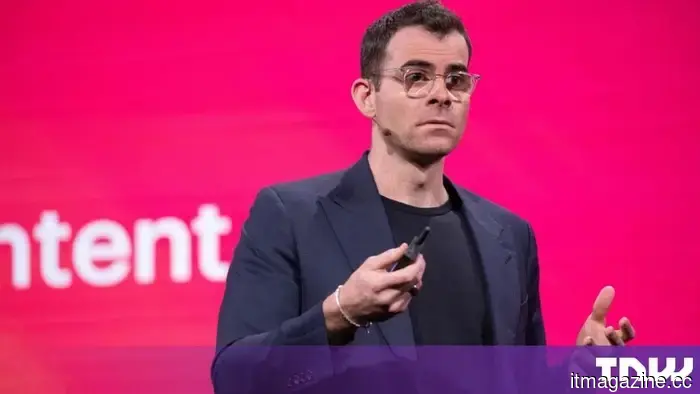 Adam Mosseri stated that Instagram's Take a Break feature was not as effective as anticipated.
Adam Mosseri stated that Instagram's Take a Break feature was less effective than anticipated, as documents revealed that only 1.8% of teenagers utilized it.
Adam Mosseri stated that Instagram's Take a Break feature was not as effective as anticipated.
Adam Mosseri stated that Instagram's Take a Break feature was less effective than anticipated, as documents revealed that only 1.8% of teenagers utilized it.
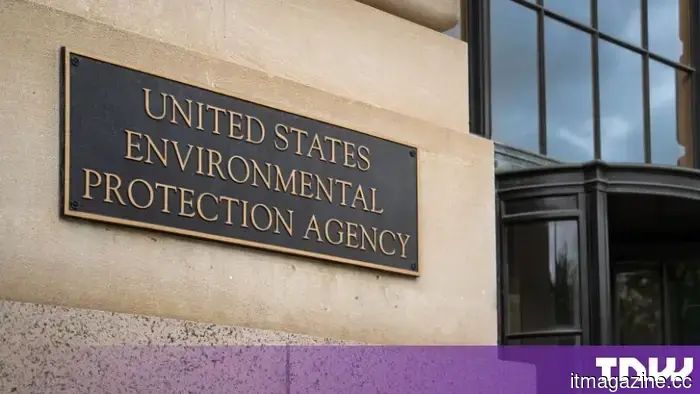 The EPA aims to make the disclosure of data center pollution voluntary.
A suggested rule from the EPA would allow for voluntary public disclosure of air pollution from minor sources, focusing on diesel generators located near data centers.
The EPA aims to make the disclosure of data center pollution voluntary.
A suggested rule from the EPA would allow for voluntary public disclosure of air pollution from minor sources, focusing on diesel generators located near data centers.
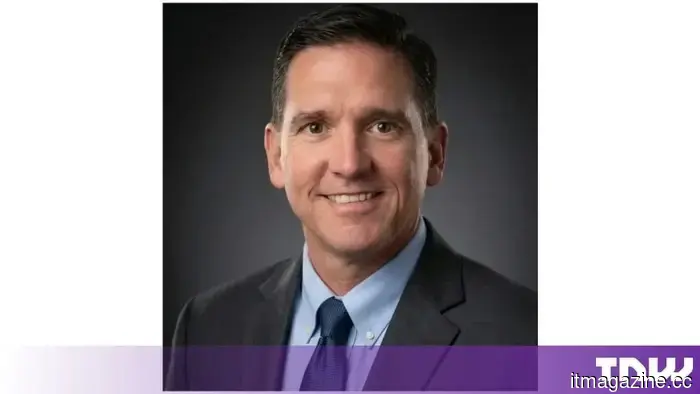 AI will not revolutionize healthcare until we address the issue of information overload.
Seventy percent of healthcare professionals believe that AI is being implemented more quickly than organizations can effectively utilize it. Doug Benoit, CEO of FacialDx, argues that the primary limitation in healthcare is now attention, rather than information.
AI will not revolutionize healthcare until we address the issue of information overload.
Seventy percent of healthcare professionals believe that AI is being implemented more quickly than organizations can effectively utilize it. Doug Benoit, CEO of FacialDx, argues that the primary limitation in healthcare is now attention, rather than information.
 Meta is in discussions for a settlement with the states while the jury is still in session.
According to Bloomberg, Meta and state attorneys general have been in discussions about potentially settling the youth social media harm case while the trial is ongoing.
Spain requires data centres to operate on 80% renewable energy every hour, or they will not be granted a grid connection.
Un borrador de decreto español exigiría a los centros de datos con una capacidad superior a 1 MW que obtengan un 80% de energía renovable de forma horaria y que mantengan los datos dentro de la UE.
Meta is in discussions for a settlement with the states while the jury is still in session.
According to Bloomberg, Meta and state attorneys general have been in discussions about potentially settling the youth social media harm case while the trial is ongoing.
Spain requires data centres to operate on 80% renewable energy every hour, or they will not be granted a grid connection.
Un borrador de decreto español exigiría a los centros de datos con una capacidad superior a 1 MW que obtengan un 80% de energía renovable de forma horaria y que mantengan los datos dentro de la UE.
Eight months following Australia's ban, the percentage of teenagers using TikTok has decreased by one point.
Data from Qustodio reveals that 26% of Australian teens aged 13 to 15 continue to use TikTok, just one point below the levels observed before the ban, eight months after the implementation of the under-16 ban.