
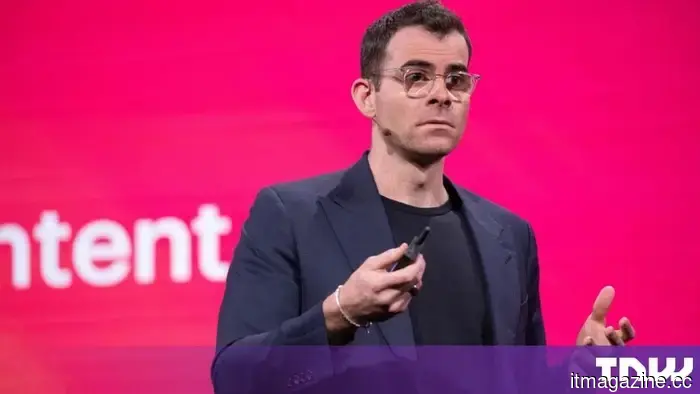
Adam Mosseri stated that Instagram's Take a Break feature was not as effective as anticipated.
Adam Mosseri, who has led Instagram since 2018, testified before a federal jury in Oakland that the app’s “Take a Break” feature “helped, but not nearly as much as we had hoped,” citing internal documents that indicated only 1.8% of teenagers used it. A public blog post by Meta at that time claimed that over 90% of users who activated the feature kept it enabled, a perspective that has now been scrutinized in a trial where the numbers being debated reach into the trillions.
These two statistics are not contradictory, which is exactly the issue. One statistic reflects retention among the small group that used the feature, while the other indicates the total number of teenagers who ever used it, and only one of these figures was mentioned in the blog post.
Under cross-examination, Mosseri admitted that Meta never revealed the low adoption rate to parents or the public, a revelation that plaintiffs can leverage for closing arguments. The case is brought by the attorneys general of California, Colorado, Kentucky, and New Jersey, part of the 29 states pursuing legal action against Meta regarding youth harm, and they are seeking around $200 billion. Jury selection commenced on August 12, and the trial is expected to last about five more weeks.
Colorado’s attorney Jason Slothouber focused on the timing rather than the design of the feature. Meta withheld effectiveness data even after facing a lawsuit in 2023 and only made “Take a Break” the default setting for teen accounts in late 2024, well after the litigation began. This timeline forms the crux of the states' case. They argue that while Meta did create safety features, they discovered they were ineffective, kept this information under wraps, and only released an effective version under legal pressure.
One exchange involved how much data Mosseri was shown, questioning whether his lawyers had limited it. He acknowledged, "A lawyer would be a less qualified designer than a product designer," which significantly impacts the case regarding the company's knowledge on the subject.
What's most damaging about this exchange is not simply that a feature failed—products often do—but that a company which releases a wellbeing tool and learns that it is rarely used has gained valuable insight, assuming they acknowledge it.
Mosseri is a particularly significant witness, having been a public representative of Instagram's efforts regarding teen safety for years, including providing testimony to Congress. The states have utilized earlier witnesses to assert that the issue is cultural rather than technical.
Instagram has introduced various changes since then, including teen accounts with default restrictions and parental monitoring tools. The states contend that the timing of these releases aligns more closely with the litigation schedule than with research findings.
Meta's defense has remained consistent, asserting that social media addiction is not a recognized clinical disorder, emphasizing its substantial investments in teen safety, and arguing that the plaintiffs' damages claims do not correlate with any demonstrable harm. Mosseri seemed to maintain this viewpoint regarding the clinical issue, differentiating problematic use from addiction as defined in the medical field. Whether the jury considers this distinction significant may differ from psychiatric perspectives.
The jury is also tasked with evaluating a complicated question that courts typically struggle to address: whether a design choice causes harm on a population scale. Evidence concerning this issue has been contested continuously, with both sides presenting their own researchers.
This trial is just one of several legal challenges for Meta, which is also facing a jury in Tennessee regarding Instagram’s addictive design, and a federal appeals court recently rejected a request to pause the Oakland proceedings just days before jury selection began.
Mosseri’s testimony will resume on Wednesday. The 1.8% figure is now part of the official record and is the type of data likely to have enduring implications beyond this trial.
Other articles
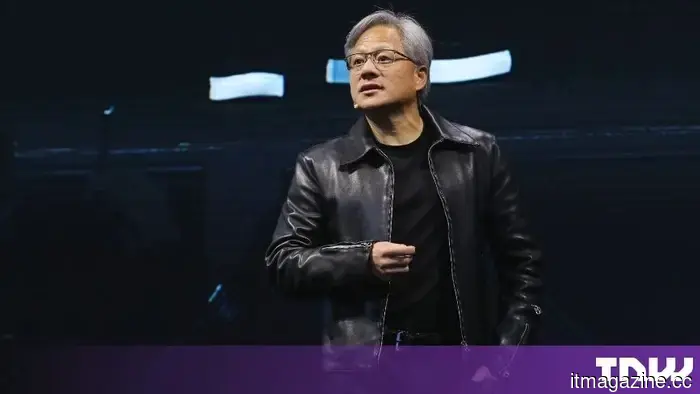 Nvidia is on the verge of announcing its quickest growth in seven quarters.
Analysts anticipate that Nvidia's revenue will almost double to $92 billion, with a focus on the Rubin ramp and $500 billion in customer financing.
Nvidia is on the verge of announcing its quickest growth in seven quarters.
Analysts anticipate that Nvidia's revenue will almost double to $92 billion, with a focus on the Rubin ramp and $500 billion in customer financing.
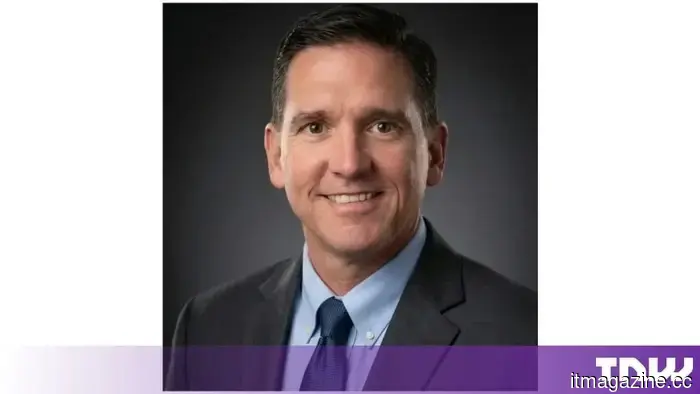 AI will not revolutionize healthcare until we address the issue of information overload.
Seventy percent of healthcare professionals believe that AI is being implemented more quickly than organizations can effectively utilize it. Doug Benoit, CEO of FacialDx, argues that the primary limitation in healthcare is now attention, rather than information.
AI will not revolutionize healthcare until we address the issue of information overload.
Seventy percent of healthcare professionals believe that AI is being implemented more quickly than organizations can effectively utilize it. Doug Benoit, CEO of FacialDx, argues that the primary limitation in healthcare is now attention, rather than information.
 Spain requires data centres to source 80% of their energy from renewable sources on an hourly basis, or they will not be granted a grid connection.
A proposed Spanish decree would mandate that data centers with a capacity over 1MW obtain 80% of their energy from renewable sources on an hourly basis and store data within the EU.
Spain requires data centres to source 80% of their energy from renewable sources on an hourly basis, or they will not be granted a grid connection.
A proposed Spanish decree would mandate that data centers with a capacity over 1MW obtain 80% of their energy from renewable sources on an hourly basis and store data within the EU.
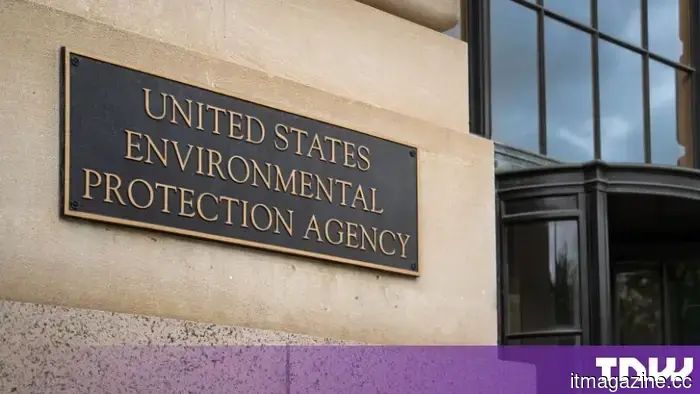 The EPA aims to make the disclosure of data center pollution voluntary.
A suggested rule from the EPA would allow for voluntary public disclosure of air pollution from minor sources, focusing on diesel generators located near data centers.
The EPA aims to make the disclosure of data center pollution voluntary.
A suggested rule from the EPA would allow for voluntary public disclosure of air pollution from minor sources, focusing on diesel generators located near data centers.
 Eight months following Australia's ban, the percentage of teenagers using TikTok has decreased by one point.
Data from Qustodio reveals that 26% of Australian teens aged 13 to 15 continue to use TikTok, just one point below the levels observed before the ban, eight months after the implementation of the under-16 ban.
Spain requires data centres to operate on 80% renewable energy every hour, or they will not be granted a grid connection.
Un borrador de decreto español exigiría a los centros de datos con una capacidad superior a 1 MW que obtengan un 80% de energía renovable de forma horaria y que mantengan los datos dentro de la UE.
Eight months following Australia's ban, the percentage of teenagers using TikTok has decreased by one point.
Data from Qustodio reveals that 26% of Australian teens aged 13 to 15 continue to use TikTok, just one point below the levels observed before the ban, eight months after the implementation of the under-16 ban.
Spain requires data centres to operate on 80% renewable energy every hour, or they will not be granted a grid connection.
Un borrador de decreto español exigiría a los centros de datos con una capacidad superior a 1 MW que obtengan un 80% de energía renovable de forma horaria y que mantengan los datos dentro de la UE.
Adam Mosseri stated that Instagram's Take a Break feature was not as effective as anticipated.
Adam Mosseri stated that Instagram's Take a Break feature was less effective than anticipated, as documents revealed that only 1.8% of teenagers utilized it.