
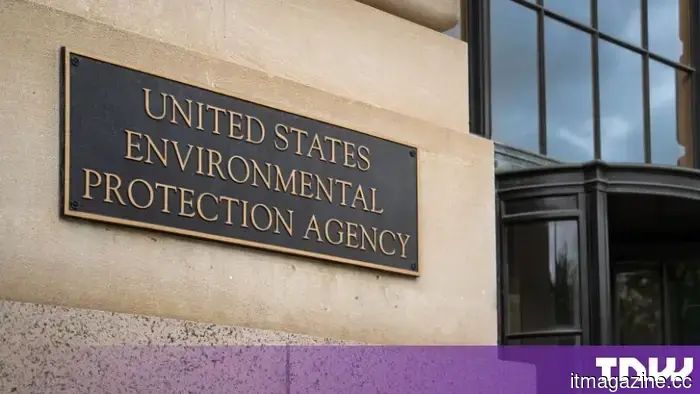
The EPA aims to make the disclosure of data center pollution voluntary.
The U.S. Environmental Protection Agency has suggested that public disclosure of air pollution from minor sources be made voluntary instead of mandatory, impacting the diesel generators located near data centers. This proposal aligns with previous exemptions granted by the administration, which earlier this year relieved data centers and rockets from certain aspects of environmental law.
Currently, under the Clean Air Act, facilities identified as minor polluters are required to share their emissions with the public via state agencies. The new proposal would shift this responsibility to state and local officials.
Understanding how data centers qualify as minor sources is crucial. Operators often split permits among individual generators or turbines, ensuring that no single unit exceeds the threshold that would necessitate a more stringent federal review, even when many units are situated on a single campus.
A case in point is Northern Virginia, which is home to about 10,500 diesel generators at data centers with a combined capacity nearing 27 gigawatts—essentially a collection of fossil fuel generators that have never received permits as a power plant.
According to Sierra Club analysis, Amazon’s permits for minor sources in Northern Virginia alone allow backup generators to emit up to 4,200 tons of nitrogen oxides annually, a figure comparable to that of a mid-sized coal plant. These permits are valid because each unit is evaluated independently.
The primary concern centers on nitrogen oxides, as they contribute to ground-level ozone, and emissions also include carbon monoxide and heavy metals. Collectively, these facilities generate all six criteria pollutants linked by the EPA to asthma, heart disease, and cancer.
“Every person in this country deserves clean air, and the EPA’s plan paves the way for communities worried about pollution to be ignored,” stated Jeremy Fisher, a senior advisor at the Sierra Club.
The main practical concern is that without disclosure, residents cannot ascertain what pollutants they are inhaling, complicating both legal actions and local initiatives.
Joe Goffman, a former EPA assistant administrator, expressed this change more bluntly, stating that the message to communities is that “what you thought was a solid promise is no longer secure.”
Disclosure plays a more significant role than it seems. Minor-source permits are seldom contested at issuance due to their individual minimal impact, meaning the public record created afterwards is often the only means to construct a comprehensive view across multiple sites.
Under Administrator Lee Zeldin, the EPA has launched a dedicated Clean Air Act resource page for data center developers, aiming to position the United States as the AI capital of the world, along with guidance on backup generators, a July clarification regarding islanded generators and the Acid Rain Program, and a proposed change in the definition of when construction begins.
The regulatory actions were announced on July 8, a public hearing occurred on July 22, and the comment period ended on August 21. The next steps will involve a decision rather than a consultation process.
The contrast with Europe is significant. Brussels has been urging Big Tech to align data centers with climate objectives or face exclusion; Denmark has halted grid connections, and Spain is crafting regulations to make grid access contingent on real-time renewable energy matching.
Europe's approach is not necessarily superior, but differs in focus. Its limitations have been predominantly around electricity and increasingly water, while the U.S. constraint primarily concerns local air quality, largely because American facilities rely heavily on diesel generation to fill in gaps in the grid.
This difference is why this rule has implications beyond the directly affected states. Backup generation facilitates quicker data center construction than the grid can support, and making disclosure optional undermines the main way for those downstream to learn about emissions.
Other articles
 Japan aims for stock and bond settlements to occur instantly using blockchain technology.
Japan's Financial Services Agency, the finance ministry, and the central bank are examining blockchain technology for the immediate settlement of stocks and government bonds.
Japan aims for stock and bond settlements to occur instantly using blockchain technology.
Japan's Financial Services Agency, the finance ministry, and the central bank are examining blockchain technology for the immediate settlement of stocks and government bonds.
 Eight months following Australia's ban, the percentage of teenagers using TikTok has decreased by one point.
Data from Qustodio reveals that 26% of Australian teens aged 13 to 15 continue to use TikTok, just one point below the levels observed before the ban, eight months after the implementation of the under-16 ban.
Eight months following Australia's ban, the percentage of teenagers using TikTok has decreased by one point.
Data from Qustodio reveals that 26% of Australian teens aged 13 to 15 continue to use TikTok, just one point below the levels observed before the ban, eight months after the implementation of the under-16 ban.
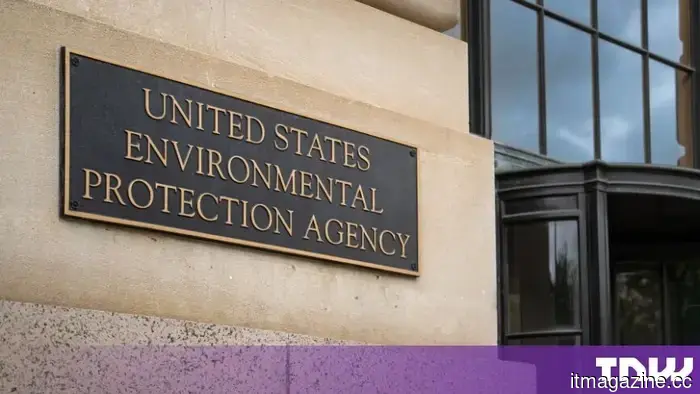 Bill Gates suggests the creation of 'Human Reserved' positions and the implementation of a tax on AI tokens.
Bill Gates has suggested the creation of 'Human Reserved' jobs that would be safeguarded from AI, specifically mentioning roles such as childcare and jury duty, in addition to implementing taxes on AI tokens and robots.
Bill Gates suggests the creation of 'Human Reserved' positions and the implementation of a tax on AI tokens.
Bill Gates has suggested the creation of 'Human Reserved' jobs that would be safeguarded from AI, specifically mentioning roles such as childcare and jury duty, in addition to implementing taxes on AI tokens and robots.
 Game of Thrones: War for Westeros places the destiny of the Iron Throne in your control.
PlaySide Studios unveiled the initial gameplay trailer for Game of Thrones: War for Westeros at Gamescom 2026. This officially licensed real-time strategy game is set to launch on PC through Steam in early 2027.
Game of Thrones: War for Westeros places the destiny of the Iron Throne in your control.
PlaySide Studios unveiled the initial gameplay trailer for Game of Thrones: War for Westeros at Gamescom 2026. This officially licensed real-time strategy game is set to launch on PC through Steam in early 2027.
 Deloitte will pay $21.5 million to resolve a Department of Justice investigation regarding its diversity goals.
Deloitte has consented to pay $21.5 million to resolve a DOJ investigation into its DEI practices, without acknowledging any wrongdoing, as part of the Civil Rights Fraud Initiative.
Deloitte will pay $21.5 million to resolve a Department of Justice investigation regarding its diversity goals.
Deloitte has consented to pay $21.5 million to resolve a DOJ investigation into its DEI practices, without acknowledging any wrongdoing, as part of the Civil Rights Fraud Initiative.
 Nvidia is on the verge of announcing its quickest growth in seven quarters.
Analysts anticipate that Nvidia's revenue will almost double to $92 billion, with a focus on the Rubin ramp and $500 billion in customer financing.
Nvidia is on the verge of announcing its quickest growth in seven quarters.
Analysts anticipate that Nvidia's revenue will almost double to $92 billion, with a focus on the Rubin ramp and $500 billion in customer financing.
The EPA aims to make the disclosure of data center pollution voluntary.
A suggested rule from the EPA would allow for voluntary public disclosure of air pollution from minor sources, focusing on diesel generators located near data centers.