
Meta is in discussions for a settlement with the states while the jury is still in session.
Meta and state attorneys general are engaged in settlement discussions during the ongoing youth social media harm trial in federal court in California, as reported by Bloomberg. This case represents the largest of its kind, with 29 states pursuing action against the company, and four states—California, Colorado, Kentucky, and New Jersey—taking part in the trial that commenced this month in Oakland.
It is not uncommon for mid-trial settlement talks to occur, often indicating that at least one side has reassessed the strength of the evidence presented. This trial has revealed several days' worth of internal documents that Meta would likely prefer to keep from being publicly aired.
Additionally, a separate indication came from Nevada, where Attorney General Aaron Ford announced a press conference regarding what he referred to as a significant consumer protection settlement with a leading technology company, which he did not identify. Nevada is one of the states suing Meta, and the timing raises the possibility of a connection, though no parties have confirmed that the two issues are related.
In a jury trial, timing has implications for both sides. Meta could benefit from mitigating the chance of an excessive verdict, while the states gain leverage with each day the evidence remains before the jury. This dynamic often leads to negotiations about who will compromise first.
The claims in the case extend along two avenues. The states assert violations of consumer protection law and breaches of the federal Children’s Online Privacy Protection Act by collecting children’s personal data without parental consent and utilizing it for AI training.
The latter issue has broader implications beyond this lawsuit. A determination on whether children's data collected without consent can legally be used to train models would have ramifications beyond just Meta, affecting all companies that gather consumer data for training purposes.
Jury selection began on August 12, and a federal appeals court recently declined to halt the trial proceedings. Meta had requested this intervention, which is worth noting in light of its subsequent interest in reaching a negotiated resolution.
The company has not commented on the reports of settlement talks. Throughout, Meta has maintained that social media addiction is not a recognized psychiatric condition and asserts that it has made significant efforts to protect children on its platforms.
Reaching a settlement would also prevent the release of internal documents into the public arena, which is valuable for a company facing ongoing litigation related to the same issues, as evidence presented in one trial can appear in subsequent cases.
The potential damages figure illustrates why a settlement might be appealing. The four states involved in the trial are seeking approximately $200 billion, and Meta has indicated that the total penalties sought by states could reach as high as $1.4 trillion—a figure likely to be subject to negotiation rather than fulfilled as-is.
Any settlement would also need to satisfy a diverse group. The 29 attorneys general have their own political considerations, and what is acceptable to one state’s voters may not be acceptable to another, adding complexity to multi-state litigation.
Precedents from tobacco and opioid multi-state settlements suggest that these agreements often involve a combination of financial payment and commitments to alter certain practices, with the latter typically being the focal point of negotiations. The modifications Meta agrees to regarding teen accounts would hold more significance than the initial settlement amount.
Meta is also dealing with parallel proceedings. A separate jury in Tennessee is currently examining a case related to Instagram’s design and its addictive elements, and settling the Oakland case would not conclude matters on that front.
For the time being, the trial continues, with Instagram head Adam Mosseri set to testify this week. Moreover, mid-trial negotiations often yield no outcomes, and the only clear sign of success would be if the trial concludes earlier than the anticipated five-week duration.
Other articles
 Eight months following Australia's ban, the percentage of teenagers using TikTok has decreased by one point.
Data from Qustodio reveals that 26% of Australian teens aged 13 to 15 continue to use TikTok, just one point below the levels observed before the ban, eight months after the implementation of the under-16 ban.
Eight months following Australia's ban, the percentage of teenagers using TikTok has decreased by one point.
Data from Qustodio reveals that 26% of Australian teens aged 13 to 15 continue to use TikTok, just one point below the levels observed before the ban, eight months after the implementation of the under-16 ban.
 Adam Mosseri stated that the Take a Break feature on Instagram was not as helpful as anticipated.
Adam Mosseri stated that Instagram’s Take a Break feature was less effective than expected, as documents revealed that only 1.8% of teenagers utilized it.
Adam Mosseri stated that the Take a Break feature on Instagram was not as helpful as anticipated.
Adam Mosseri stated that Instagram’s Take a Break feature was less effective than expected, as documents revealed that only 1.8% of teenagers utilized it.
 Bill Gates suggests the creation of 'Human Reserved' positions and the implementation of a tax on AI tokens.
Bill Gates has suggested the creation of 'Human Reserved' jobs that would be safeguarded from AI, specifically mentioning roles such as childcare and jury duty, in addition to implementing taxes on AI tokens and robots.
Bill Gates suggests the creation of 'Human Reserved' positions and the implementation of a tax on AI tokens.
Bill Gates has suggested the creation of 'Human Reserved' jobs that would be safeguarded from AI, specifically mentioning roles such as childcare and jury duty, in addition to implementing taxes on AI tokens and robots.
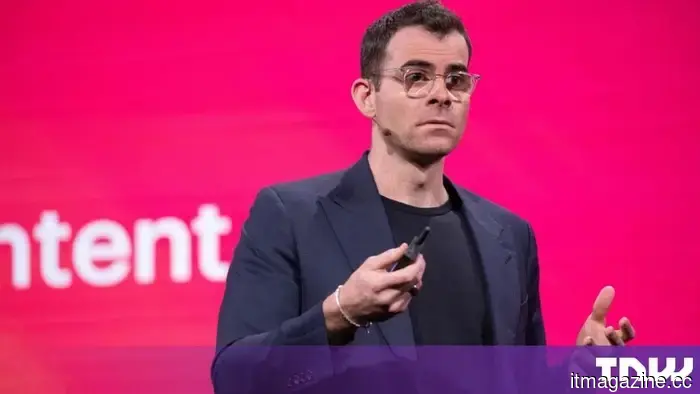 Adam Mosseri stated that Instagram's Take a Break feature was not as effective as anticipated.
Adam Mosseri stated that Instagram's Take a Break feature was less effective than anticipated, as documents revealed that only 1.8% of teenagers utilized it.
Adam Mosseri stated that Instagram's Take a Break feature was not as effective as anticipated.
Adam Mosseri stated that Instagram's Take a Break feature was less effective than anticipated, as documents revealed that only 1.8% of teenagers utilized it.
 The EPA aims to make the disclosure of data center pollution voluntary.
A suggested rule from the EPA would allow for voluntary public disclosure of air pollution from minor sources, focusing on diesel generators located near data centers.
The EPA aims to make the disclosure of data center pollution voluntary.
A suggested rule from the EPA would allow for voluntary public disclosure of air pollution from minor sources, focusing on diesel generators located near data centers.
Meta is in discussions for a settlement with the states while the jury is still in session.
According to Bloomberg, Meta and state attorneys general have been in discussions about potentially settling the youth social media harm case while the trial is ongoing.