
YouTube initiates direct funding for shows to prevent creators from licensing their content to Netflix.
YouTube is reportedly presenting multi-million-dollar deals to some of its most prominent creators in an effort to keep their content off Netflix, as first reported by Bloomberg. Several agreements are said to be nearing completion, although none have been finalized yet.
The offers are said to come in three varieties: direct funding for a creator’s productions, a share of the brand deals that YouTube negotiates with advertisers across the platform, and upfront payments. In return, YouTube seeks exclusive windows during which the content remains solely on its platform.
This marks a shift for a company that has relied on a revenue-sharing model with creators for the past two decades, with minimal additional offerings. The individualized funding resembles studio commissions rather than typical platform payouts, placing YouTube in a position where it can choose which creators receive financial backing.
The potential downside has garnered attention. Creators who accept funding from Netflix alongside a YouTube deal may risk losing access to YouTube's promotional support, significant events, and a share of platform-wide brand campaigns, which are promotional tools that are not reflected on any invoice.
Neither YouTube nor Netflix has publicly addressed the terms, and the reports are based on sources familiar with the negotiations rather than official documents. Notably, YouTube has not requested complete exclusivity, only a period of it.
In contrast, Netflix has been pursuing a non-exclusive model with YouTube creators, allowing them to retain their channels, ad revenue, sponsorships, and merchandise while Netflix pays for the rights to distribute their content library.
This approach has proven effective. When faced with a choice between platforms, creators are likely to prefer the one that helped them gain their audience, but those offered a second paycheck for content they would produce regardless have little reason to decline.
Over the past 18 months, several prominent names have joined Netflix, including Ms. Rachel in early 2025, Mark Rober in August, the Stokes Twins in July, and deals with the Sidemen, Rhett & Link, Jordan Matter, and Nick DiGiovanni, as well as podcast properties like The Bill Simmons Podcast and The Breakfast Club.
Netflix has also invested heavily in podcasts, including a $100 million deal that brought Jay Shetty to Spotify. The trend is clear: acquire the audience through licensing rather than employing the talent directly.
Netflix claims this strategy is effective, noting that Ms. Rachel’s videos amassed 126 million views on the platform in a single reporting period, a significant figure for content that remained free on YouTube simultaneously.
This situation is not due to YouTube’s decline. YouTube’s total revenue exceeded $60 billion in 2025, surpassing Netflix's earnings for the same year, and the platform claims to have paid creators over $100 billion in the past four years.
What’s truly at stake is viewer attention rather than revenue, particularly the argument to advertisers that YouTube is where specific audiences can be reached. Having a show also available on Netflix diminishes that claim, even if the YouTube version retains all its views.
YouTube has also been tightening its standards recently, having doubled the entry requirements for its Partner Program. Both platforms seem to be converging on a similar strategy: to offer more to fewer creators, while X has adopted a different approach by ending broad revenue sharing in favor of compensating only for original work.
There is a historical precedent for the implications of exclusivity in the music industry, which in the 2000s learned that exclusive windows are costly, hard to manage, and often disliked by audiences, in that order.
As of now, neither YouTube nor Netflix has confirmed any of the terms discussed this week. The key test will be whether a creator that qualifies for both offers finds that a period of exclusivity is more valuable than accepting funding from two different platforms.
Other articles
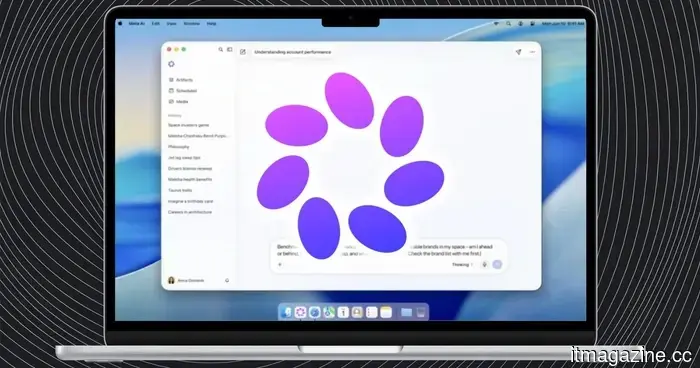 Meta's AI assistant has finally arrived on Mac, but it needs to catch up in several areas.
Meta has introduced a specialized AI assistant application for Mac that is capable of analyzing shared windows, providing dictation across various applications, and assisting with creative and productivity-related tasks.
Meta's AI assistant has finally arrived on Mac, but it needs to catch up in several areas.
Meta has introduced a specialized AI assistant application for Mac that is capable of analyzing shared windows, providing dictation across various applications, and assisting with creative and productivity-related tasks.
 Google has upgraded Gemini Live with its own Deep Research enhancements.
Gemini Live can now initiate Deep Research reports using voice commands, operate on them in the background, and allow you to discuss the results once they are prepared.
Google has upgraded Gemini Live with its own Deep Research enhancements.
Gemini Live can now initiate Deep Research reports using voice commands, operate on them in the background, and allow you to discuss the results once they are prepared.
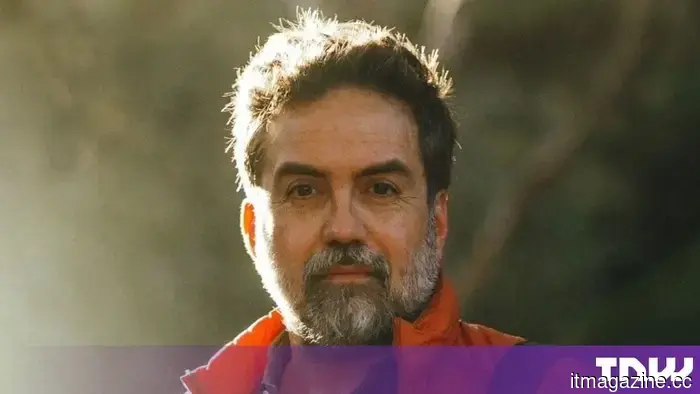 The initial witness for Meta informed the jury that the issue stemmed from Mark Zuckerberg's culture.
Arturo Béjar, a former engineer at Meta, informed an Oakland jury that the company's culture rendered safety improvements unfeasible, during a trial initiated by four states.
The initial witness for Meta informed the jury that the issue stemmed from Mark Zuckerberg's culture.
Arturo Béjar, a former engineer at Meta, informed an Oakland jury that the company's culture rendered safety improvements unfeasible, during a trial initiated by four states.
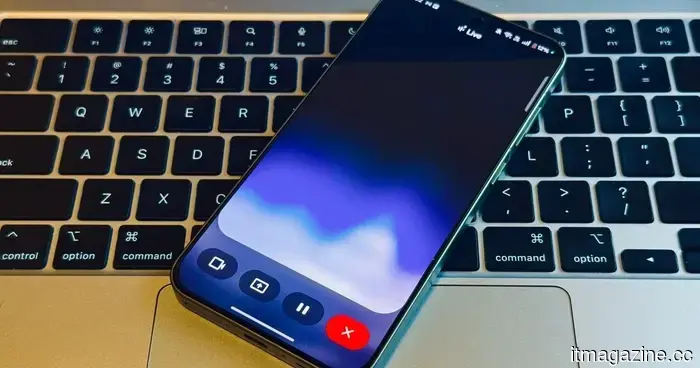 Google provides Gemini Live with an upgrade focused on Deep Research.
Gemini Live can now initiate Deep Research reports using voice commands, process them in the background, and allow you to discuss the results when they are completed.
Google provides Gemini Live with an upgrade focused on Deep Research.
Gemini Live can now initiate Deep Research reports using voice commands, process them in the background, and allow you to discuss the results when they are completed.
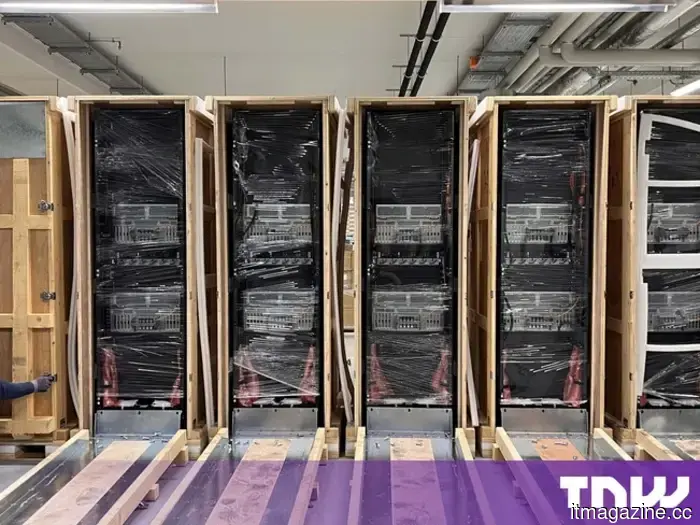 A $1.3 billion loan will assist in constructing a data center for Anthropic in Texas.
Eagle Point is providing approximately $1.3 billion in financing for a 2,900-acre data center in Texas, which is supported by Anthropic, as part of a $16 billion arrangement with Google backing the senior debt.
A $1.3 billion loan will assist in constructing a data center for Anthropic in Texas.
Eagle Point is providing approximately $1.3 billion in financing for a 2,900-acre data center in Texas, which is supported by Anthropic, as part of a $16 billion arrangement with Google backing the senior debt.
 You'll need to wait until 2027 for the AirPods with integrated cameras that were leaked.
Apple's AirPods with built-in cameras are still expected to launch in 2027, even after a leaked macOS video revealed the AI-driven earbuds utilizing Visual Intelligence.
You'll need to wait until 2027 for the AirPods with integrated cameras that were leaked.
Apple's AirPods with built-in cameras are still expected to launch in 2027, even after a leaked macOS video revealed the AI-driven earbuds utilizing Visual Intelligence.
YouTube initiates direct funding for shows to prevent creators from licensing their content to Netflix.
According to reports, YouTube is providing leading creators with financing for shows, shares from brand deals, and payments for exclusive rights, while Netflix is licensing their content non-exclusively.