

Revolut is willing to allow Nik Storonsky to borrow $250 million using his own shares as collateral.
Revolut has requested its shareholders to approve Nik Storonsky borrowing up to $250 million against his equity in the company, which is five times the current limitations. This proposal was presented to investors last week as part of a governance initiative referred to as Project Shasta.
Storonsky holds approximately 29% of Europe's most valuable private tech firm, which achieved a valuation of $115 billion in an employee secondary share sale last month, according to a source familiar with the situation. The paper value of his stake is around $33 billion, but he cannot access this amount unless he sells shares or secures loans against them.
He has yet to utilize borrowing on a significant scale. Currently, Revolut's articles of association impose a cap of $50 million on the CEO's borrowing against his shares—a limit that was established when the company was worth considerably less than it is now.
The rules underlying this cap are notably specific. Any employee owning more than 20% of ordinary shares can pledge 10% of their holdings as collateral for a loan without board consent, and an additional 5% with majority director support. Storonsky is the only individual at Revolut who meets the 20% criterion.
The new articles, outlined in documents reviewed by the Financial Times, would raise the borrowing limit to $250 million, eliminate the restrictions on the proportion of the stake that can be pledged, and expand the types of shares that can be used as collateral. Additionally, it would remove the requirement for board approval for larger pledges.
Revolut stated that it routinely revises its articles to ensure that its "corporate governance and administrative provisions match the current scale and valuation of the business." The company noted that the current revision addresses various technical provisions, including the pledge limit, "replacing an outdated threshold with a defined cap," while any borrowing still must comply with regulatory standards.
A source familiar with the changes described the previous limit as a rule "established years ago when Revolut was significantly smaller" and characterized the $250 million limit as "exceptionally low" for a stake of that magnitude. This person emphasized that the proposed articles "do not reflect any borrowing that has occurred or any intent to borrow."
Even the new limit is flexible. Storonsky could surpass the $250 million cap with approval from the board and 75% of shareholders, which is a high requirement in most companies but considerably easier in one where he owns nearly a third of the equity.
The business backing all of this has been growing rapidly enough to render the old thresholds outdated. Founded in London in 2015, Revolut now has 75 million customers, and its 2025 financials indicate a 57% increase in pre-tax profits to £1.7 billion on revenues of £4.5 billion.
An IPO is still a ways off. Company executives have stated that it will not happen before 2028, likely in the US, aiming for a valuation of $200 billion at the time of listing.
Storonsky’s incentive package is linked to that target. Achieving a $200 billion valuation would elevate his stake to about 40%, valued at approximately $80 billion, and he is also in discussions regarding a new award connected to a $500 billion valuation.
The liquidity issue is significant. Nik Storonsky is facing a lawsuit from a broker regarding fees on a €350 million superyacht, a case that highlights how much of his wealth is represented as ownership in the company rather than as liquid assets.
Share-backed loans like this are common among founders who prefer not to sell, but they can also reveal vulnerabilities, as seen with several American tech fortunes during market downturns. Pledging shares is a gamble that their value will not drop enough to trigger a margin call.
In Revolut’s situation, the collateral is not publicly traded, presenting both advantages and disadvantages: there are no daily price fluctuations to act against him, nor to reassure lenders.
Shareholders have yet to vote on these changes, and Revolut has not disclosed when that will occur. However, the company has set a new benchmark for an outdated threshold in the meantime.
Other articles
 YouTube initiates direct funding for shows to prevent creators from licensing their content to Netflix.
According to reports, YouTube is providing leading creators with financing for shows, shares from brand deals, and payments for exclusive rights, while Netflix is licensing their content non-exclusively.
YouTube initiates direct funding for shows to prevent creators from licensing their content to Netflix.
According to reports, YouTube is providing leading creators with financing for shows, shares from brand deals, and payments for exclusive rights, while Netflix is licensing their content non-exclusively.
 The founder of Unitree states that robots are approaching a 'ChatGPT moment.'
Wang Xingxing mentioned at the World Robot Conference that embodied AI is approaching a “ChatGPT moment,” estimating a timeframe of two to ten years for this development.
The founder of Unitree states that robots are approaching a 'ChatGPT moment.'
Wang Xingxing mentioned at the World Robot Conference that embodied AI is approaching a “ChatGPT moment,” estimating a timeframe of two to ten years for this development.
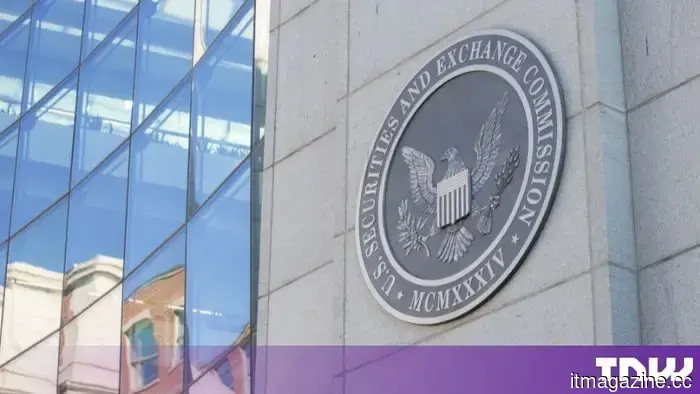 Trump invites cryptocurrency leaders as the SEC suggests its most favorable regulations to date.
On Tuesday, the SEC suggested exemptions for tokens and introduced a conditional safe harbor. The following day, Trump welcomed crypto leaders at the White House.
Trump invites cryptocurrency leaders as the SEC suggests its most favorable regulations to date.
On Tuesday, the SEC suggested exemptions for tokens and introduced a conditional safe harbor. The following day, Trump welcomed crypto leaders at the White House.
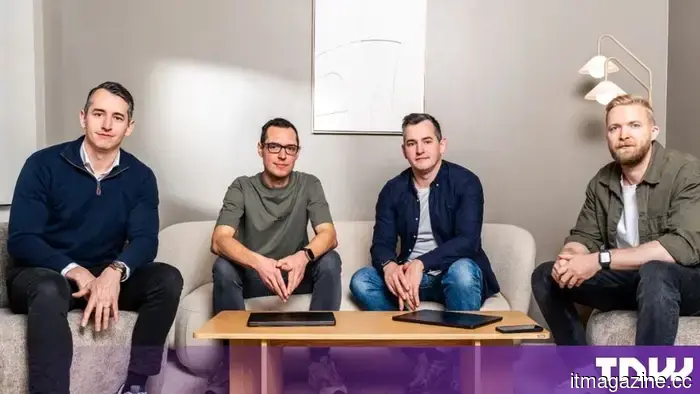 Velatir secures €5 million to grant European companies autonomy over their own AI.
Velatir, located in Odense, has secured €5 million in funding, co-led by Spintop Ventures and Ugly Duckling Ventures, just six months following its pre-seed round.
Velatir secures €5 million to grant European companies autonomy over their own AI.
Velatir, located in Odense, has secured €5 million in funding, co-led by Spintop Ventures and Ugly Duckling Ventures, just six months following its pre-seed round.
 Meta, Google, TikTok, and LinkedIn are now subject to an Australian news law, regardless of whether they distribute news content or not.
Australia has implemented a 2.5% levy on the local advertising revenue of Meta, Google, TikTok, and LinkedIn, unless they reach agreements with eight news organizations.
Meta, Google, TikTok, and LinkedIn are now subject to an Australian news law, regardless of whether they distribute news content or not.
Australia has implemented a 2.5% levy on the local advertising revenue of Meta, Google, TikTok, and LinkedIn, unless they reach agreements with eight news organizations.
 China's robotic traffic police are capable of nearly everything except for pulling you over.
In May, Hangzhou deployed 15 humanoid robots to manage traffic. They help direct vehicles and identify violations, but the enforcement remains the responsibility of human officers.
China's robotic traffic police are capable of nearly everything except for pulling you over.
In May, Hangzhou deployed 15 humanoid robots to manage traffic. They help direct vehicles and identify violations, but the enforcement remains the responsibility of human officers.
Revolut is willing to allow Nik Storonsky to borrow $250 million using his own shares as collateral.
Revolut has requested that shareholders increase Nik Storonsky’s borrowing maximum against his shareholding from $50 million to $250 million as part of a scheme referred to as Project Shasta.