
The covert CIA link that contributed to NeXT's endurance and facilitated Jobs' comeback to Apple
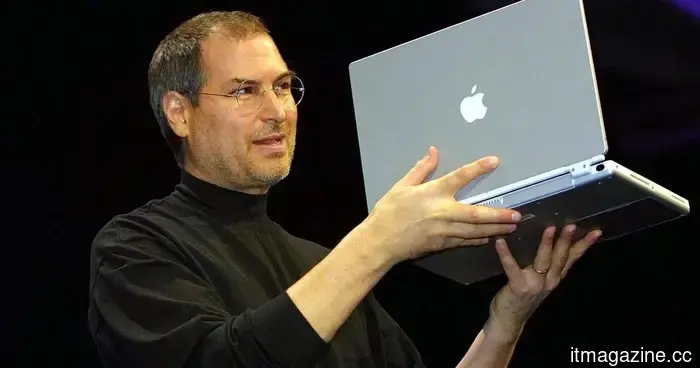
Steve Jobs' return to Apple is often recounted as one of Silicon Valley's remarkable comeback narratives. However, a recent account reveals a lesser-known and more clandestine chapter that facilitated this: a covert partnership between Jobs' struggling computer firm, NeXT, and the CIA.
In a report by Sharon Weinberger in The Wall Street Journal, it is suggested that the CIA quietly became a key customer for NeXT in the late 1980s, purchasing thousands of specially configured workstations at a time when Jobs' company desperately needed revenue. This deal, the report claims, played a crucial role in keeping NeXT from failing and allowed Jobs several additional years to grow as a business leader before he was reintegrated into Apple in 1996.
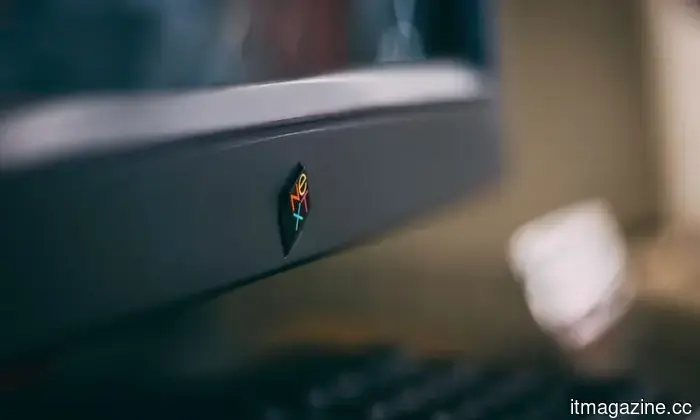
The relationship started in 1986 when CIA officials Joe Romello and Jeff Harris approached Jobs shortly after he launched NeXT. The agency was seeking powerful computing hardware capable of supporting intelligence tasks, including satellite image analysis. According to the Journal’s account, Jobs initially lacked complete knowledge of the government’s requirements.
A secret client helped NeXT endure
NeXT's workstations were ambitious in their technology but costly, and the company faced challenges in securing enough customers. Sales to universities, which Jobs had anticipated would be a significant revenue stream, didn't materialize at the level NeXT required.
The CIA contract shifted the situation. As reported by Weinberger, the intelligence agency committed to purchasing 20,000 NeXT workstations, which received customized components and graphic capabilities after they left NeXT. Ultimately, these computers were utilized by analysts at the National Reconnaissance Office to process and analyze satellite imagery and share intelligence across military and intelligence networks.
This arrangement also reportedly allowed NeXT to drastically increase its production, escalating from several hundred workstations in its first month to thousands. Much of this partnership remained concealed from NeXT employees and even within the federal government, where the National Security Agency was publicly noted as the client.
The unexpected link back to Apple
The implications of this story extend beyond an obscure government contract. NeXT became the environment in which Jobs restored his reputation following his departure from Apple, while its technology later proved to be even more influential than its hardware offerings.
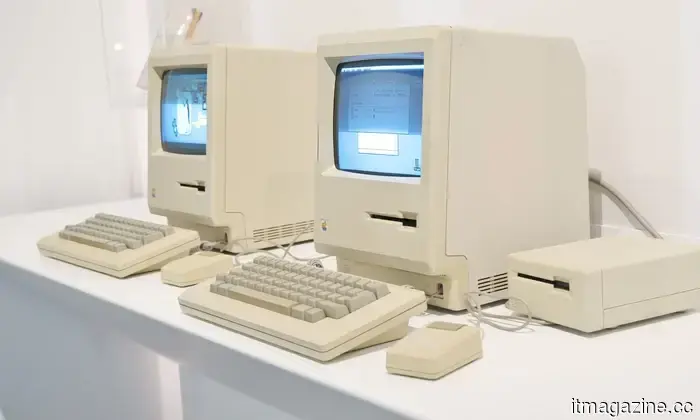
Apple acquired NeXT in 1996, reuniting Jobs with the company he co-founded. NeXTSTEP, the operating system from the company, ultimately served as the technical foundation for Apple’s software, impacting products that would evolve into the Mac, iPhone, and iPad.
Weinberger posits that the intelligence relationship effectively granted Jobs extra time and financial stability to advance NeXT before his return to Apple. The CIA connection diminished as defense spending from the Cold War era declined and Silicon Valley began focusing more on consumer technology.
This narrative surfaces at a time when the relationship between Silicon Valley and Washington is becoming increasingly intertwined again, especially in the realms of artificial intelligence and defense technology. In this light, the hidden history of NeXT serves as a reminder that the spheres of consumer technology and national security have been connected for far longer than they might seem.
Other articles
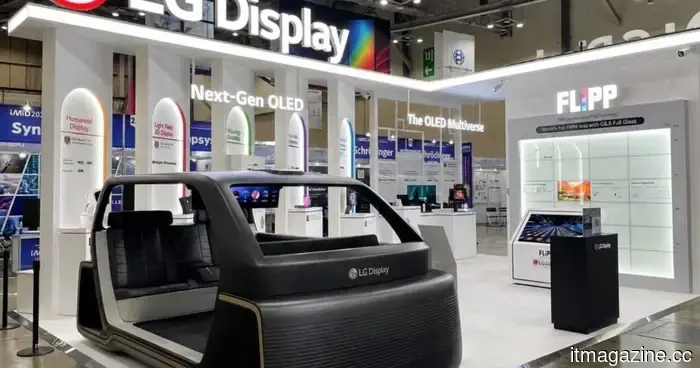 LG's latest OLED technology can endure 2.4 times longer, with monitors being the first to benefit.
LG Display's FLiPP OLED technology claims to offer a lifespan that is 2.4 times longer, increased brightness, and reduced power consumption, with monitors and tablets expected to serve as the initial testing grounds.
LG's latest OLED technology can endure 2.4 times longer, with monitors being the first to benefit.
LG Display's FLiPP OLED technology claims to offer a lifespan that is 2.4 times longer, increased brightness, and reduced power consumption, with monitors and tablets expected to serve as the initial testing grounds.
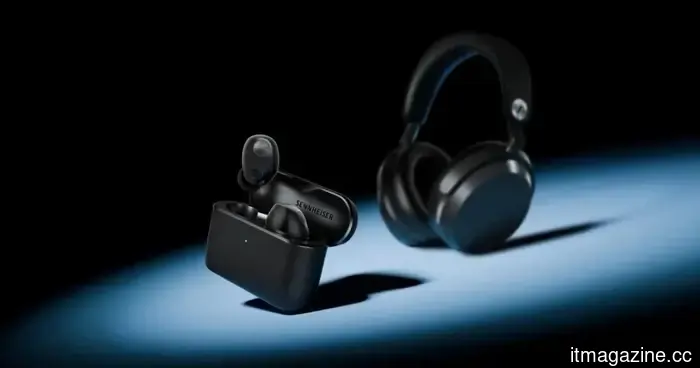 Sennheiser has just released earbuds that you won't need to discard when the battery runs out.
Sennheiser's latest Momentum True Wireless 5 earbuds offer premium sound quality, Dolby Atmos support, and a battery that users can replace on their own.
Sennheiser has just released earbuds that you won't need to discard when the battery runs out.
Sennheiser's latest Momentum True Wireless 5 earbuds offer premium sound quality, Dolby Atmos support, and a battery that users can replace on their own.
 Reasons behind Unitree becoming the first humanoid robot company to go public in China.
On Wednesday, Unitree Robotics made its debut on the STAR Market of the Shanghai Stock Exchange with the ticker symbol 688836.SH. Coinciding with this event, the 2026 World Robot
Reasons behind Unitree becoming the first humanoid robot company to go public in China.
On Wednesday, Unitree Robotics made its debut on the STAR Market of the Shanghai Stock Exchange with the ticker symbol 688836.SH. Coinciding with this event, the 2026 World Robot
 Pew reports that 10% of the internet currently displays indications of having been created by AI.
Pew identified significant evidence of AI authorship in approximately 10% of a random selection of webpages, with the figure exceeding one-third for pages published after the launch of ChatGPT.
Pew reports that 10% of the internet currently displays indications of having been created by AI.
Pew identified significant evidence of AI authorship in approximately 10% of a random selection of webpages, with the figure exceeding one-third for pages published after the launch of ChatGPT.
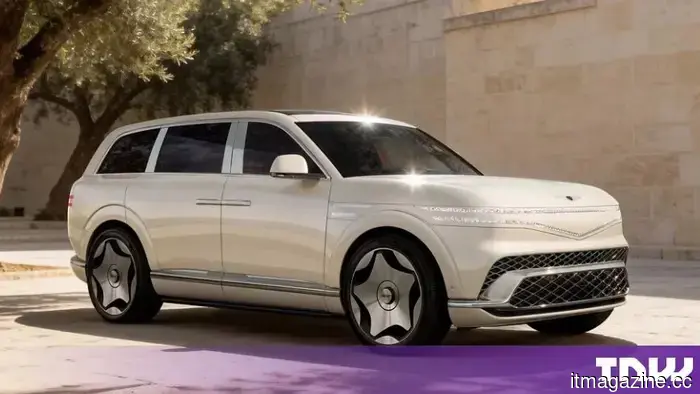 Hyundai's luxury division has introduced a new flagship electric vehicle, but there are no plans for it to be available in Europe.
The Genesis GV90 is an electric SUV boasting 490 kW of power, equipped with a 123.5 kWh battery and featuring coach doors. It will be available for purchase in the US at the beginning of next year, with no plans for a European release announced yet.
Hyundai's luxury division has introduced a new flagship electric vehicle, but there are no plans for it to be available in Europe.
The Genesis GV90 is an electric SUV boasting 490 kW of power, equipped with a 123.5 kWh battery and featuring coach doors. It will be available for purchase in the US at the beginning of next year, with no plans for a European release announced yet.
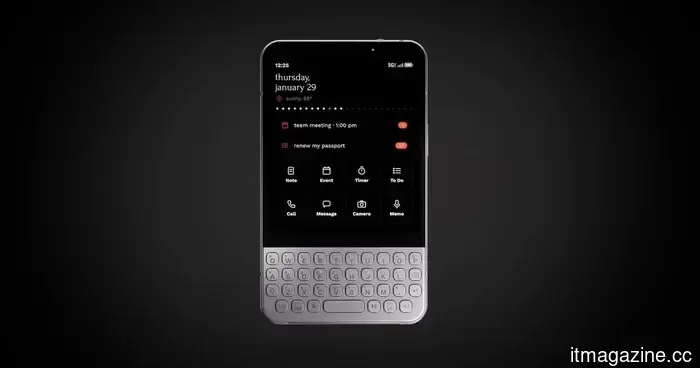 The minimalist phone is gradually evolving back into a smartphone.
The Minimal Phone 2 addresses several of the compromises that made the original challenging to use. However, these enhancements also bring up an uncomfortable question regarding what defined its minimalism in the beginning.
The minimalist phone is gradually evolving back into a smartphone.
The Minimal Phone 2 addresses several of the compromises that made the original challenging to use. However, these enhancements also bring up an uncomfortable question regarding what defined its minimalism in the beginning.
The covert CIA link that contributed to NeXT's endurance and facilitated Jobs' comeback to Apple
A recently disclosed connection with the CIA might have played a role in supporting Steve Jobs' struggling NeXT, ultimately establishing an unforeseen link to his eventual comeback at Apple.