
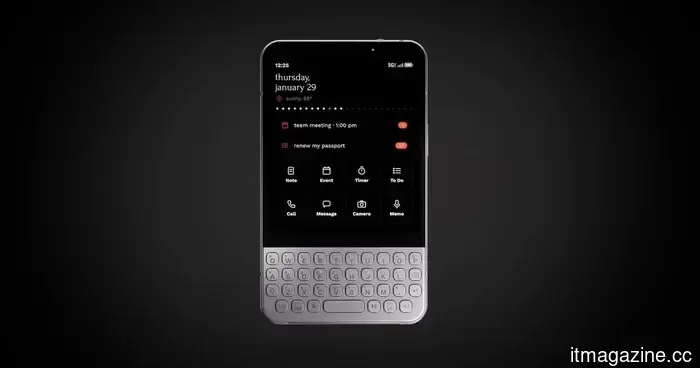
The minimalist phone is gradually evolving back into a smartphone.
I appreciate minimalist phones theoretically more than I likely would in real life. I desire fewer triggers to look at a screen, yet I recognize that I'm accustomed to my phone performing everyday tasks swiftly and easily.
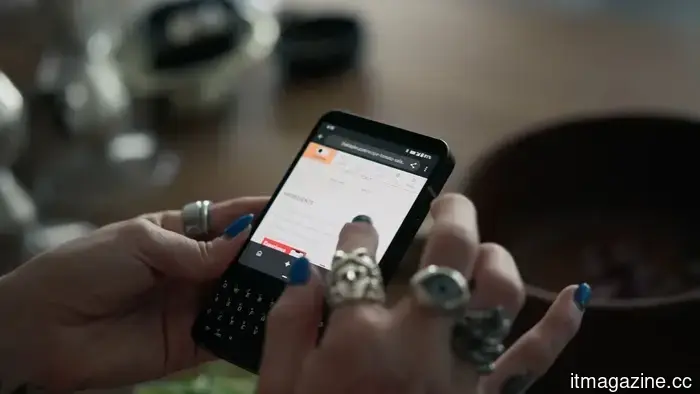
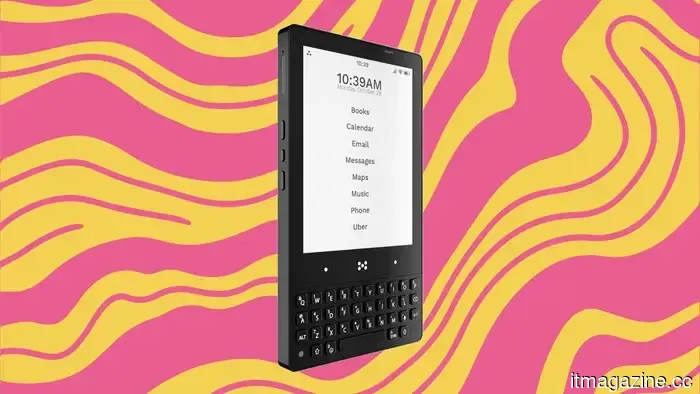
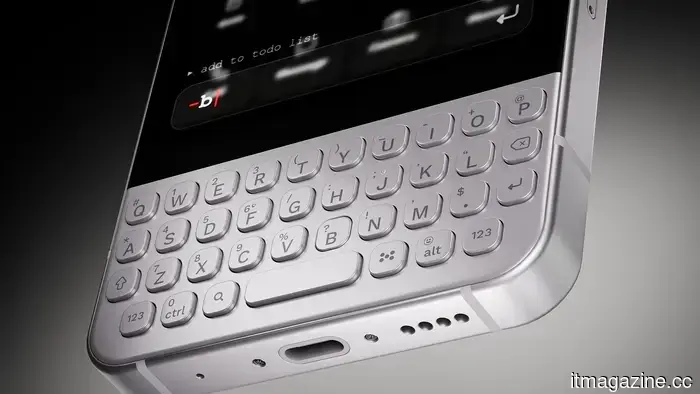
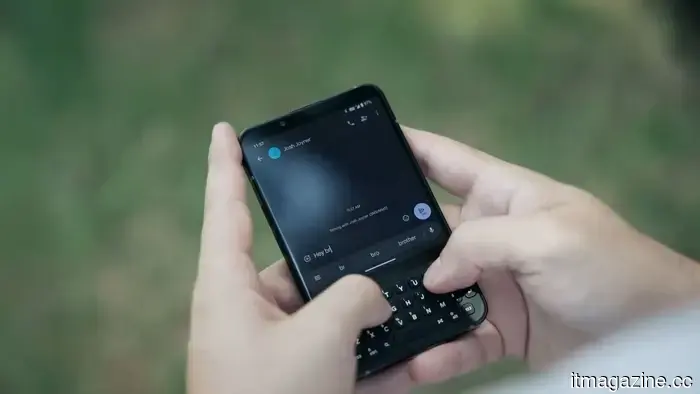
This is why I'm intrigued by the Minimal Phone 2. It replaces the E-paper display of the original model with a smoother 90Hz AMOLED screen, along with upgraded hardware, 5G, and improved cameras. If I were to purchase one, I’d probably want most of those enhancements as well. However, when you combine all these features, the Minimal Phone starts to resemble the very smartphones it aimed to provide an alternative to.
The Minimal Company
The restrictions were part of the charm
The first Minimal Phone succeeded in part due to its non-negotiable limitations. Minimal marketed the E-paper display as a means to minimize distractions while still allowing access to Android apps. You could still download YouTube or Instagram, but using either on E-paper wasn’t exactly enticing. Scrolling through content suddenly demanded some commitment.
The Minimal Phone The Minimal Company
I can see why a phone might occasionally make me think, “Actually, never mind,” when I reach for it out of boredom. Some users shared similar views, insisting that the E-paper experience was what distinguished the Minimal Phone from another Android device with a keyboard.
The Phone 2 complicates that relationship. A quicker and smoother experience eliminates real frustrations, which is generally what I seek from a new phone. This improvement, however, also removes one of the original model’s most effective methods for encouraging me to put it down.
The Minimal Company
There are valid reasons for the change
Minimal also had practical motives for moving away from E-paper. One of its developers mentioned that sourcing an appropriate panel in the right size and making a significant improvement over the first model would demand costly research and development.
I can understand why some users would embrace the shift. While deliberate inconvenience might seem appealing, it can hinder you from completing essential tasks. Over time, a phone that is meant to promote healthier habits can become bothersome. However, some users perceive that frustration as part of what they paid for initially.
The Minimal Company
I find myself caught between those perspectives. I don’t want my phone beckoning me into hours of scrolling, but I also don’t want accessing a boarding pass to feel like a test of my character.
Can software make up for an irritating screen?
The Phone 2 now relies on software to handle much of what the E-paper display previously managed automatically. Minimal still wants the experience to feel more serene and intentional, with features like Focus Hours helping to shape phone usage, even as the underlying hardware becomes more user-friendly.
The Minimal Company
This is where I start to feel less convinced. An E-paper display doesn’t take my discipline into account that afternoon. If Instagram looks unpleasant on it, it looks unpleasant. Software-based restraint requires more self-discipline from me than a display that physically discourages distractions.
Perhaps this is the dilemma. People still anticipate that a costly phone will respond promptly and manage essential tasks, and it's difficult to fault anyone for wanting that. But Minimal can continually enhance the Phone 2 until there’s hardly anything left in the hardware preventing me from treating it like any other smartphone.
The Minimal Phone 2 might turn out to be the more practical product due to these modifications. However, at some point, one has to question whether “Minimal” accurately describes the phone, or if it merely reflects the narrative you tell yourself while toting yet another nearly-smartphone in disguise.
Other articles
 The covert CIA link that contributed to NeXT's endurance and facilitated Jobs' comeback to Apple
A recently disclosed connection with the CIA might have played a role in supporting Steve Jobs' struggling NeXT, ultimately establishing an unforeseen link to his eventual comeback at Apple.
The covert CIA link that contributed to NeXT's endurance and facilitated Jobs' comeback to Apple
A recently disclosed connection with the CIA might have played a role in supporting Steve Jobs' struggling NeXT, ultimately establishing an unforeseen link to his eventual comeback at Apple.
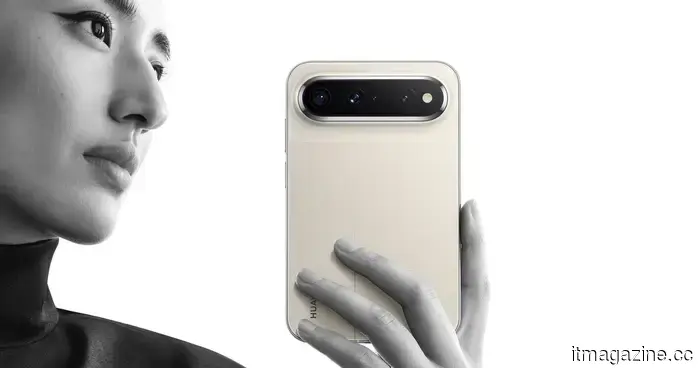 Huawei aims to revive the popularity of small phones, and you'll find yourself wanting one as well.
The Huawei Pura X View aims to bring back the appeal of wide-body foldable phones while maintaining strong internal specifications. For instance, it boasts a substantial battery despite its slim design.
Huawei aims to revive the popularity of small phones, and you'll find yourself wanting one as well.
The Huawei Pura X View aims to bring back the appeal of wide-body foldable phones while maintaining strong internal specifications. For instance, it boasts a substantial battery despite its slim design.
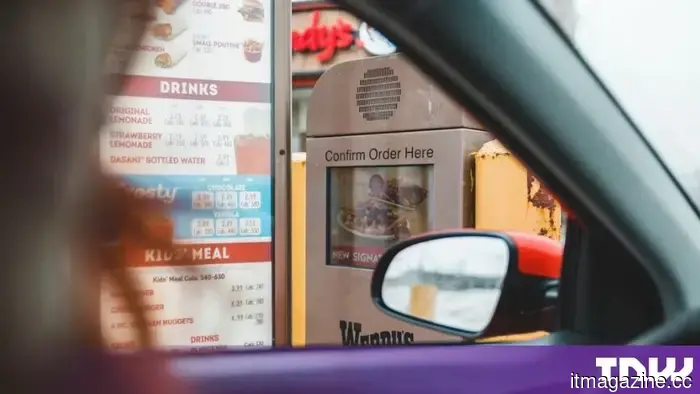 The expansion of Taco Bell's voice AI indicates a new stage for the drive-thru experience.
Taco Bell has implemented voice AI in over 890 locations across the U.S. Testing conducted independently indicates that employee intervention rates vary between 3% and 33% among different brands, highlighting the importance of deployment maturity in drive-thru AI.
The expansion of Taco Bell's voice AI indicates a new stage for the drive-thru experience.
Taco Bell has implemented voice AI in over 890 locations across the U.S. Testing conducted independently indicates that employee intervention rates vary between 3% and 33% among different brands, highlighting the importance of deployment maturity in drive-thru AI.
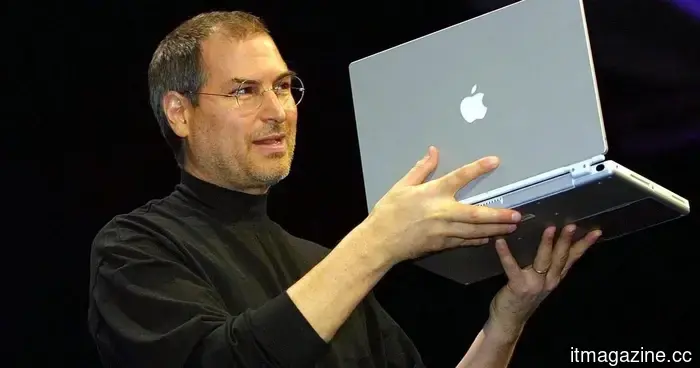 The hidden CIA link that contributed to NeXT's continuation and Steve Jobs' comeback at Apple.
A recently disclosed connection with the CIA might have played a role in sustaining Steve Jobs' struggling NeXT, paving an unexpected path for his eventual comeback to Apple.
The hidden CIA link that contributed to NeXT's continuation and Steve Jobs' comeback at Apple.
A recently disclosed connection with the CIA might have played a role in sustaining Steve Jobs' struggling NeXT, paving an unexpected path for his eventual comeback to Apple.
 The Chinese video platform Bilibili is broadening its global reach.
Bilibili has reintroduced its international app without requiring ID checks and is currently recruiting in London and Istanbul. In Europe, the DSA is taking a wait-and-see approach instead of enforcing a ban.
The Chinese video platform Bilibili is broadening its global reach.
Bilibili has reintroduced its international app without requiring ID checks and is currently recruiting in London and Istanbul. In Europe, the DSA is taking a wait-and-see approach instead of enforcing a ban.
 Recently acquired a Pixel 11? Here are the top accessories I would recommend investing in.
I explored numerous accessories compatible with Pixelsnap for the Pixel 11 to determine which ones are truly worth purchasing.
Recently acquired a Pixel 11? Here are the top accessories I would recommend investing in.
I explored numerous accessories compatible with Pixelsnap for the Pixel 11 to determine which ones are truly worth purchasing.
The minimalist phone is gradually evolving back into a smartphone.
The Minimal Phone 2 addresses several of the compromises that made the original challenging to use. However, these enhancements also bring up an uncomfortable question regarding what defined its minimalism in the beginning.