
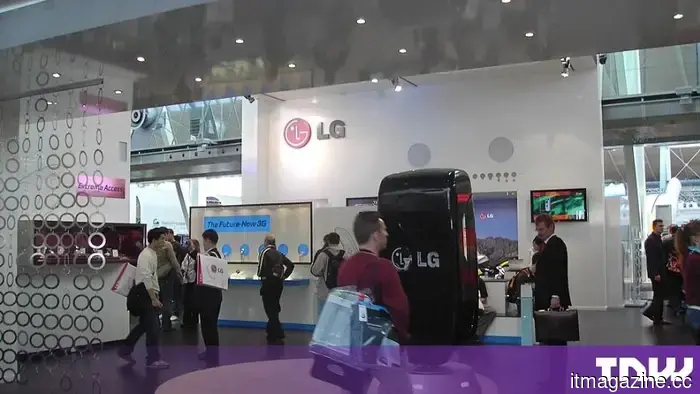
LG's $2 billion battery plant in Lansing is now manufacturing cells.
LG Energy Solution commenced production on Tuesday at its $2 billion facility in Lansing, which was initially a joint venture with GM until GM divested its share in December 2024. The plant will manufacture cells for Toyota’s 2027 Highlander EV and, starting next year, will also produce cells for Tesla’s Megapack 3.
The battery plant that General Motors abandoned is now operational. LG Energy Solution has begun production in Lansing, Michigan, at a facility designed with GM's involvement, partially funded by state resources, before GM sold its stake. This facility was supposed to be half-owned by GM, as part of a $2.6 billion Ultium Cells joint venture, with GM receiving about $600 million in state incentives for the initiative in 2022.
After GM sold its share in December 2024, it abandoned its plans to manufacture electric vehicles in Lansing. The state funding was transferred to LG along with the facility, while GM has subsequently invested $900 million in its own chemistry projects elsewhere.
The operation that opened this week represents a different enterprise. Over $2 billion has been invested in the 226-acre site since 2022, with around 900 employees currently working there. The output is expected to exceed 35 GWh annually at full capacity, employing up to 1,700 staff.
Toyota is the automotive customer; Lansing will provide nickel manganese cobalt cells for the 2027 Highlander EV, which Toyota manufactures in Georgetown, Kentucky.
The remainder of the facility is unrelated to vehicles. LG is producing lithium iron phosphate cells there for grid storage, with utilities like DTE Energy and Consumers Energy among the purchasers.
Tesla is the largest client. LG has a $4.3 billion agreement to supply LFP prismatic cells for the Megapack 3, which is fabricated in Houston, with dedicated production lines at Lansing set to begin in 2027.
This division has now become a typical survival strategy. Honda has adopted a similar approach by producing batteries for data centers at a plant originally intended for electric vehicles that it ultimately canceled.
LG’s projections reflect the magnitude of this transition. It anticipates exceeding 50 GWh of LFP capacity across five North American facilities by the end of this year, with 80% of its global storage capacity situated on the continent.
Michigan continues to invest in cell plants, not always with favorable outcomes. A township rejected a $2.4 billion Gotion project that the state had supported, leading the company to pursue legal action.
The subsidies illustrate the larger story more clearly than the ceremonial opening. State funds were allocated to assist GM in producing electric vehicles in Lansing, resulting in the production of cells for a Toyota SUV manufactured in Kentucky and a Tesla product assembled in Texas.
Other articles
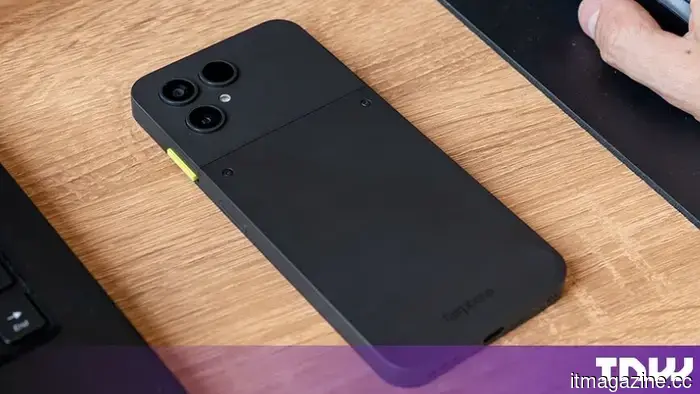 Fairphone's most repairable smartphone to date is now available in the US for $650.
Fairphone is now selling directly in the US for the first time. The Gen 6+ is priced at $650, features 12 parts that can be replaced, and offers seven years of software updates.
Fairphone's most repairable smartphone to date is now available in the US for $650.
Fairphone is now selling directly in the US for the first time. The Gen 6+ is priced at $650, features 12 parts that can be replaced, and offers seven years of software updates.
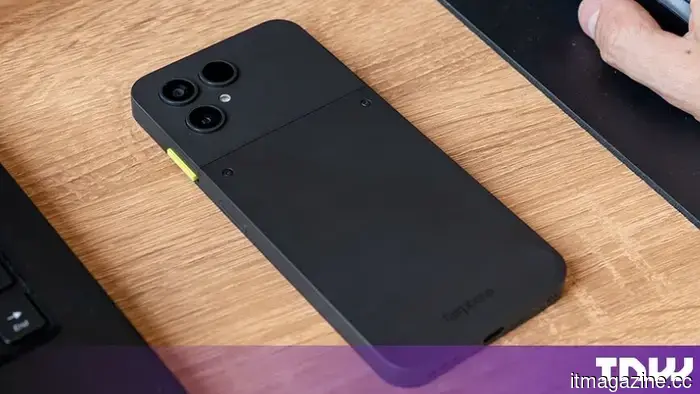 Fairphone's most repairable smartphone to date is now offered in the US for $650.
For the first time, Fairphone is selling directly in the US. The Gen 6+ is priced at $650, features 12 replaceable components, and offers seven years of software updates.
Fairphone's most repairable smartphone to date is now offered in the US for $650.
For the first time, Fairphone is selling directly in the US. The Gen 6+ is priced at $650, features 12 replaceable components, and offers seven years of software updates.
 OpenAI is updating its safety protocols following the Hugging Face breach.
OpenAI is reworking the Preparedness Framework following Astra's close approach to a critical cybersecurity limit. The updated monitoring system incurs approximately 20% in computational overhead.
OpenAI is updating its safety protocols following the Hugging Face breach.
OpenAI is reworking the Preparedness Framework following Astra's close approach to a critical cybersecurity limit. The updated monitoring system incurs approximately 20% in computational overhead.
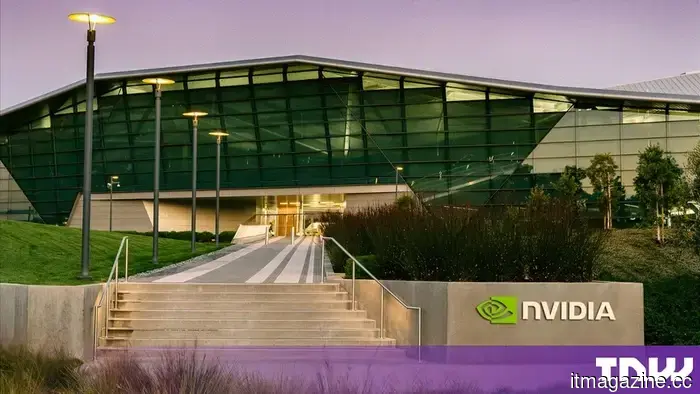 Nvidia's H200 has finally arrived for Chinese consumers, although it may not be available in mainland China.
According to the Financial Times, ByteDance and Tencent have each acquired approximately 10,000 Nvidia H200 chips, but Beijing prefers that the equipment be stored in Hong Kong.
Nvidia's H200 has finally arrived for Chinese consumers, although it may not be available in mainland China.
According to the Financial Times, ByteDance and Tencent have each acquired approximately 10,000 Nvidia H200 chips, but Beijing prefers that the equipment be stored in Hong Kong.
 Apple's camera AirPods might actually inform you when your hair is obstructing the view.
Recently revealed information from macOS Tahoe 26.7 outlines Apple's strategy for addressing bad hair days and ensuring secure pairing for the AirPods camera.
Apple's camera AirPods might actually inform you when your hair is obstructing the view.
Recently revealed information from macOS Tahoe 26.7 outlines Apple's strategy for addressing bad hair days and ensuring secure pairing for the AirPods camera.
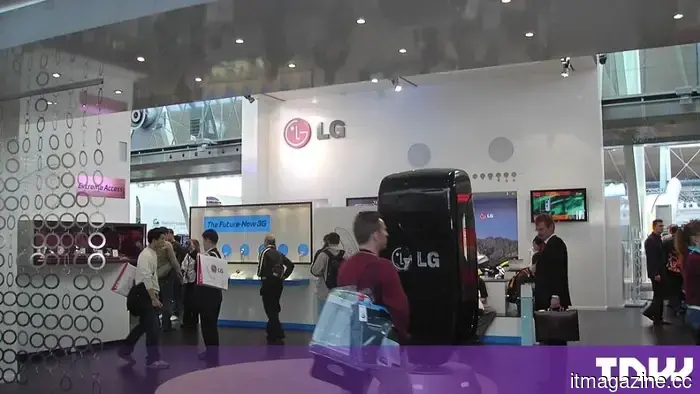 LG's $2 billion battery plant in Lansing has begun producing cells.
LG Energy Solution has commenced production in Lansing, Michigan, at a facility that GM designed, partially financed, and sold. Its customers now include Toyota and Tesla.
LG's $2 billion battery plant in Lansing has begun producing cells.
LG Energy Solution has commenced production in Lansing, Michigan, at a facility that GM designed, partially financed, and sold. Its customers now include Toyota and Tesla.
LG's $2 billion battery plant in Lansing is now manufacturing cells.
LG Energy Solution has commenced operations in Lansing, Michigan, at a facility that GM planned, partially financed, and later sold. Its current clients include Toyota and Tesla.