
LG's $2 billion battery plant in Lansing has begun producing cells.
LG Energy Solution commenced production on Tuesday at its $2 billion Lansing facility, which was previously a joint venture with GM until GM divested its stake in December 2024. The plant will produce cells for Toyota's 2027 Highlander EV and, starting next year, for Tesla's Megapack 3.
The battery plant, from which General Motors withdrew, officially opened on Tuesday. LG Energy Solution has initiated operations in Lansing, Michigan, at a site designed with GM's help and partly funded by state resources before GM sold its share. The project was initially planned as a $2.6 billion Ultium Cells joint venture, with GM receiving approximately $600 million in incentives from the Michigan state for it in 2022.
After selling its stake in December 2024 and abandoning plans to produce electric vehicles in Lansing, GM allowed state funding to be transferred to LG along with the facility. Meanwhile, GM has invested $900 million in its own chemistry development elsewhere.
What opened this week represents a different enterprise. Since 2022, over $2 billion has been invested in the 226-acre site, which currently employs around 900 people, with projected annual output expected to exceed 35 GWh at full capacity with a workforce of up to 1,700.
Toyota is the primary automotive client for the plant. Lansing will produce nickel manganese cobalt cells for the 2027 Highlander EV, which Toyota assembles in Georgetown, Kentucky.
The remainder of the facility's operations is unrelated to vehicles. LG is manufacturing lithium iron phosphate cells there for grid storage, with buyers including DTE Energy and Consumers Energy.
Tesla is the largest customer, with LG under a $4.3 billion contract to supply LFP prismatic cells for the Megapack 3, which is produced in Houston. Dedicated production lines at Lansing are set to start in 2027.
This division of focus is becoming a common strategy for survival. Honda has also adopted a similar approach, producing batteries for data centers at a facility initially intended for electric vehicle manufacturing that was later canceled.
LG's own projections highlight the magnitude of this transition. The company anticipates more than 50 GWh of LFP capacity across five North American locations by the year's end, with 80% of its global storage capacity located on the continent.
Michigan continues to fund cell plants, albeit with varying degrees of success. A local township halted a $2.4 billion Gotion project that the state had supported, leading the company to file a lawsuit regarding the matter.
The nature of the subsidy underscores the situation more clearly than the ceremonial opening. Funds were designated to assist GM in constructing electric vehicles in Lansing, but they now facilitate the production of cells for a Toyota SUV manufactured in Kentucky and a Tesla product made in Texas.
Other articles
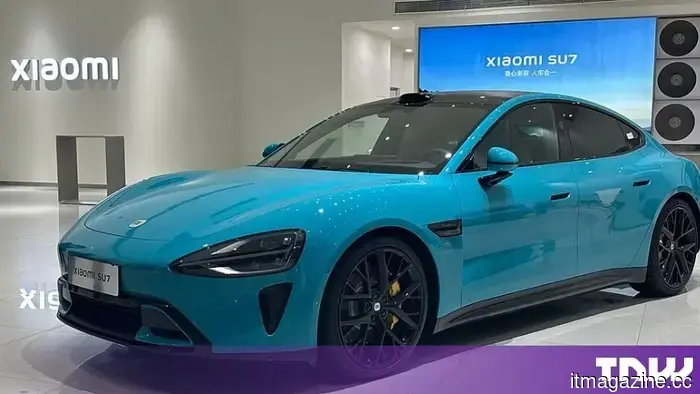 Xiaomi's inaugural electric vehicle has surpassed half a million units delivered.
Xiaomi's SU7 has achieved 500,000 deliveries in 28.5 months. However, it has seen a decline of 43.6% this year, whereas the company overall has experienced an increase of nearly 15%.
Xiaomi's inaugural electric vehicle has surpassed half a million units delivered.
Xiaomi's SU7 has achieved 500,000 deliveries in 28.5 months. However, it has seen a decline of 43.6% this year, whereas the company overall has experienced an increase of nearly 15%.
 ChatGPT is introducing a version for teenagers, and I have many questions.
Teenagers are currently utilizing AI for their homework and beyond. OpenAI's latest ChatGPT experience aims to ensure that they are genuinely learning from it — with significant safeguards in place.
ChatGPT is introducing a version for teenagers, and I have many questions.
Teenagers are currently utilizing AI for their homework and beyond. OpenAI's latest ChatGPT experience aims to ensure that they are genuinely learning from it — with significant safeguards in place.
 Cerebras has introduced the CS-4, its inaugural multi-wafer system, although the chip it contains is not novel.
Cerebras' CS-4 combines three wafers into a single rack and boasts a performance that is 30 times faster than a GPU. However, the processor it contains is the WSE-3, which operates at a higher clock speed.
Cerebras has introduced the CS-4, its inaugural multi-wafer system, although the chip it contains is not novel.
Cerebras' CS-4 combines three wafers into a single rack and boasts a performance that is 30 times faster than a GPU. However, the processor it contains is the WSE-3, which operates at a higher clock speed.
 SK Hynix will repurchase $28.6 billion of its own shares, marking the largest buyback in the history of Korean corporations.
SK Hynix has authorized a 40 trillion won ($28.6 billion) share repurchase, marking the largest buyback by a publicly traded company in Korea, after a record-breaking quarter did not boost its stock price.
SK Hynix will repurchase $28.6 billion of its own shares, marking the largest buyback in the history of Korean corporations.
SK Hynix has authorized a 40 trillion won ($28.6 billion) share repurchase, marking the largest buyback by a publicly traded company in Korea, after a record-breaking quarter did not boost its stock price.
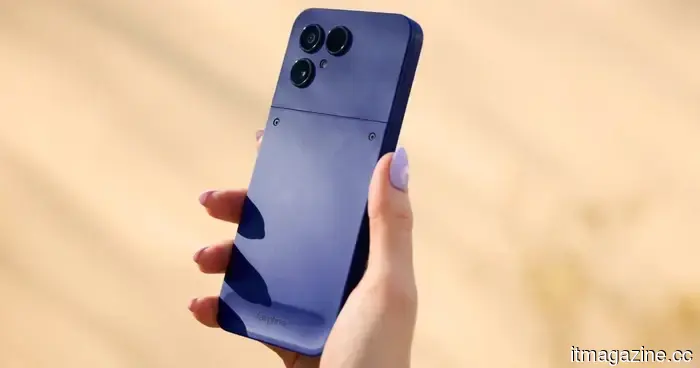 The phone that you can truly fix by yourself is finally arriving in the US.
Fairphone is now offering its repairable, sustainable phone in the US, complete with a screwdriver. Here’s the price of the Gen 6+ and reasons why it could be worth skipping your next upgrade.
The phone that you can truly fix by yourself is finally arriving in the US.
Fairphone is now offering its repairable, sustainable phone in the US, complete with a screwdriver. Here’s the price of the Gen 6+ and reasons why it could be worth skipping your next upgrade.
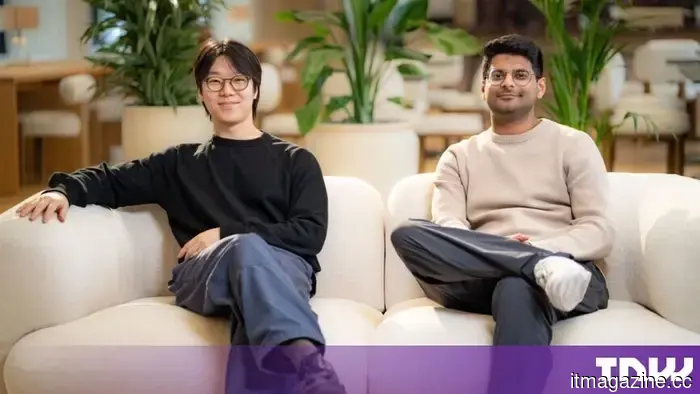 Medly AI secures $8 million to provide an AI tutor for every exam student in the UK.
Medly AI has secured $8 million in seed funding, led by Felix Capital, just weeks after obtaining a £300,000 contract from the UK government to evaluate AI tutoring for students who are struggling.
Medly AI secures $8 million to provide an AI tutor for every exam student in the UK.
Medly AI has secured $8 million in seed funding, led by Felix Capital, just weeks after obtaining a £300,000 contract from the UK government to evaluate AI tutoring for students who are struggling.
LG's $2 billion battery plant in Lansing has begun producing cells.
LG Energy Solution has commenced production in Lansing, Michigan, at a facility that GM designed, partially financed, and sold. Its customers now include Toyota and Tesla.