
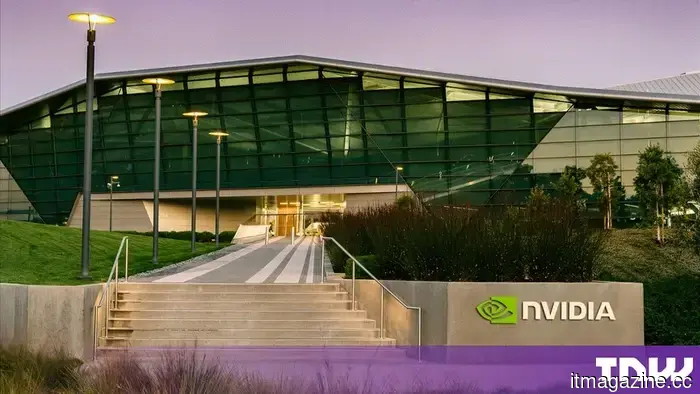
Nvidia's H200 has eventually made its way to Chinese customers, although it may not be available in mainland China.
After eight months of export licenses that saw minimal shipments, Nvidia's H200 accelerators have begun arriving at Chinese tech companies. According to the Financial Times, ByteDance and Tencent have each received approximately 10,000 of the processors in recent weeks, with other Chinese firms expected to acquire similar quantities soon.
Even at first glance, these amounts are small compared to what was previously anticipated. When the Commerce Department permitted around ten Chinese companies to purchase H200s in May, each license had a cap of 75,000 units, and no chips had been shipped; Chinese purchasers had reportedly ordered about two million units back in January.
However, one detail in the FT article does not align with the records. The publication states that the U.S. limit is 100,000 chips per company, which contradicts Bloomberg's reported cap of 75,000 in March and the subsequent discussions of the May approvals. No source has confirmed a revision, so the higher figure seems to come solely from the FT until the Commerce Department clarifies.
Reaching this point has required most of a year of fluctuating policies from both sides. China initially blocked H200s at customs in January, then conditionally approved ByteDance, Alibaba, and Tencent for over 400,000 units combined a fortnight later, only for Washington to tighten controls again in May.
The more intriguing issue involves geography. Beijing has mandated that companies keep the hardware outside mainland China to protect its domestic chip manufacturers, allowing firms to route processors through Hong Kong, which is outside the mainland's customs jurisdiction.
This workaround is not improvised. Hong Kong already accounts for over half of China's chip imports, totaling approximately $124 billion between January and May, making it a logical location to store silicon that companies wish to avoid declaring at the border.
Mainland engineering teams can access computing resources located in Hong Kong via cross-border network links, maintaining the chips offshore in technicality while making them practically accessible.
Washington has taken notice, with the Bureau of Industry and Security reviewing how Chinese companies gain access to hardware that they are not permitted to outright own.
Commerce had previously attempted to close the geographical loophole. A clarification issued on May 31 extended the licensing requirement to Chinese and Macau-based entities operating worldwide, precisely targeting the loophole a Hong Kong data center would otherwise create.
In response, Nvidia has been tightening its own processes, eliminating over half of its Asian clients from an internal approved-buyer list in July, a costly compliance measure for a company whose business in China was worth billions before the restrictions.
Interestingly, the barrier to this trade is stemming from Beijing rather than Washington. Commerce Secretary Howard Lutnick stated in May that “the Chinese central government has not let them … buy the chips, because they’re trying to keep their investment focused on their own domestic industry," a stance that aligns with the $295 billion domestic AI data center plan Beijing outlined in June.
The commercial terms remain unusual by any measure. In December, Trump announced that the U.S. would permit Nvidia to ship H200s to approved customers in China, with “25% will be paid to the United States of America,” a rise from the 15% revenue share Nvidia and AMD accepted for H20 and MI308 sales the previous August.
Meanwhile, Congress has received a considerably narrower perspective. Jeffrey Kessler, undersecretary of commerce for industry and security, informed the House Foreign Affairs Committee on July 14 that “very few” H200s had made it to China or Hong Kong, which he separately regarded as a trivial volume.
While 20,000 units may no longer be trivial, it still does not represent a significant market. The future balance now hinges much less on American export licenses and more on how long Beijing believes its own chip manufacturers can afford to wait.
Other articles
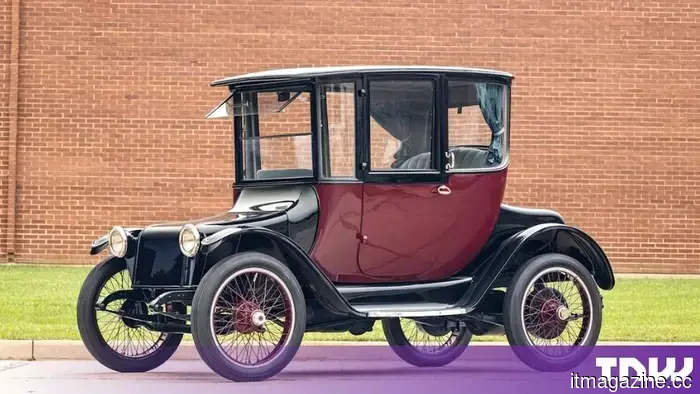 This 1918 electric vehicle was equipped with 42 batteries and boasted a greater range than a 2011 Leaf.
A 1918 Detroit Electric showcased at Monterey boasted a range of 80 miles, surpassing that of the initial Nissan Leaf. Its downfall was attributed to its cost, not its range.
This 1918 electric vehicle was equipped with 42 batteries and boasted a greater range than a 2011 Leaf.
A 1918 Detroit Electric showcased at Monterey boasted a range of 80 miles, surpassing that of the initial Nissan Leaf. Its downfall was attributed to its cost, not its range.
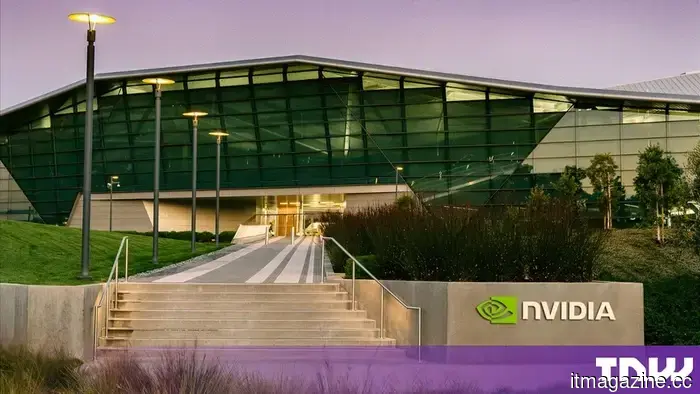 Nvidia's H200 has finally arrived for Chinese consumers, although it may not be available in mainland China.
According to the Financial Times, ByteDance and Tencent have each acquired approximately 10,000 Nvidia H200 chips, but Beijing prefers that the equipment be stored in Hong Kong.
Nvidia's H200 has finally arrived for Chinese consumers, although it may not be available in mainland China.
According to the Financial Times, ByteDance and Tencent have each acquired approximately 10,000 Nvidia H200 chips, but Beijing prefers that the equipment be stored in Hong Kong.
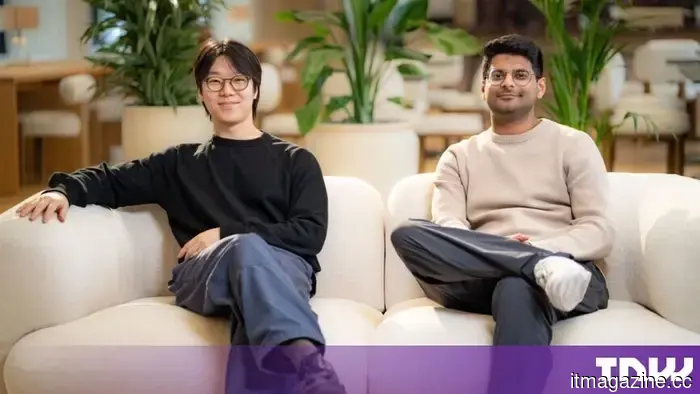 Medly AI secures $8 million to provide an AI tutor for every exam student in the UK.
Medly AI has secured $8 million in seed funding, led by Felix Capital, just weeks after obtaining a £300,000 contract from the UK government to evaluate AI tutoring for students who are struggling.
Medly AI secures $8 million to provide an AI tutor for every exam student in the UK.
Medly AI has secured $8 million in seed funding, led by Felix Capital, just weeks after obtaining a £300,000 contract from the UK government to evaluate AI tutoring for students who are struggling.
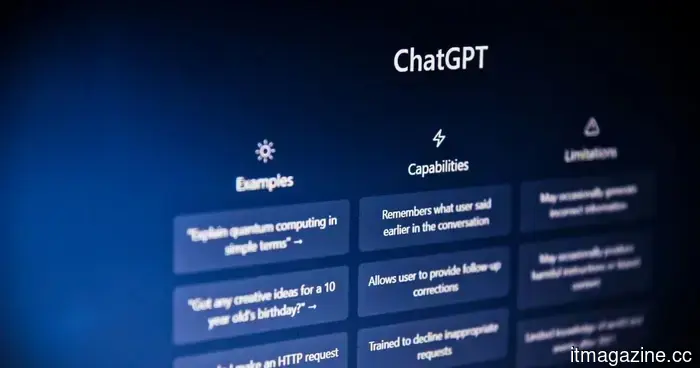 ChatGPT is introducing a version for teenagers, and I have many questions.
Teenagers are currently utilizing AI for their homework and beyond. OpenAI's latest ChatGPT experience aims to ensure that they are genuinely learning from it — with significant safeguards in place.
ChatGPT is introducing a version for teenagers, and I have many questions.
Teenagers are currently utilizing AI for their homework and beyond. OpenAI's latest ChatGPT experience aims to ensure that they are genuinely learning from it — with significant safeguards in place.
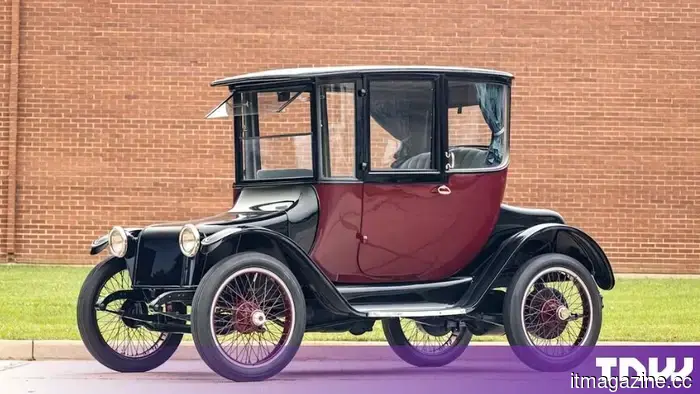 This 1918 electric vehicle was equipped with 42 batteries and offered a greater range than a 2011 Leaf.
A 1918 Detroit Electric advertised at Monterey boasted a range of 80 miles, surpassing that of the first Nissan Leaf. The factor that led to its downfall was its price, rather than its range.
This 1918 electric vehicle was equipped with 42 batteries and offered a greater range than a 2011 Leaf.
A 1918 Detroit Electric advertised at Monterey boasted a range of 80 miles, surpassing that of the first Nissan Leaf. The factor that led to its downfall was its price, rather than its range.
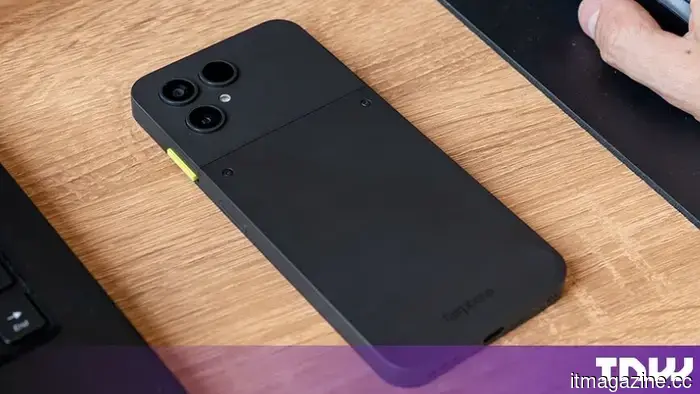 Fairphone's most repairable smartphone to date is now offered in the US for $650.
For the first time, Fairphone is selling directly in the US. The Gen 6+ is priced at $650, features 12 replaceable components, and offers seven years of software updates.
Fairphone's most repairable smartphone to date is now offered in the US for $650.
For the first time, Fairphone is selling directly in the US. The Gen 6+ is priced at $650, features 12 replaceable components, and offers seven years of software updates.
Nvidia's H200 has eventually made its way to Chinese customers, although it may not be available in mainland China.
According to the FT, ByteDance and Tencent have both acquired approximately 10,000 Nvidia H200 chips, but Beijing is requesting that the hardware be stored in Hong Kong.