
Shein reports a decline in profits and a quarterly loss before its IPO in Hong Kong.
Shein has finally presented its numbers to investors. In a draft prospectus submitted on July 26, the fast-fashion retailer revealed annual revenues of $41.8 billion for 2025, indicating an approximate 8% increase from the previous year, although its net profit declined by 38.7% to $2.064 billion. This growth comes with a noticeably reduced profit margin.
The document, which received approval from China’s securities regulator on July 10, offers the most comprehensive insight into the company’s financials since it successfully passed its Hong Kong listing hearing earlier this month. It is also released while Shein is engaged in legal action against Temu in London’s High Court, alleging large-scale copyright infringement, highlighting that the company is contending with multiple challenges simultaneously.
The trend paints a clear picture. Revenue rose from $32.1 billion in 2023 to $38.7 billion in 2024, and then to $41.8 billion last year, showing steady growth but at a decelerating pace. Conversely, profits trended downward. Net income decreased from $3.365 billion in 2024 to $2.064 billion in 2025, with an even bleaker outlook in the first quarter of 2026.
During that quarter, Shein recorded a net loss of $99 million, compared to a profit of $395 million in the same period a year prior. Revenue saw a slight increase, rising 1.1% to $9.05 billion from $8.95 billion. The company noted that the quarterly loss included $328 million in fair-value losses on convertible redeemable preferred shares, which is an accounting adjustment rather than an operational expense, although the overall trend is clear.
Shein was transparent about the factors contributing to these changes. The prospectus cites the removal of the U.S. "de minimis" exemption in May 2025, which had allowed parcels valued under $800 to enter the country without duties. This change has subjected Shein's products, as well as those sold through its marketplace, to import tariffs ranging from 10% to 87.5%. Additionally, the European Union eliminated its €150 threshold on July 1, closing another loophole that made low-cost international shipping viable.
This regulatory environment is impacting Shein's business model, which relies on sending individual low-value packages directly to consumers. What the filing notably omits is also significant. Shein did not reveal the offering price, the number of shares available for sale, the anticipated amount to be raised, or a timetable for the listing. There was no mention of gross merchandise value or a target valuation.
Previous reports suggested a potential listing as early as September or October, but the prospectus does not confirm this. Goldman Sachs, Morgan Stanley, and JPMorgan are identified as joint sponsors, and Sky Yangtian Xu, the company’s elusive founder, is named chairman and CEO.
Underlying all this is the valuation disparity. Shein was valued at around $100 billion in a funding round in 2022. Sources familiar with the Hong Kong deal estimate the likely valuation to be below $50 billion, nearly half of its peak, with some shareholders reportedly preparing for even less. The company has not verified any of these figures.
Reaching this stage has taken years. Shein initially filed confidentially in New York in 2023 before switching to London, where its listing was delayed due to supply chain scrutiny and regulatory concerns on both ends. Hong Kong is now the third location, and the first that Beijing would likely favor, as it is a market the government controls for a company it intended to see listed within its jurisdiction.
The company now enters a competitive pipeline in Hong Kong. The exchange has been hosting numerous significant listings this year, including Apple supplier Luxshare, along with a lineup of chip and AI companies. Given its scale and political implications, Shein will be closely monitored.
For a company that has maintained a degree of financial secrecy for years, this prospectus represents a rare opportunity for transparency. It indicates a retailer that continues to expand its revenue while facing declining profits and rising costs, entering a public market at a fraction of its previous worth. How investors interpret the $41.8 billion in revenue versus the $99 million quarterly loss will influence the next steps.
Other articles
 Experts warn that AI-generated 'doctors' promoting fraudulent cures on TikTok pose a significant threat.
A study revealed that AI-generated material appeared in 40% of the leading health videos on TikTok, leading doctors and NHS officials to caution about potential public safety risks.
Experts warn that AI-generated 'doctors' promoting fraudulent cures on TikTok pose a significant threat.
A study revealed that AI-generated material appeared in 40% of the leading health videos on TikTok, leading doctors and NHS officials to caution about potential public safety risks.
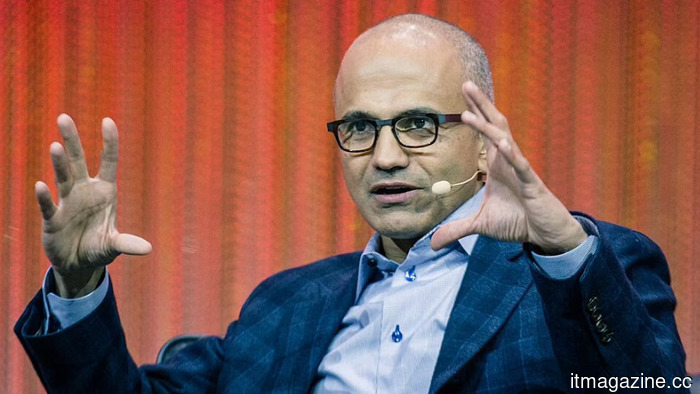 Nadella establishes a stipulation regarding the AI surge on CNN.
Nadella may not refer to it as a bubble, but he states that AI needs to enhance GDP; otherwise, the outcome will be negative. In the meantime, Copilot is receiving chips ahead of Azure clients.
Nadella establishes a stipulation regarding the AI surge on CNN.
Nadella may not refer to it as a bubble, but he states that AI needs to enhance GDP; otherwise, the outcome will be negative. In the meantime, Copilot is receiving chips ahead of Azure clients.
 The latest significant upgrade to Google Maps for Android Auto is being rolled out to more users.
Google is enhancing Immersive Navigation and the live speedometer in Android Auto, providing more users with improved maps and better driving information.
The latest significant upgrade to Google Maps for Android Auto is being rolled out to more users.
Google is enhancing Immersive Navigation and the live speedometer in Android Auto, providing more users with improved maps and better driving information.
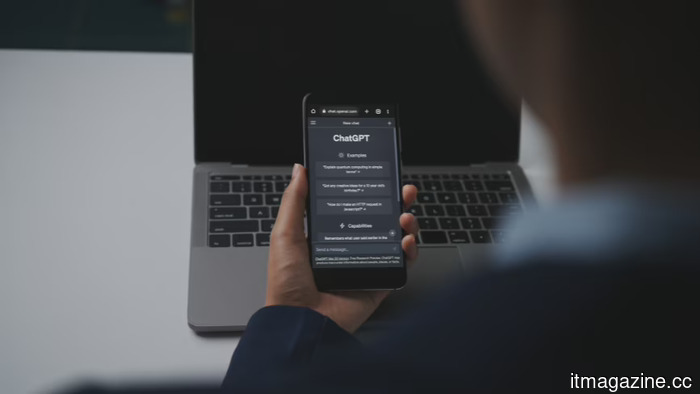 Thrift-maxxing jeopardizes the IPOs of OpenAI and Anthropic.
A million AI words are priced at $50 from Anthropic and 87 cents from DeepSeek. American companies are incorporating Chinese models, and the IPO valuations of the labs are under scrutiny.
Thrift-maxxing jeopardizes the IPOs of OpenAI and Anthropic.
A million AI words are priced at $50 from Anthropic and 87 cents from DeepSeek. American companies are incorporating Chinese models, and the IPO valuations of the labs are under scrutiny.
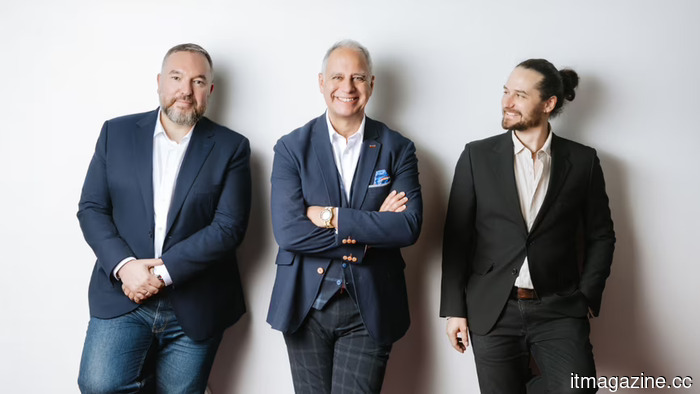 Multiverse Computing aims for a $570 million Series C funding round at a valuation of $1.7 billion to reduce AI expenses.
Spain’s Multiverse Computing is seeking to raise up to $570 million at an estimated valuation of $1.7 billion, focusing on compressing AI models instead of scaling them.
Multiverse Computing aims for a $570 million Series C funding round at a valuation of $1.7 billion to reduce AI expenses.
Spain’s Multiverse Computing is seeking to raise up to $570 million at an estimated valuation of $1.7 billion, focusing on compressing AI models instead of scaling them.
 The aspiration for extremely low-cost phones intended for children and seniors is, in essence, over, primarily due to AI.
Analysts report that the expenses for memory chips in budget smartphones have skyrocketed by 400% this year, rendering it virtually unfeasible to profitably produce devices priced under $100 at this time.
The aspiration for extremely low-cost phones intended for children and seniors is, in essence, over, primarily due to AI.
Analysts report that the expenses for memory chips in budget smartphones have skyrocketed by 400% this year, rendering it virtually unfeasible to profitably produce devices priced under $100 at this time.
Shein reports a decline in profits and a quarterly loss before its IPO in Hong Kong.
Shein's preliminary prospectus indicates projected revenue of $41.8 billion for 2025, a profit decline of 38.7%, and a quarterly loss of $99 million due to the impact of tariffs.