

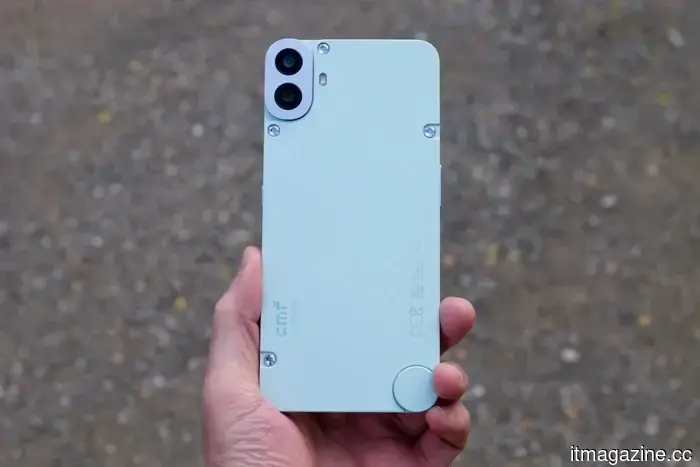
The aspiration for extremely low-cost phones intended for children and seniors is, in essence, over, primarily due to AI.
The demand for memory chips due to AI has made it increasingly difficult to manufacture budget smartphones.
The $100 phone you might have considered purchasing for your child's first device or gifting to your grandmother could soon be out of reach. The growing demand from AI for memory chips is pushing the entire budget smartphone category towards obsolescence.
How serious is the situation?
Research firm Omdia reports that memory prices for smartphones under $100 are expected to soar by 400% by the third quarter of 2026. Should this prediction hold true, the cost of materials for the most common configurations will rise from just $14 last year to around $70 (as reported by the South China Morning Post).
Omdia’s senior research manager, Jusy Hong, stated that current memory prices have already exceeded the total material costs for budget smartphones (approximately $100) as they stood a year ago.
Her assessment, shared during a webinar last Friday, was clear: “it is impossible to manufacture smartphones below US$100 at the moment… [or] in the near future.” Consequently, vendors may completely withdraw from this segment.
Instead, they may shift their focus to more expensive mid-range devices, even as genuine consumer demand remains unmet.
What is causing this shift and who is most affected?
The primary culprit is AI. Memory chip manufacturers have redirected their production towards high-capacity infrastructure that supports AI servers and data centers, leading to a shortage of cheaper chips on which budget smartphones and the broader consumer electronics industry rely.
The average price of smartphones reached $577 in Q1 2026, a 12% increase from the previous year. This price surge has triggered a market slowdown, resulting in a 4% decline in global shipments in Q2. Omdia forecasts a full-year downturn in overall smartphone shipments of 12%, with the budget segment suffering the most, particularly as models under $400 may see a significant contraction of 22%.
Vivo has already increased the price of its iQOO 15’s top storage configuration by 1,500 yuan, while Oppo and Xiaomi have experienced double-digit shipment declines last quarter, according to IDC. Zaker Li from Omdia observed that brands are reducing display and camera specifications to manage costs. However, overall rising prices are limiting options and driving up retail prices.
Hong believes that the ultra-affordable segment could eventually return once memory prices stabilize, though this might take a year or more.
In more than five years, Shikhar has consistently simplified updates in consumer tech and presented them effectively…
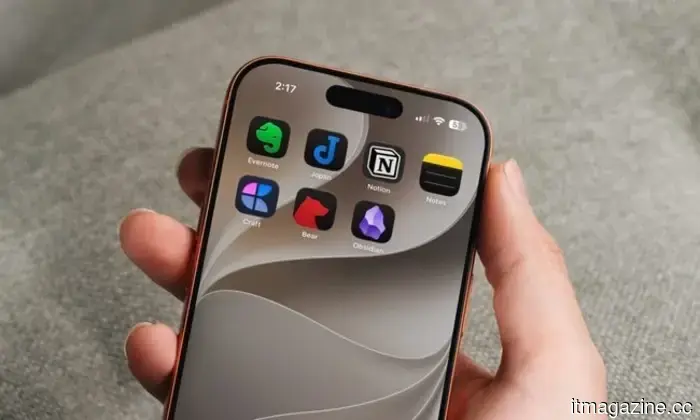
The best note-taking apps for iOS and Android
I tested these apps for months to ensure your notes never have to move again.
Selecting a note-taking app can be challenging. The right app for you will depend on your specific needs, the platform you use, and the price. The situation becomes even more complex with seemingly new apps appearing every week. Therefore, I recommend choosing a note-taking app that includes all the features you need and has longevity. It's essential not to get distracted by new apps; the real value of a note-taking app emerges when all your notes are centralized, facilitating connections between them.
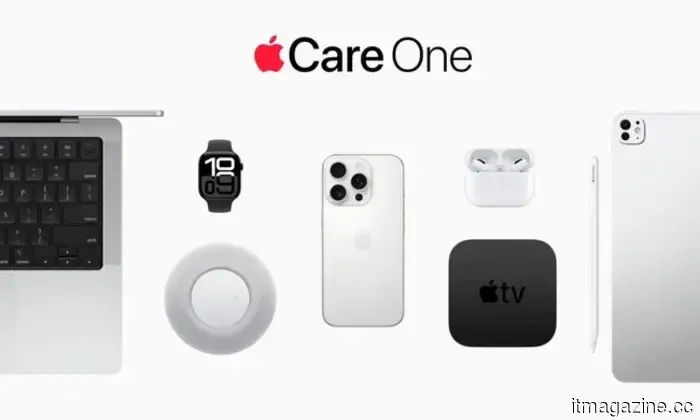
Apple’s best device protection plan is finally expanding beyond the US
AppleCare One is going international, starting with four fortunate countries.
After a year exclusive to the United States, Apple is finally expanding AppleCare One to several more countries. Beginning August 4, it will be available in the UK, France, Germany, and Australia, marking its first international rollout since its US launch in July 2025. This plan allows customers to cover up to three eligible Apple products under one monthly subscription, with the option to add more devices for an extra cost, making it especially attractive for those who own an iPhone, Apple Watch, iPad, or Mac.
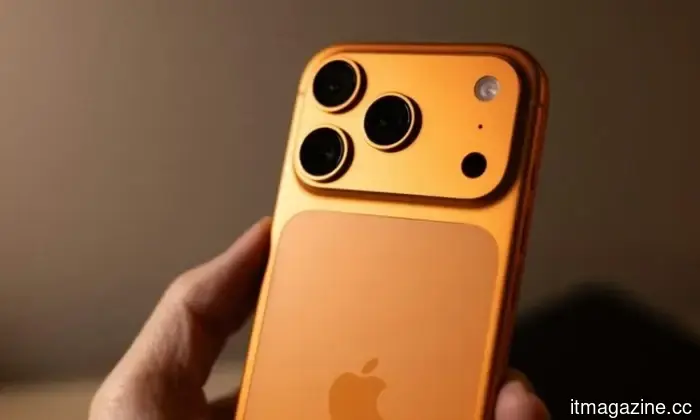
Apple’s new Upgrade program launches soon with significant changes
Apple's new leasing program may exclude AppleCare coverage from the package.
Purchasing your next Apple device might soon resemble leasing a car. Apple is set to introduce its new Upgrade program on Tuesday, July 28, which will replace new enrollments in the longstanding iPhone Upgrade Program with a lease-based option covering iPhones, iPads, Macs, and Apple Watches. Supported by Klarna, this program aims to reduce the upfront cost of Apple’s premium devices while raising questions about ownership of the products being paid for.




Other articles
 A new iPhone application can detect Meta smart glasses in the vicinity.
Earlier this year, Android users were introduced to a unique privacy feature that could notify them when smart glasses were in the vicinity. Now, five months later, iPhone users have access to a comparable tool, and its title clearly expresses its stance on Meta. AntiZuck is a $2.99 iPhone application that detects Bluetooth signals linked to smart glasses and sends alerts […]
A new iPhone application can detect Meta smart glasses in the vicinity.
Earlier this year, Android users were introduced to a unique privacy feature that could notify them when smart glasses were in the vicinity. Now, five months later, iPhone users have access to a comparable tool, and its title clearly expresses its stance on Meta. AntiZuck is a $2.99 iPhone application that detects Bluetooth signals linked to smart glasses and sends alerts […]
 Food carts in New York are adopting electric power as part of a clean air initiative.
New York is experimenting with battery-operated food carts to decrease noise, air pollution, and fuel consumption, while also enhancing the working environment for street vendors.
Food carts in New York are adopting electric power as part of a clean air initiative.
New York is experimenting with battery-operated food carts to decrease noise, air pollution, and fuel consumption, while also enhancing the working environment for street vendors.
 God of War Laufey has finally received a release date, and there's positive news for fans of Kratos as well.
Santa Monica Studio has announced that God of War Laufey is set to be released on February 16, 2027, and has disclosed that another title featuring Kratos is currently in development.
God of War Laufey has finally received a release date, and there's positive news for fans of Kratos as well.
Santa Monica Studio has announced that God of War Laufey is set to be released on February 16, 2027, and has disclosed that another title featuring Kratos is currently in development.
 I played Halo: Campaign Evolved, and its cutscenes illustrate what the Halo series might have looked like.
Halo is marking its 25th anniversary with a stunning remake of Combat Evolved, and the fresh cinematics have rekindled a lingering desire: I still yearn for a true Halo series.
I played Halo: Campaign Evolved, and its cutscenes illustrate what the Halo series might have looked like.
Halo is marking its 25th anniversary with a stunning remake of Combat Evolved, and the fresh cinematics have rekindled a lingering desire: I still yearn for a true Halo series.
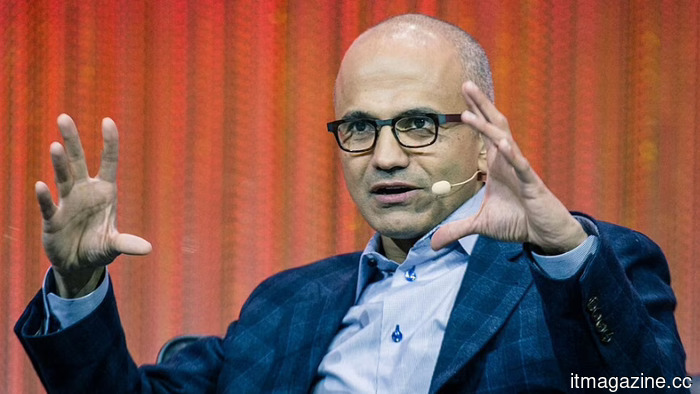 Nadella establishes a requirement for the AI surge on CNN.
Nadella refrains from labeling it a bubble, but indicates that AI needs to boost GDP, or the outcome will be unfavorable. In the meantime, Copilot receives chips prior to Azure customers.
Nadella establishes a requirement for the AI surge on CNN.
Nadella refrains from labeling it a bubble, but indicates that AI needs to boost GDP, or the outcome will be unfavorable. In the meantime, Copilot receives chips prior to Azure customers.
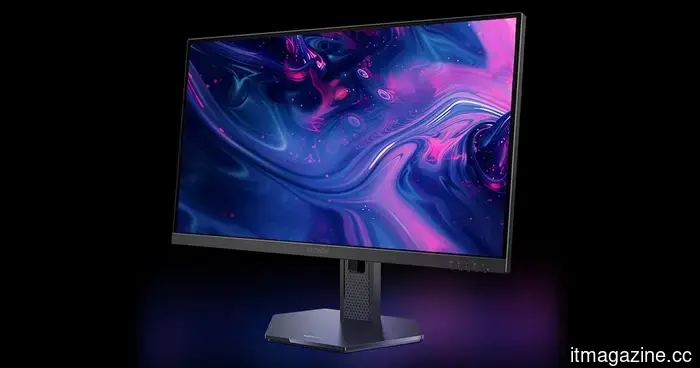 Lenovo’s $99 280Hz gaming monitor is designed for those on a tight budget.
Lenovo has introduced two budget-friendly 280Hz gaming monitors aimed at competitive gamers, spearheaded by a 23.8-inch version priced locally at approximately $99.
Lenovo’s $99 280Hz gaming monitor is designed for those on a tight budget.
Lenovo has introduced two budget-friendly 280Hz gaming monitors aimed at competitive gamers, spearheaded by a 23.8-inch version priced locally at approximately $99.
The aspiration for extremely low-cost phones intended for children and seniors is, in essence, over, primarily due to AI.
Analysts report that the expenses for memory chips in budget smartphones have skyrocketed by 400% this year, rendering it virtually unfeasible to profitably produce devices priced under $100 at this time.