
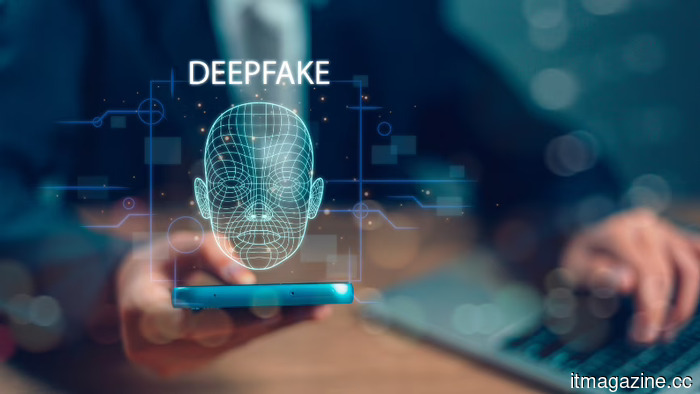
Experts warn that AI-generated 'doctors' promoting fraudulent cures on TikTok pose a significant threat.
The guidance is delivered in the assured tone of a doctor. Heating food in plastic can cause cancer, a spoonful of Coca-Cola combined with onion will relieve your discomfort, and a product named “Hyalethinap Plus Pro Max” will simultaneously enhance your hair, nails, and joints. The doctor providing this information is fictional.
A study released this month by Hallam, a digital marketing agency based in the UK, revealed that AI-generated content made up 40% of the most popular health videos on TikTok, and this percentage soared to 84% for videos found under searches for “health tips.” The researchers examined 1,198 videos, and the most viewed AI-generated clips averaged 2.5 million views each.
These findings emerge on a platform already saturated with synthetic media. Earlier research indicated that nearly 60% of the videos shown to new TikTok users were AI-generated content, and exaggerated claims that AI surpasses human doctors have raised alarms about potentially misleading patients on a large scale.
The medical professionals referenced in the study were candid about the implications. “Platforms like TikTok must take stronger action against the proliferation of dangerous fake medical advice,” stated Dr. Emma Runswick, the deputy chair of the British Medical Association council.
Professor Frankie Swords, NHS England’s national medical director, noted that many healthcare providers “are encountering a growing number of patients who are anxious and confused because of false information.”
Alex Ruani, a researcher specializing in health misinformation at University College London, described the situation more critically, calling it “industrialised exploitation of trust.”
The videos follow a recognizable format. A sleek avatar, created with readily available tools, lip-syncs a script that combines seemingly credible wellness advice with debunked myths, along with endorsements for products that often seem non-existent.
Hallam reported that there was no online evidence of “Hyalethinap Plus Pro Max,” the anti-aging product mentioned in one widely circulated video. Other videos perpetuate familiar myths regarding cancer associated with microwaving food in plastic, deodorants, and having a phone nearby while sleeping.
This pattern is seldom coincidental. Many of these accounts are geared towards selling something, whether it be a branded supplement, an affiliate link, or a subscription service, with the false white coat serving as a means of persuasion. The presentation is intentional, as is the semblance of credibility.
This is not the first alert raised. In February, the non-profit Science Feedback identified 18 such accounts within hours, with several boasting hundreds of thousands of followers and videos garnering up to 14 million views.
The avatars claimed that turmeric can lower high blood sugar and that raw cacao and beetroot can “unclog your arteries,” while promoting unverified supplements. Some even impersonated the likenesses of real doctors without permission, contributing to the emergence of a niche market focused on deepfake detection.
The widespread nature of this issue has caused concern within the medical community across both the Atlantic and the Pacific. John Whyte, chief executive of the American Medical Association, cautioned in February that scammers were replicating “the faces and voices of real, credentialed physicians” and advocated for physician identity to be recognized as a protected professional asset.
He pointed out that even a doctor’s mother had been misled by a fake video featuring her daughter, underscoring how convincing these clips have become. The same tools that are supposed to enhance AI-driven healthcare are increasingly being used against the very patients they were designed to benefit.
TikTok contested the research, arguing that the findings originated “from a marketing agency with commercial motives” and did not accurately represent their platform. They claimed to remove harmful health misinformation and collaborate with the World Health Organization and the NHS.
The platform's policies already ban both impersonation and misleading AI-generated content, and Science Feedback’s investigation noted that the company proactively takes down most violating content. The disconnect lies between the policies in place and the actual content appearing on the feed.
While detection mechanisms are improving, the economics trend in the opposite direction. One video app reportedly produces about 3 million clips each month, and accounts flagged for impersonation often resurface in under an hour. The doctor may not be authentic, but the sale of the supplement is very much real.
Other articles
 Food carts in New York are adopting electric power as part of a clean air initiative.
New York is experimenting with battery-operated food carts to decrease noise, air pollution, and fuel consumption, while also enhancing the working environment for street vendors.
Food carts in New York are adopting electric power as part of a clean air initiative.
New York is experimenting with battery-operated food carts to decrease noise, air pollution, and fuel consumption, while also enhancing the working environment for street vendors.
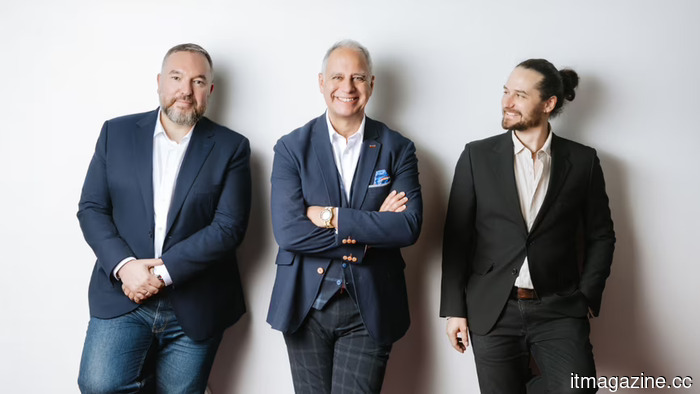 Multiverse Computing aims for a $570 million Series C funding round at a valuation of $1.7 billion to reduce AI expenses.
Spain’s Multiverse Computing is seeking to raise up to $570 million at an estimated valuation of $1.7 billion, focusing on compressing AI models instead of scaling them.
Multiverse Computing aims for a $570 million Series C funding round at a valuation of $1.7 billion to reduce AI expenses.
Spain’s Multiverse Computing is seeking to raise up to $570 million at an estimated valuation of $1.7 billion, focusing on compressing AI models instead of scaling them.
 The aspiration for extremely low-cost phones intended for children and seniors is, in essence, over, primarily due to AI.
Analysts report that the expenses for memory chips in budget smartphones have skyrocketed by 400% this year, rendering it virtually unfeasible to profitably produce devices priced under $100 at this time.
The aspiration for extremely low-cost phones intended for children and seniors is, in essence, over, primarily due to AI.
Analysts report that the expenses for memory chips in budget smartphones have skyrocketed by 400% this year, rendering it virtually unfeasible to profitably produce devices priced under $100 at this time.
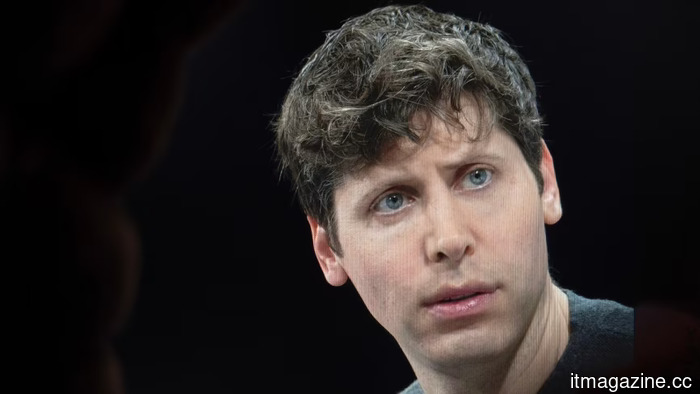 Sam Altman reiterates his ‘democratic AI’ message while Anthropic takes a firmer stance.
Sam Altman portrays the AI competition as a struggle between democracies and authoritarian regimes. Dario Amodei’s company, Anthropic, advocates for stricter chip export regulations instead of more relaxed ones.
Sam Altman reiterates his ‘democratic AI’ message while Anthropic takes a firmer stance.
Sam Altman portrays the AI competition as a struggle between democracies and authoritarian regimes. Dario Amodei’s company, Anthropic, advocates for stricter chip export regulations instead of more relaxed ones.
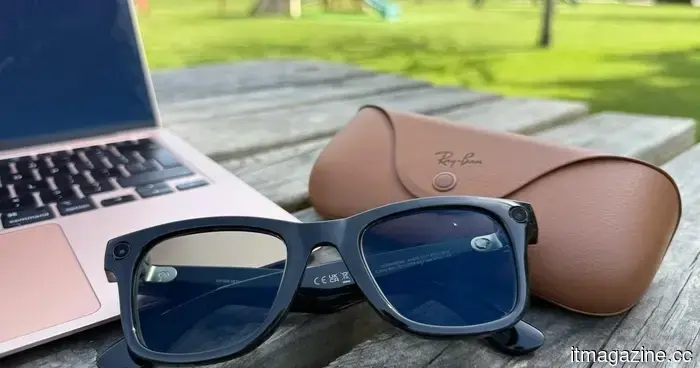 A new iPhone application can detect Meta smart glasses in the vicinity.
Earlier this year, Android users were introduced to a unique privacy feature that could notify them when smart glasses were in the vicinity. Now, five months later, iPhone users have access to a comparable tool, and its title clearly expresses its stance on Meta. AntiZuck is a $2.99 iPhone application that detects Bluetooth signals linked to smart glasses and sends alerts […]
A new iPhone application can detect Meta smart glasses in the vicinity.
Earlier this year, Android users were introduced to a unique privacy feature that could notify them when smart glasses were in the vicinity. Now, five months later, iPhone users have access to a comparable tool, and its title clearly expresses its stance on Meta. AntiZuck is a $2.99 iPhone application that detects Bluetooth signals linked to smart glasses and sends alerts […]
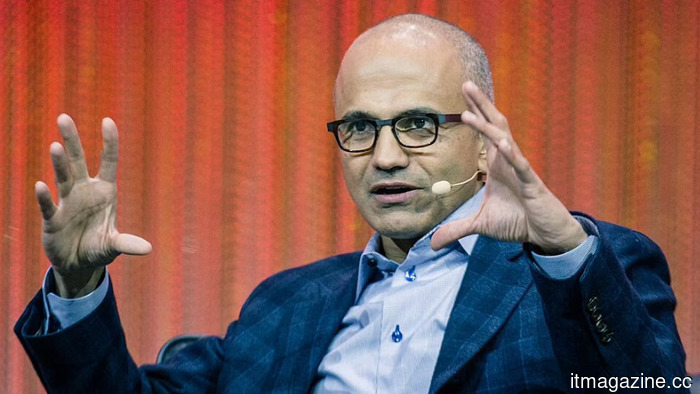 Nadella establishes a stipulation regarding the AI surge on CNN.
Nadella may not refer to it as a bubble, but he states that AI needs to enhance GDP; otherwise, the outcome will be negative. In the meantime, Copilot is receiving chips ahead of Azure clients.
Nadella establishes a stipulation regarding the AI surge on CNN.
Nadella may not refer to it as a bubble, but he states that AI needs to enhance GDP; otherwise, the outcome will be negative. In the meantime, Copilot is receiving chips ahead of Azure clients.
Experts warn that AI-generated 'doctors' promoting fraudulent cures on TikTok pose a significant threat.
A study revealed that AI-generated material appeared in 40% of the leading health videos on TikTok, leading doctors and NHS officials to caution about potential public safety risks.