
Samsung establishes a robotics division led by its CEO to pursue humanoid robots.
Samsung Electronics has consolidated its various robotics initiatives into a single business division that reports directly to the chief executive. This structural change aims to transform its hardware ambitions into a true growth driver. The newly established unit, named RX, or Robotics eXperience, operates directly under co-chief executive Roh Tae-moon and reflects the company's serious pursuit of physical AI as its next endeavor.
The reorganization, announced on July 21, comes at a time when Samsung is relying on robotics to counterbalance declining earnings in its mobile and home appliance sectors, where pricing competition and a saturated smartphone market have impacted profit margins. This move also positions the company more prominently in the competition for humanoid robots, a sector already competitive with numerous Chinese and American players.
While robotics has been touted as a potential growth driver in the past, the decision to create a standalone division, made outside the usual year-end restructuring, grants the initiative the authority it previously lacked. The RX unit will oversee mid-to-long-term strategy, core technology development, and the commercial deployment of Samsung's robots.
The leadership appointments convey a significant message. Lee Dong-kun, an executive vice-president, will lead the Robotics Strategy Team after transitioning from Hyundai Motor Group, where he managed robotics strategy and directed operations at Boston Dynamics. Additionally, Samsung has enhanced its team with academic expertise, bringing on board Kim Hyoun-jin from Seoul National University, an expert in autonomous robot guidance and control, and Kim Ui-kyum from Ajou University, who specializes in dexterous robotic hands.
Samsung has identified the development of a robotic hand as one of the most challenging and costly aspects of creating a humanoid, although precisely quantifying the costs of components is difficult.
The division does not start from scratch; Samsung increased its stake in Rainbow Robotics, a Korean firm producing collaborative and humanoid robots, to around 35% by the end of 2024, becoming its largest shareholder and integrating the company as a consolidated subsidiary. This initial investment was significant, with Samsung acquiring a 14.7% stake for approximately 86.8 billion won and later exercising a call option worth about 267 billion won to gain control.
The two entities have considered forming a synergy council to align Rainbow’s collaborative robots and autonomous mobile robots with Samsung’s software, AI, and global distribution capabilities. According to the Korea Herald, RX will be headquartered at Samsung's Seoul research campus, with plans for a dedicated data facility at its Gumi complex to train robots using real-world industrial data. The company also aims to establish additional research centers in the United States, China, and Japan to leverage local talent and technology networks.
In the short term, the goal is to develop humanoid robots for manufacturing, with plans to extend into domestic and retail environments once the technology is proven reliable. Samsung has expressed its intention to seek investments and acquisitions as necessary to accelerate development and commercialization, indicating that more deals may be on the horizon.
Investors appeared to respond positively to the reshuffle, as Samsung shares rose following the announcement, with CNBC framing the change as part of a broader initiative into physical AI. The company had previously informed analysts in January of its desire to achieve tangible outcomes in humanoid robotics within the year, citing advancements in AI that are beginning to make these machines commercially viable.
However, whether Samsung can turn organizational improvements into viable products remains uncertain. The next wave of robotics has yielded many prototypes and promises, but widespread deployment remains infrequent, with competitors like Tesla and numerous Chinese startups also vying for the same opportunities.
Samsung's strengths lie in its financial resources, manufacturing capabilities, and a supply chain that already produces the necessary chips, sensors, and displays for humanoid robots.
For now, the most evident signal is structural: by establishing robotics as its own division with direct access to the chief executive, Samsung has eliminated typical justifications related to competing internal priorities and made the success of the unit a critical test of its broader growth strategy.
Other articles
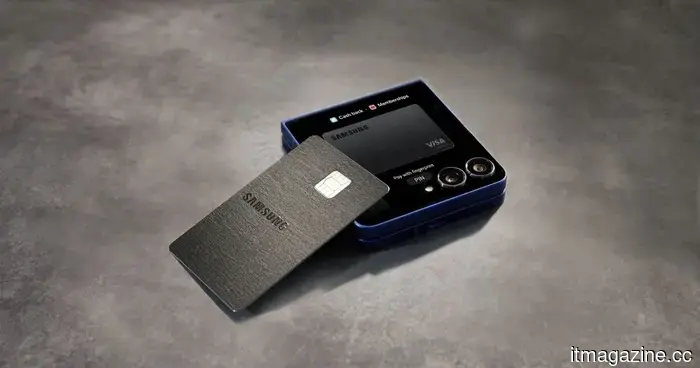 Samsung introduces Galaxy credit card prior to Galaxy Unpacked event.
Samsung has introduced the Galaxy Card, which provides up to 5 percent cashback on qualifying Samsung purchases just before its Galaxy Unpacked event.
Samsung introduces Galaxy credit card prior to Galaxy Unpacked event.
Samsung has introduced the Galaxy Card, which provides up to 5 percent cashback on qualifying Samsung purchases just before its Galaxy Unpacked event.
 deltaVision secures €10.2M to develop the infrastructure for in-orbit refueling.
The Munich-based startup deltaVision has secured €10.2 million in its initial funding round to expand its spacecraft valves and develop components for refueling satellites in orbit.
deltaVision secures €10.2M to develop the infrastructure for in-orbit refueling.
The Munich-based startup deltaVision has secured €10.2 million in its initial funding round to expand its spacecraft valves and develop components for refueling satellites in orbit.
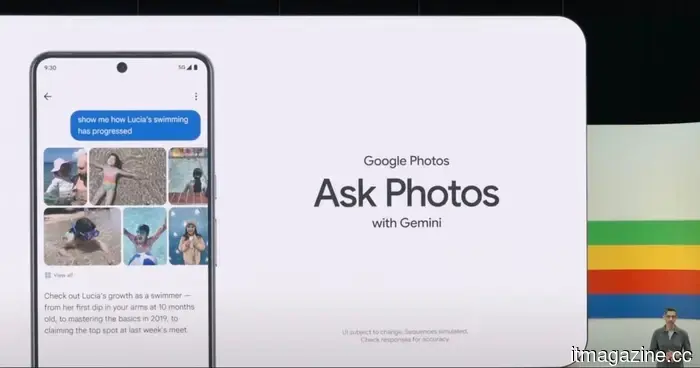 Google Photos introduces a convenient switch between AI and traditional search.
Individuals who have chosen to use Ask Photos can now toggle between results powered by Gemini and standard search results directly from the results page.
Google Photos introduces a convenient switch between AI and traditional search.
Individuals who have chosen to use Ask Photos can now toggle between results powered by Gemini and standard search results directly from the results page.
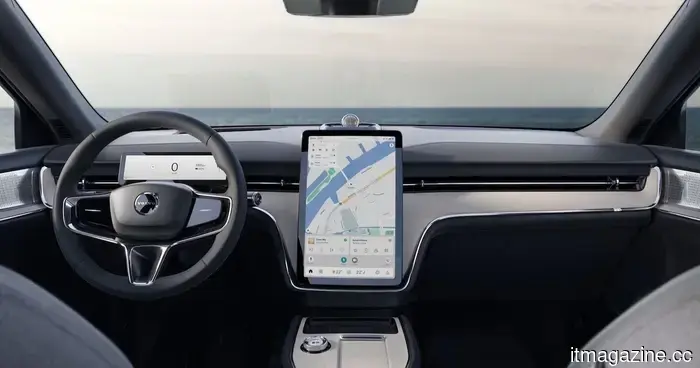 Volvo is launching Apple Music for more than 2 million vehicles through a straightforward OTA update.
Volvo is introducing native support for Apple Music to more than 2 million vehicles, featuring Spatial Audio in certain models and providing free subscription deals.
Volvo is launching Apple Music for more than 2 million vehicles through a straightforward OTA update.
Volvo is introducing native support for Apple Music to more than 2 million vehicles, featuring Spatial Audio in certain models and providing free subscription deals.
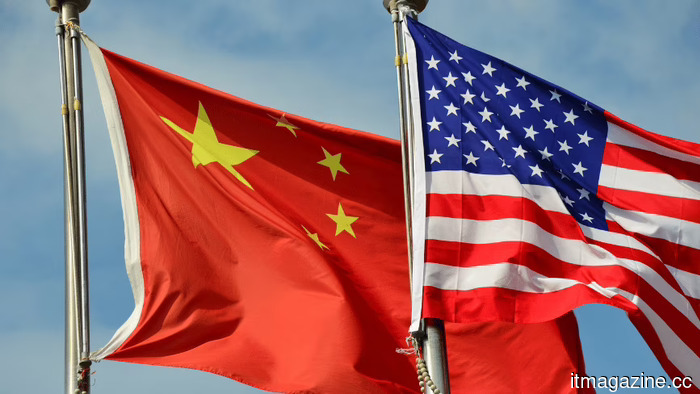 Reports indicate that the US and China are set to commence a new series of discussions regarding AI in September.
The United States and China are said to be organizing another round of discussions on AI in September, focusing on safety, governance, and the implications of chip export controls.
Reports indicate that the US and China are set to commence a new series of discussions regarding AI in September.
The United States and China are said to be organizing another round of discussions on AI in September, focusing on safety, governance, and the implications of chip export controls.
 After months of anticipation, WhatsApp’s Liquid Glass redesign is finally set to arrive on Mac.
WhatsApp has started implementing its redesign for Mac, inspired by Liquid Glass, which features an updated interface, enhanced navigation, and specific sections for Locked Chats and Communities.
After months of anticipation, WhatsApp’s Liquid Glass redesign is finally set to arrive on Mac.
WhatsApp has started implementing its redesign for Mac, inspired by Liquid Glass, which features an updated interface, enhanced navigation, and specific sections for Locked Chats and Communities.
Samsung establishes a robotics division led by its CEO to pursue humanoid robots.
Samsung Electronics has established a new robotics division called RX, which will report directly to its CEO, as the company seeks to develop humanoid robots and physical AI to drive future growth.