
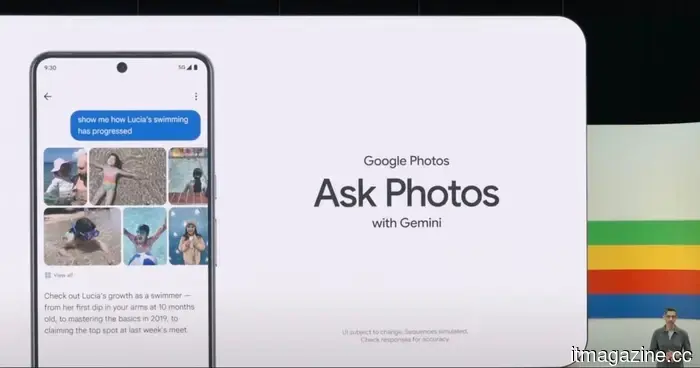
Google Photos introduces a convenient switch between AI and traditional search.
Classic search is now more accessible for users who have activated Ask Photos.
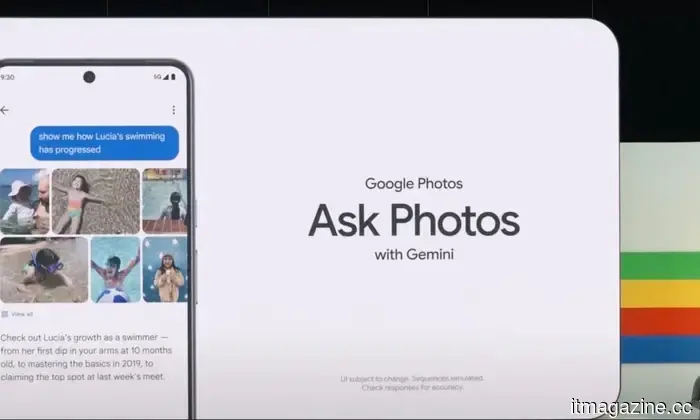
Google Photos is simplifying the process for users to switch from its Gemini-powered search to classic search when a basic keyword search suffices. A new toggle has been placed at the top of the results page, allowing users to easily switch between Ask Photos and classic search without having to navigate through settings.
This update seems to respond to feedback from users who have enabled Ask Photos but sought a faster method to revert to classic search when Gemini was not as quick or helpful for simpler queries.
What prompted Google to introduce the toggle?
Ask Photos is designed for more complex inquiries. It can comprehend natural language questions and search for specifics within images, accommodating requests like “What’s my license plate?” In contrast, classic search is quicker for finding a person, place, object, date, or keyword.
Users on Reddit expressed frustration over irrelevant results, missed keyword matches, and the lack of a straightforward way to return to classic search. Many discovered that the most reliable solution was to entirely disable Ask Photos via the Gemini settings.
Google had already recognized these issues. It paused the rollout in June 2025 due to concerns about latency, quality, and user experience, before reintroducing Ask Photos with improved speed for straightforward searches.
What the new toggle actually does
Users who have activated Ask Photos will see classic search on the left and Ask Photos on the right. Google still determines which system it thinks is best suited for the query, but either option is just a tap away. Classic search can remain selected through multiple basic queries. If a more complex question arises, the app may switch back to Ask Photos, maintaining that setting until manually adjusted.
For those who have not opted in, regular search remains available. Google might still display the toggle, but selecting the AI option will initiate the onboarding process first. Gemini continues to play a prominent role in Google Photos, ensuring users no longer have to sift through settings whenever classic search is the preferred option.
---
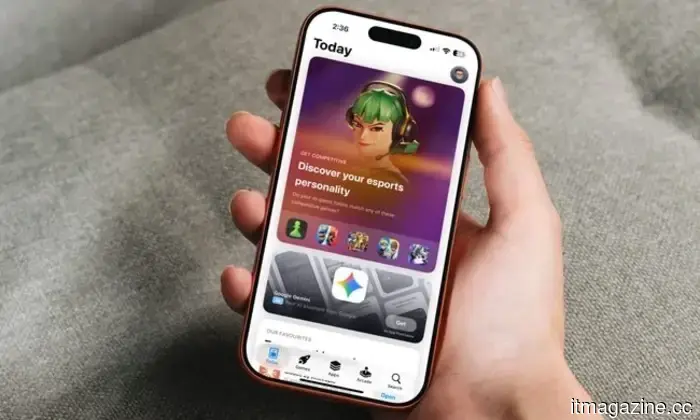
Vibecoded apps are overwhelming Apple’s App Store, and users are growing frustrated with them.
App Store submissions have surged this year, as AI tools simplify app development, but downloads have not kept up, and for good reason.
Apple's App Store is experiencing its most significant submission increase in years, with developers submitting nearly 600,000 new apps last year—a 30 percent increase over the prior year. That figure has already doubled to about 560,000 new apps within the first six months of this year, according to estimates from analytics firm Sensor Tower as reported by the New York Times. This surge is attributed to vibecoding, which enables those without prior development experience to create new apps using AI tools.
A familiar boom, but with a twist.
Google updates Snapseed Camera to allow Android users to save original photos and incorporate geotags.
Google seems to be quietly evolving Snapseed into more than just a photo editing platform. In recent weeks, the company has progressively added new functionalities to Snapseed Camera, its dedicated camera application for Android. The latest update brings two practical features that many smartphone users now expect from contemporary camera apps: the option to save an original copy of every image for future editing and the capability to embed location data directly into photos.
While neither feature is particularly flashy, together they enhance Snapseed Camera’s utility as a photography tool, especially for users who enjoy experimenting with filters without permanently modifying their original images. According to a report by 9to5Google, these features are being rolled out with Snapseed Camera version 4.1.1.x on Android.
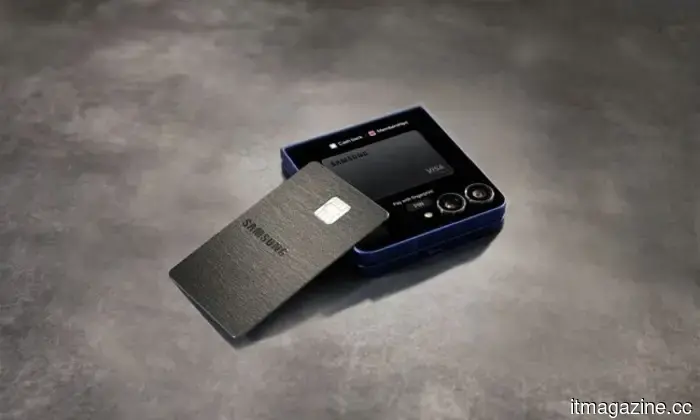
Samsung introduces the Galaxy credit card ahead of the Galaxy Unpacked event.
Samsung has been striving to transform Galaxy into more than just a smartphone brand. Today, the company's ecosystem spans foldables, smartwatches, televisions, home appliances, smart home products, and digital services. Now, it's adding another element to that ecosystem, which is not directly hardware-related.
Samsung has officially launched the Samsung Galaxy Card, its first branded credit card in the U.S. Created in collaboration with Barclays US Consumer Bank and operating on the Visa network, this card rewards users for everyday purchases while providing significantly higher cashback on expenditures made directly through Samsung.

Other articles
 Volvo is launching Apple Music for more than 2 million vehicles through a straightforward OTA update.
Volvo is introducing native support for Apple Music in more than 2 million vehicles, featuring Spatial Audio in certain models and offering free subscription promotions.
Volvo is launching Apple Music for more than 2 million vehicles through a straightforward OTA update.
Volvo is introducing native support for Apple Music in more than 2 million vehicles, featuring Spatial Audio in certain models and offering free subscription promotions.
 According to the Financial Times, China is considering implementing export restrictions on its own AI models and chips.
According to the Financial Times, China is reportedly considering imposing export restrictions on its AI models and the chips that support them, although no decisions have been made yet.
According to the Financial Times, China is considering implementing export restrictions on its own AI models and chips.
According to the Financial Times, China is reportedly considering imposing export restrictions on its AI models and the chips that support them, although no decisions have been made yet.
 Xiaohongshu took a risk with a 40-day livestream experiment during the World Cup to investigate the future of long-form content.
When Spain raised the FIFA World Cup trophy on Monday, it marked the conclusion of the 2026 tournament as well as Xiaohongshu's inaugural full-scale World Cup experience.
Xiaohongshu took a risk with a 40-day livestream experiment during the World Cup to investigate the future of long-form content.
When Spain raised the FIFA World Cup trophy on Monday, it marked the conclusion of the 2026 tournament as well as Xiaohongshu's inaugural full-scale World Cup experience.
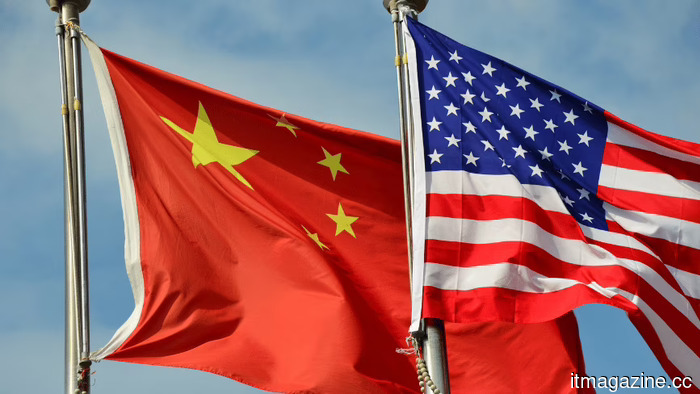 Reports indicate that the US and China are set to commence a new series of discussions regarding AI in September.
The United States and China are said to be organizing another round of discussions on AI in September, focusing on safety, governance, and the implications of chip export controls.
Reports indicate that the US and China are set to commence a new series of discussions regarding AI in September.
The United States and China are said to be organizing another round of discussions on AI in September, focusing on safety, governance, and the implications of chip export controls.
 After months of anticipation, WhatsApp’s Liquid Glass redesign is finally set to arrive on Mac.
WhatsApp has started implementing its redesign for Mac, inspired by Liquid Glass, which features an updated interface, enhanced navigation, and specific sections for Locked Chats and Communities.
After months of anticipation, WhatsApp’s Liquid Glass redesign is finally set to arrive on Mac.
WhatsApp has started implementing its redesign for Mac, inspired by Liquid Glass, which features an updated interface, enhanced navigation, and specific sections for Locked Chats and Communities.
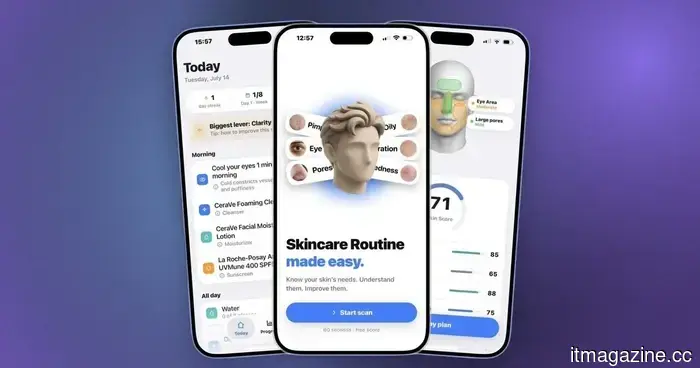 I discovered an iPhone app that creates a skincare regimen based on a 30-second facial scan.
This independent iPhone application develops a skincare routine for the morning and evening based on a facial scan, and it adjusts the routine as your scores fluctuate.
I discovered an iPhone app that creates a skincare regimen based on a 30-second facial scan.
This independent iPhone application develops a skincare routine for the morning and evening based on a facial scan, and it adjusts the routine as your scores fluctuate.
Google Photos introduces a convenient switch between AI and traditional search.
Individuals who have chosen to use Ask Photos can now toggle between results powered by Gemini and standard search results directly from the results page.