
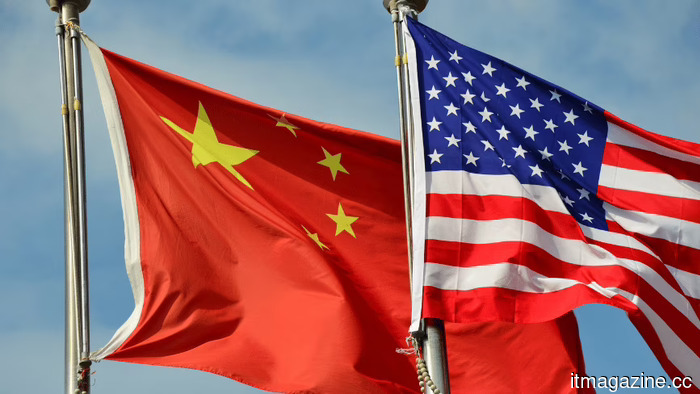
Reports indicate that the US and China are set to commence a new series of discussions regarding AI in September.
Reports indicate that the United States and China are planning to engage in a new round of discussions on artificial intelligence this September. This development signals the desire of both governments to maintain a delicate communication channel regarding the technology. The upcoming meeting would build upon a commitment established by the two leaders during their talks about AI guardrails in Beijing earlier this year, although neither government has officially announced a date.
Information surrounding the meeting remains scarce and is mainly sourced from unnamed officials rather than formal communications. However, the context is clearer, reflecting a period during which Washington and Beijing have been negotiating issues related to export controls, model security, and the regulation of AI, simultaneously cautioning each other regarding their respective AI advancements.
The foundation for this dialogue was laid in May, during President Donald Trump's visit to China, when both governments agreed to pursue intergovernmental discussions on AI. At that time, Chinese foreign ministry spokesman Guo Jiakun emphasized the need for the two "leading AI powers" to collaborate on improving the governance of the technology, while Trump characterized their discussions as efforts to create "guard rails" around it.
Since then, diplomatic efforts have progressed sporadically. Informal discussions have persisted alongside larger events such as the UN conference on AI in Geneva, where American and Chinese researchers convened to address risks associated with AI, including cyberattacks and the potential for unintended escalations. The anticipated talks in September are expected to revisit previously covered topics, with reports suggesting the agenda may focus on AI safety and governance, addressing mutual concerns regarding misuse by criminals and terrorists, as well as the complex issue of managing increasingly sophisticated models in a competitive landscape.
Officials from both nations have secretly recognized that recent advancements in AI models reinforce the necessity for some level of ongoing contact, even in the absence of strong trust. Topics surrounding chip controls are likely to dominate discussions, even if they are not officially on the agenda. China has repeatedly urged Washington to loosen restrictions on advanced semiconductors and high-bandwidth memory necessary for training cutting-edge systems, a request intertwined with broader debates regarding export controls and trade.
Throughout the year, China has sought to position itself as the more accommodating partner. President Xi Jinping stated during this summer's World AI Conference that no single nation should monopolize AI, and China has proposed forming a global governance body. Conversely, Washington has maintained its stringent controls and cautioned Chinese developers against emulating American models.
Former U.S. officials argue that renewed communication serves American interests, regardless of whether it leads to a formal agreement. Jeannette Chu, a former diplomat, has mentioned that such dialogues offer insights into China's AI direction and vulnerabilities, a viewpoint that has helped sustain the communication channel despite skepticism from both sides.
At this moment, the planned September discussions are based more on sources rather than official announcements. Neither the White House nor the Chinese foreign ministry has commented on the timing. A previous attempt to establish a sustained U.S.-China AI dialogue under the Biden administration failed after just one meeting. The durability of these talks will likely hinge on how much each side is prepared to compromise before they eventually meet, if at all. Analysts observing this process suggest that the true benefit of communication may lie in the understanding each government gains regarding the other's intentions, particularly at a time when misinterpretations could have significant consequences.
Другие статьи
 Сяохуншу рискнула, проведя 40-дневный эксперимент с трансляцией Кубка мира, чтобы исследовать будущее длинного контента.
Когда Испания подняла трофей Кубка мира ФИФА в понедельник, турнир 2026 года подошел к концу, как и первый полномасштабный Кубок мира Xiaohongshu.
Сяохуншу рискнула, проведя 40-дневный эксперимент с трансляцией Кубка мира, чтобы исследовать будущее длинного контента.
Когда Испания подняла трофей Кубка мира ФИФА в понедельник, турнир 2026 года подошел к концу, как и первый полномасштабный Кубок мира Xiaohongshu.
 Snapseed Camera теперь позволяет пользователям Android сохранять оригинальные фотографии и добавлять геотеги.
Google обновил Snapseed Camera для Android с поддержкой геотегов, сохранением оригинальных фотографий и улучшенным управлением файлами для фотографов.
Snapseed Camera теперь позволяет пользователям Android сохранять оригинальные фотографии и добавлять геотеги.
Google обновил Snapseed Camera для Android с поддержкой геотегов, сохранением оригинальных фотографий и улучшенным управлением файлами для фотографов.
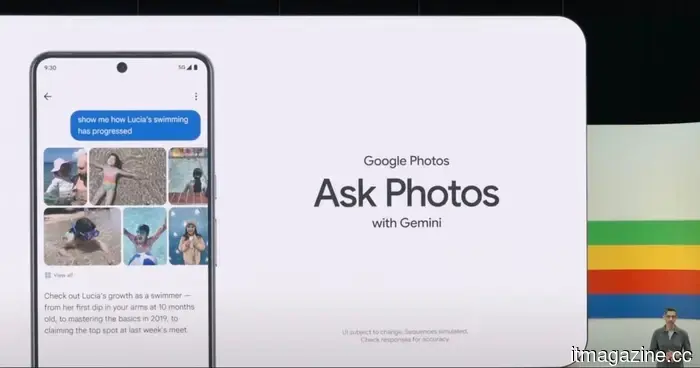 Google Photos добавляет быстрый переключатель между ИИ и классическим поиском
Люди, которые выбрали Ask Photos, теперь могут переключаться между результатами на базе Gemini и обычным поиском прямо со страницы результатов.
Google Photos добавляет быстрый переключатель между ИИ и классическим поиском
Люди, которые выбрали Ask Photos, теперь могут переключаться между результатами на базе Gemini и обычным поиском прямо со страницы результатов.
 Я нашел приложение для iPhone, которое создает уход за кожей на основе 30-секундного сканирования лица.
Это независимое приложение для iPhone создает утренний и вечерний уход за кожей на основе сканирования лица, а затем обновляет его по мере изменения ваших оценок.
Я нашел приложение для iPhone, которое создает уход за кожей на основе 30-секундного сканирования лица.
Это независимое приложение для iPhone создает утренний и вечерний уход за кожей на основе сканирования лица, а затем обновляет его по мере изменения ваших оценок.
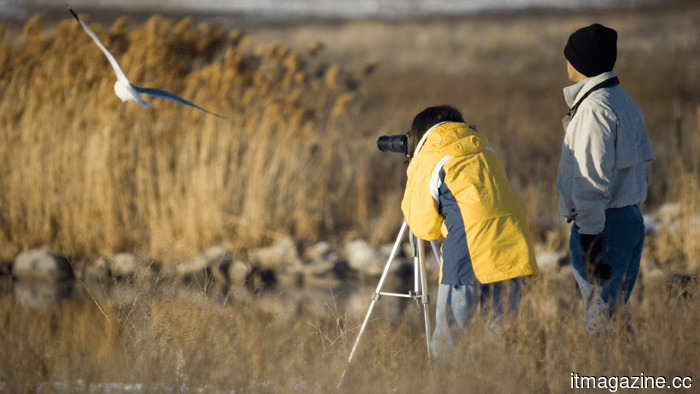 Искусственный интеллект подделывает редкие наблюдения за птицами и наносит ущерб науке
AI-редактированные фотографии создают редкие наблюдения за птицами на iNaturalist, и ученые предупреждают, что небрежность ИИ может испортить записи о биоразнообразии.
Искусственный интеллект подделывает редкие наблюдения за птицами и наносит ущерб науке
AI-редактированные фотографии создают редкие наблюдения за птицами на iNaturalist, и ученые предупреждают, что небрежность ИИ может испортить записи о биоразнообразии.
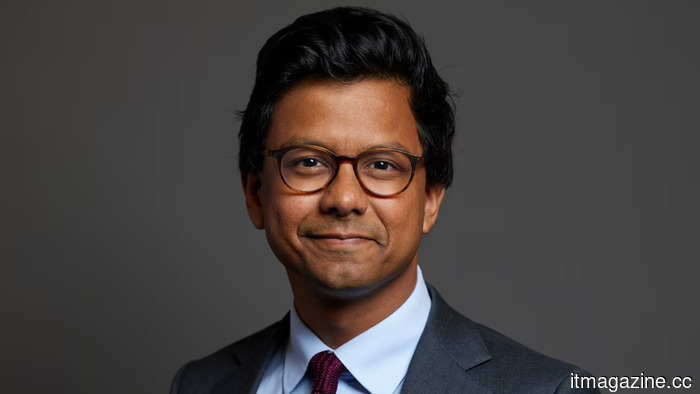 Канишка Нараян становится первым министром по искусственному интеллекту в кабинете министров Великобритании.
Канишка Нараян становится первым министром по искусственному интеллекту в Великобритании, который участвует в заседании кабинета министров, поскольку новый премьер-министр Энди Бернхэм распускает DSIT и реорганизует Уайтхолл вокруг технологий.
Канишка Нараян становится первым министром по искусственному интеллекту в кабинете министров Великобритании.
Канишка Нараян становится первым министром по искусственному интеллекту в Великобритании, который участвует в заседании кабинета министров, поскольку новый премьер-министр Энди Бернхэм распускает DSIT и реорганизует Уайтхолл вокруг технологий.
Reports indicate that the US and China are set to commence a new series of discussions regarding AI in September.
The United States and China are said to be organizing another round of discussions on AI in September, focusing on safety, governance, and the implications of chip export controls.