
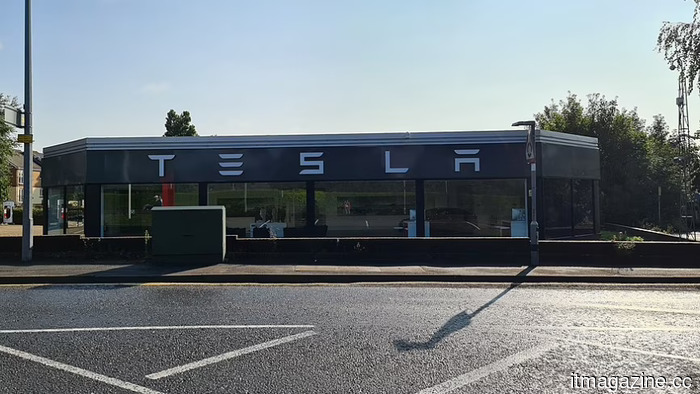
The NTSB determined that the driver who crashed a Tesla into a Texas house at 70 mph had fully depressed the accelerator.
TL;DR: The NTSB reports that the driver, not the Full Self-Driving (FSD) system, was responsible for a fatal Tesla crash in Texas, as he accelerated to full throttle on a residential street.
The driver of a Tesla that crashed into a home in Texas, resulting in the death of a 76-year-old woman, had overridden the Full Self-Driving feature by fully pressing the accelerator, according to a preliminary report from the National Transportation Safety Board released on Wednesday. The 2025 Model 3 was traveling over 70 mph in a residential area with a 30 mph speed limit in Katy, west of Houston, when it drove onto the curb and crashed through a brick wall on June 19, fatally injuring Martha Avila, who was inside the front room.
Michael Butler, the 44-year-old driver, told police he had passed out while utilizing Tesla’s driver-assistance system. However, investigators discovered internet searches on his phone, including phrases like “Tesla FSD not aggressive enough” and “Tesla FSD too timid,” raising concerns about his use of the system prior to the accident. Butler has been charged with manslaughter, and Avila’s family has filed a wrongful death lawsuit against both him and Tesla.
This finding exonerates Tesla’s FSD software for this specific incident, but the company continues to face significant scrutiny regarding its driver-assistance technology. In March, the NHTSA escalated its investigation into FSD to an engineering analysis, nearly reaching a recall order, affecting over three million vehicles after documenting crashes where the system failed to recognize poor visibility until moments before impact. Over the last decade, the agency has initiated 46 special investigations into Tesla’s self-driving or driver-assistance technology, several of which resulted in fatalities.
This incident highlights a persistent issue with FSD Supervised, where drivers can override the system by pressing the accelerator at any time. Tesla’s marketing has historically obscured the distinction between driver assistance and full autonomy. Following regulatory concerns about the initial name being misleading, Tesla rebranded the feature from “Full Self-Driving” to “Full Self-Driving (Supervised).” The company is currently facing a certified class-action lawsuit in the U.S. regarding its FSD advertising and statements made from October 2016 to August 2024.
The NTSB's conclusion coincides with remarks made shortly after the crash by Ashok Elluswamy, Tesla’s head of AI software, indicating that vehicle data confirmed the driver had manually accelerated to full throttle. The overall safety record of FSD remains debated: while the company claims one significant crash per millions of miles under FSD Supervised, its Austin robotaxi fleet has recorded accidents at about four times the human average. In a separate matter, the NHTSA opened an investigation last year into 58 instances where Teslas were reported to have breached traffic laws while employing self-driving technology, resulting in numerous crashes and injuries.
The timing is challenging for Tesla as Elon Musk plans to convert hundreds of thousands of Teslas into fully autonomous vehicles and has started marketing two-seater Cybercabs without steering wheels or pedals. Tesla is set to report its second-quarter earnings next week, with analysts anticipating a sixth straight quarter of stagnant or declining profits. The stock trades at 170 times projected earnings, significantly higher than the S&P 500 average, reflecting investor optimism in the autonomous driving vision rather than the current business performance.
Published July 16, 2026 - 8:18 pm UTC
Other articles
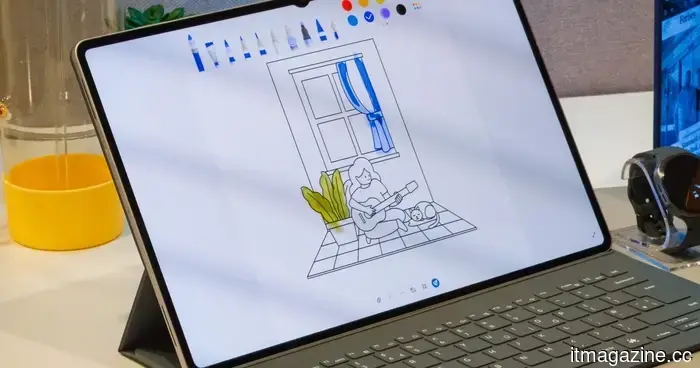 Samsung's upcoming competitor to the iPad Pro has just been revealed, showcasing a quicker chip and a persistent notch.
Samsung's Galaxy Tab S12 Ultra looks virtually identical on the outside, with the upgrade mainly relying on a quicker MediaTek processor and updated software.
Samsung's upcoming competitor to the iPad Pro has just been revealed, showcasing a quicker chip and a persistent notch.
Samsung's Galaxy Tab S12 Ultra looks virtually identical on the outside, with the upgrade mainly relying on a quicker MediaTek processor and updated software.
 This intelligent knitted material can operate switches, track your steps, and even alter its shape.
Researchers at Harvard developed a programmable knitted fabric that can alter its shape, function as electronic switches, and has the potential to power the next wave of wearable technology.
This intelligent knitted material can operate switches, track your steps, and even alter its shape.
Researchers at Harvard developed a programmable knitted fabric that can alter its shape, function as electronic switches, and has the potential to power the next wave of wearable technology.
 Personal Intelligence in Search now integrates with Google Calendar.
Google AI Mode now integrates with Calendar, enabling Search to generate events and provide responses customized to your schedule and availability.
Personal Intelligence in Search now integrates with Google Calendar.
Google AI Mode now integrates with Calendar, enabling Search to generate events and provide responses customized to your schedule and availability.
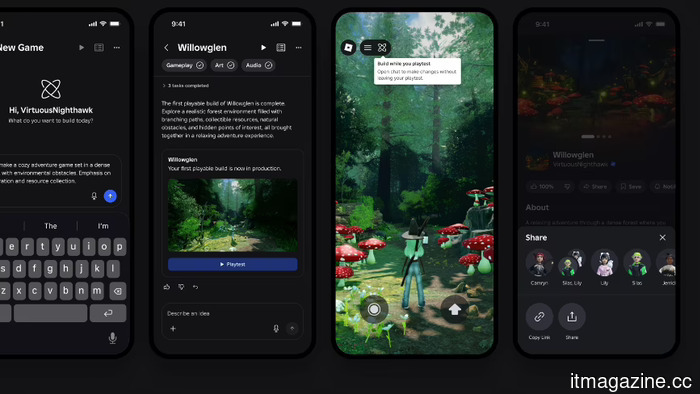 Roblox introduces Build, a mobile feature that converts text prompts into games that can be played.
The new Build tab in Roblox allows users to create a game from a text prompt on mobile devices, with alpha testing commencing on July 28 in New Zealand for users aged nine and above.
Roblox introduces Build, a mobile feature that converts text prompts into games that can be played.
The new Build tab in Roblox allows users to create a game from a text prompt on mobile devices, with alpha testing commencing on July 28 in New Zealand for users aged nine and above.
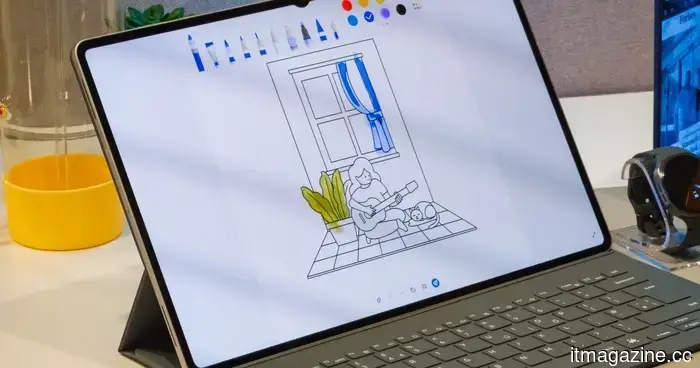 Samsung's upcoming competitor to the iPad Pro has been revealed, featuring a more powerful chip and a persistent notch.
The Galaxy Tab S12 Ultra from Samsung looks nearly identical on the outside, with the improvements coming from a quicker MediaTek processor and updated software.
Samsung's upcoming competitor to the iPad Pro has been revealed, featuring a more powerful chip and a persistent notch.
The Galaxy Tab S12 Ultra from Samsung looks nearly identical on the outside, with the improvements coming from a quicker MediaTek processor and updated software.
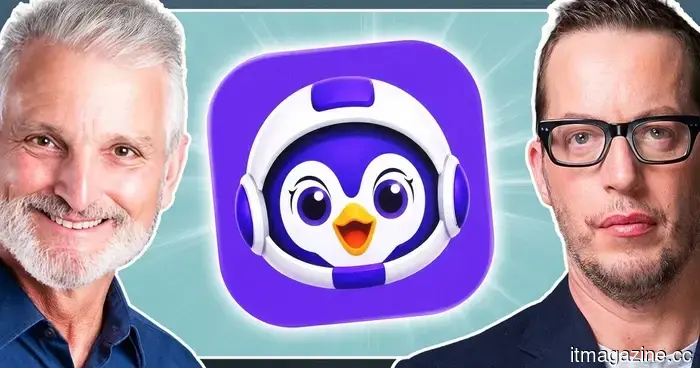 WarpSpeed Aims to Be the AI Assistant That Effectively Organizes Your Life
The majority of AI tools are designed to respond to queries or create content. WarpSpeed is adopting a unique strategy by integrating email, calendars, tasks, and messaging into a single AI-driven workspace. In a discussion with founder Martin Warner, we delve into the idea that the future of AI could focus less on chatbots and more on assisting individuals in managing their daily activities.
WarpSpeed Aims to Be the AI Assistant That Effectively Organizes Your Life
The majority of AI tools are designed to respond to queries or create content. WarpSpeed is adopting a unique strategy by integrating email, calendars, tasks, and messaging into a single AI-driven workspace. In a discussion with founder Martin Warner, we delve into the idea that the future of AI could focus less on chatbots and more on assisting individuals in managing their daily activities.
The NTSB determined that the driver who crashed a Tesla into a Texas house at 70 mph had fully depressed the accelerator.
The NTSB reports that the driver of a Tesla involved in the death of a woman in her Texas residence pressed the accelerator to its maximum, overriding the FSD on a street with a speed limit of 30 mph.