
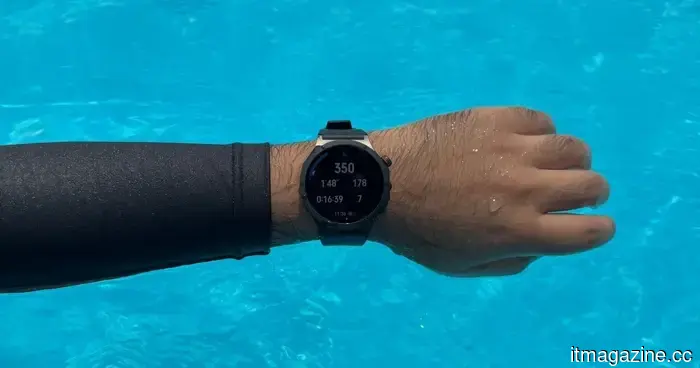
I brought this Oppo smartwatch for a swim, and it recorded everything except for my excuses.
I recently reviewed a report indicating that individuals who utilize fitness trackers and smartphone applications tend to maintain higher levels of physical activity. Although my experience is quite different from that study focusing on cardiovascular disease, I now recognize how a wearable device can transform a typical workout into something you wish to repeat.
I've been trying to get back into swimming, and the Oppo Watch X3 arrived just in time.
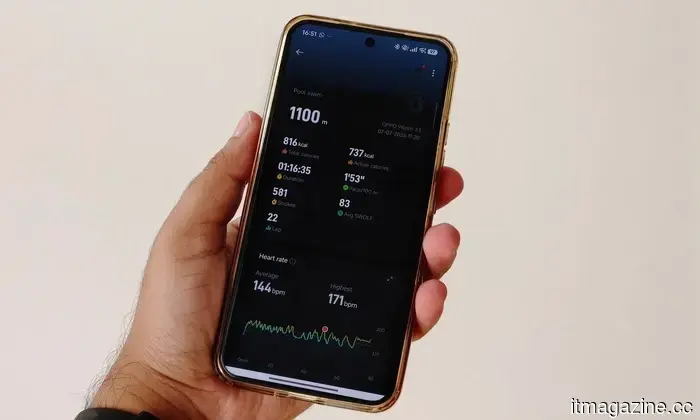
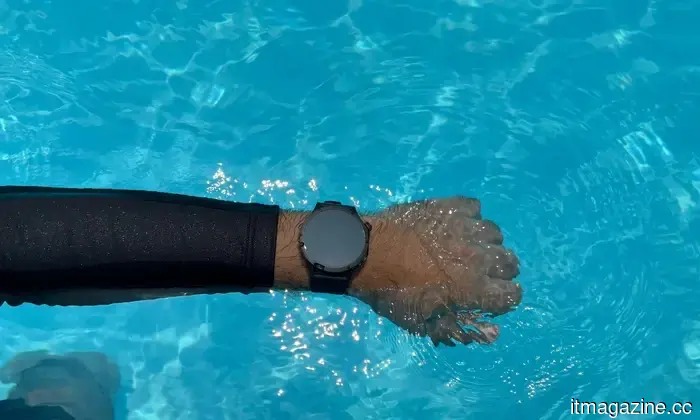
During a recent swim in a 50-meter pool, I covered 1,100 meters. The watch monitored pool lengths, distance, pace, heart rate, stroke count, rest periods, and even the various swimming strokes I used. Although my swimming technique still requires improvement, witnessing my efforts translate into progress helped me see the appeal of such a device.
I had no concerns about the watch.
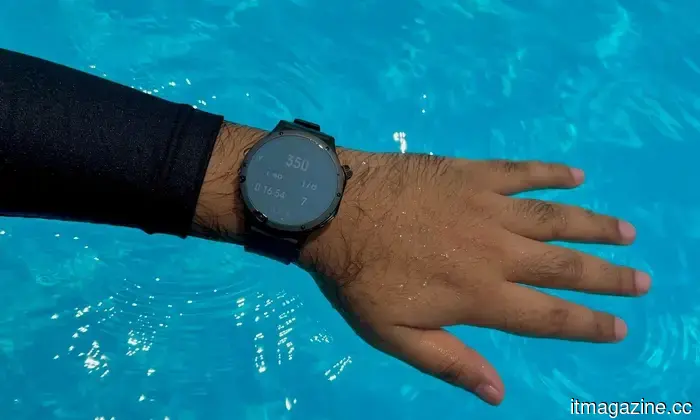
Taking an expensive smartwatch into the water requires a bit of trust. Although water resistance ratings are significant, once my wrist goes beneath the surface, it can be worrying. Nevertheless, the Watch X3 reassured me. It handled everything from random bumps to being submerged six feet under, combining durability with an elegant appearance. Its case and bezel are made of titanium alloy, and it boasts IP68, IP69, 5ATM, and MIL-STD-810H durability certifications.
The 5ATM rating is particularly crucial, as it certifies resistance to static water pressure up to 50 meters, making the watch suitable for swimming in pools. Therefore, aside from the initial laps, I didn’t feel the need to check for water damage.
It tracked much more than just distance.
The Watch X3 can automatically detect swimming, but I manually started the workout upon entering the pool. The initial setup required me to input the pool length, which I set to 50 meters, and then I got started. By the end, the watch recorded a total of 1,100 meters over 22 lengths, aligning perfectly with the pool's dimensions and the distance I knew I swam, giving me confidence in its basic tracking features.
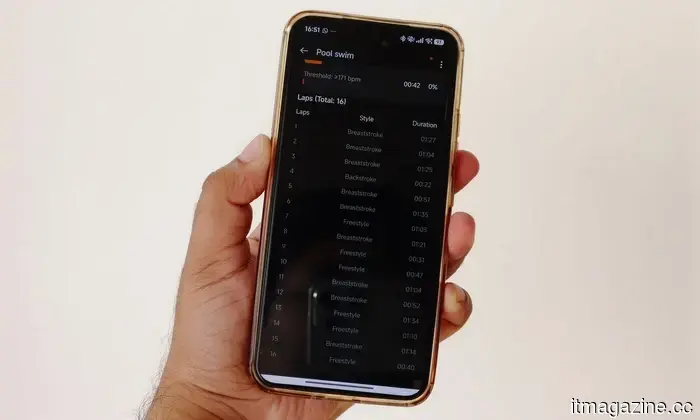
In addition to distance, the Oppo Watch X3 recorded an average pace of 1 minute and 53 seconds per 100 meters, 581 strokes, an average SWOLF score of 83, and heart-rate data throughout the session. It even recognized when I switched between breaststroke, backstroke, and freestyle. The stroke recognition feature was a pleasant surprise. While I expected decent distance tracking from a modern smartwatch, seeing the workout detailed by swimming styles added significant value, especially as I could compare the time for each length.
To make any scientific claims about the heart-rate and stroke data’s accuracy, I would have needed a chest strap, manual stroke count, and a secondary reference device. However, from a practical user’s standpoint, the information was closely aligned with my swim structure, making it genuinely helpful.
It even captured my break for conversation.
At one point, I chatted with a stranger in the pool, and that brief conversation turned into several minutes, as often happens. When my break reached five minutes, the watch automatically paused the workout, distinguishing between actual swimming and the extended breaks I took.
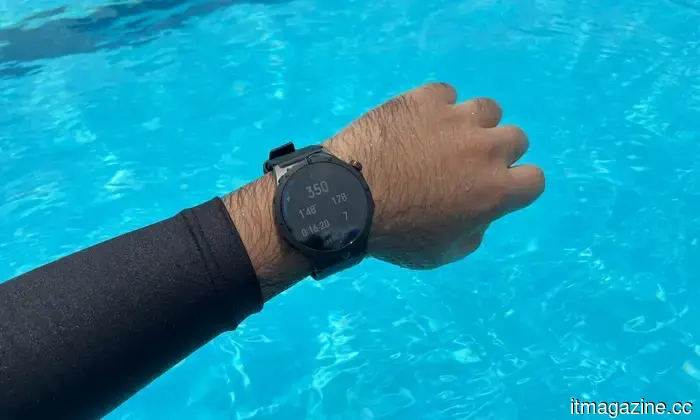
Once I resumed swimming, tracking continued seamlessly without needing to restart the workout. The watch also displayed useful information while I swam. Oppo promotes Splash Touch for using the display with wet fingers, and the touchscreen functioned well in damp conditions. However, it locks the touch input during the swimming session, although you can still navigate using the crown, and pressing the second button for two seconds exits the session.
Being able to monitor my activity in real-time motivated me more than I anticipated. A quick glance provided the information I cared about without requiring extensive interaction. I could easily check my distance, lap count, pace, activity duration, and heart rate.
A color-coded heart-rate indicator also categorized my effort into zones like warm-up, fat burning, endurance, anaerobic, and threshold. Although my swimming was not at a professional training level, the visual feedback made it easy to recognize when I was exerting myself. The display was also legible under bright poolside sunlight, which is important when water, reflections, and a bright sky compete with a relatively small screen.
The software was unobtrusive.
The Snapdragon W5 platform within the Watch X3 may not be the latest in wearable technology, yet it operated smoothly throughout my session. Starting the workout, entering the pool size, switching between data screens, and reviewing results were all seamless. Afterward, the OHealth app summarized the session clearly, displaying distance, duration, pace, calories, and more.
Fitness tracking was prioritized over menu navigation, which I found to be consistent during walks as well. My step count was typically within one or two steps of what I manually counted during brief tests. While step and swim tracking aren't exclusive to the Watch X3, the accuracy and convenience were definitely standout features.
Now I understand the motivation.
While a fitness tracker can’t swim the laps for me, enhance my technique,
Other articles
 What features define the optimal stablecoin payment solution?
A comprehensive guide to assessing stablecoin payment solutions for businesses, focusing on aspects such as acceptance, settlement, compliance, payouts, and API integration for e-commerce, SaaS, marketplaces, and international operations.
What features define the optimal stablecoin payment solution?
A comprehensive guide to assessing stablecoin payment solutions for businesses, focusing on aspects such as acceptance, settlement, compliance, payouts, and API integration for e-commerce, SaaS, marketplaces, and international operations.
 Europe's reduction of bureaucratic regulations has satisfied very few people.
The EU's push for deregulation is undermining the GDPR and postponing the AI Act, while the industry claims the process is too sluggish, and digital rights organizations argue that it is excessive.
Europe's reduction of bureaucratic regulations has satisfied very few people.
The EU's push for deregulation is undermining the GDPR and postponing the AI Act, while the industry claims the process is too sluggish, and digital rights organizations argue that it is excessive.
 1X's NEO robot is equipped with hands capable of sensing when a glass is slipping.
The NEO home robot from 1X features new tendon-driven hands that offer 25 degrees of freedom and tactile skin. It can easily detect a slipping glass, but performing actual tasks remains challenging.
1X's NEO robot is equipped with hands capable of sensing when a glass is slipping.
The NEO home robot from 1X features new tendon-driven hands that offer 25 degrees of freedom and tactile skin. It can easily detect a slipping glass, but performing actual tasks remains challenging.
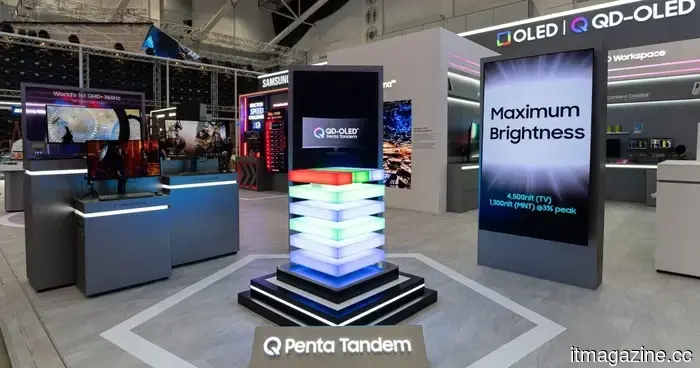 Samsung has introduced a new line of OBLYX OLED panels, set to debut in your gaming laptops shortly.
Samsung Display has launched OBLYX, its inaugural brand for OLED gaming laptops, aiming to take advantage of the swiftly increasing demand for high-end gaming screens, especially in China.
Samsung has introduced a new line of OBLYX OLED panels, set to debut in your gaming laptops shortly.
Samsung Display has launched OBLYX, its inaugural brand for OLED gaming laptops, aiming to take advantage of the swiftly increasing demand for high-end gaming screens, especially in China.
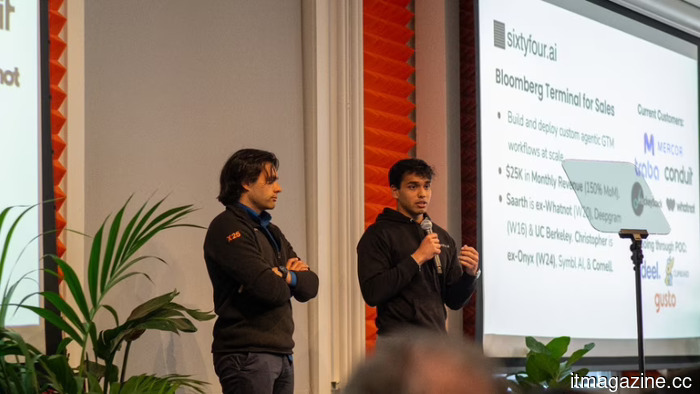 The Eval Stack: Demonstrating that the agents are correct rather than asserting it.
Sixtyfour CEO Saarth Shah discusses how his company developed AI research agents based on strict evaluation systems instead of just focusing on the fluency of language models. This approach involved creating a verification framework that demonstrates accuracy through graded benchmarks and referenced sources.
The Eval Stack: Demonstrating that the agents are correct rather than asserting it.
Sixtyfour CEO Saarth Shah discusses how his company developed AI research agents based on strict evaluation systems instead of just focusing on the fluency of language models. This approach involved creating a verification framework that demonstrates accuracy through graded benchmarks and referenced sources.
 Tracking systemic drift to bolster organizational resilience in AI.
The MPOSD framework developed by Jeffrey Rachlin and Andy Hyman outlines five structural signals that reveal when the visibility of AI governance is diminishing, enabling organizations to recognize systemic drift before disruptions become apparent.
Tracking systemic drift to bolster organizational resilience in AI.
The MPOSD framework developed by Jeffrey Rachlin and Andy Hyman outlines five structural signals that reveal when the visibility of AI governance is diminishing, enabling organizations to recognize systemic drift before disruptions become apparent.
I brought this Oppo smartwatch for a swim, and it recorded everything except for my excuses.
The Oppo Watch X3 tracked all aspects of my 1,100-meter swim, capturing my strokes, pace, heart rate, changes in technique, and even a long pause for conversation.