
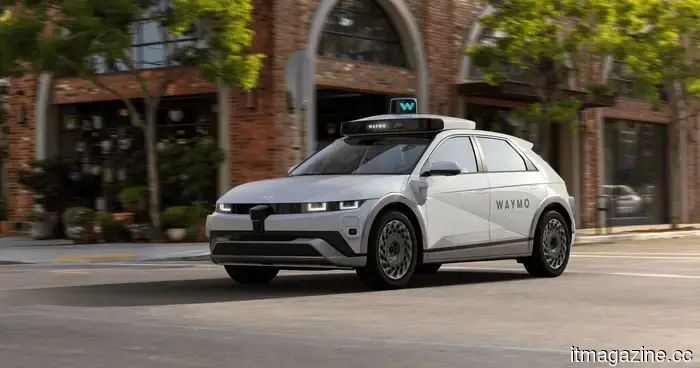
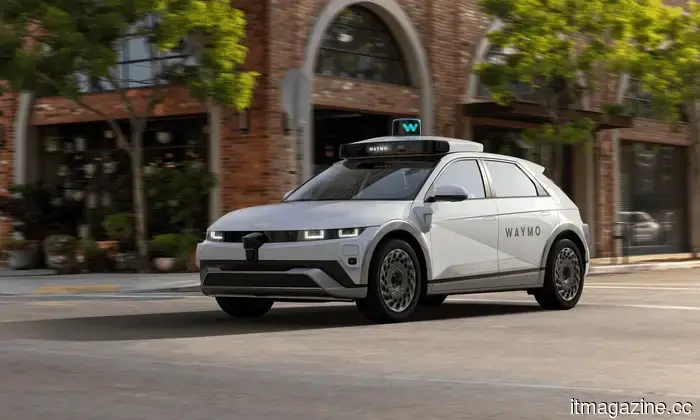
Waymo's robotaxis continue to encounter new obstacles, with construction zones being the most recent.
Digital Trends may receive a commission when purchases are made through links on our website. Why trust us?
Thirteen incidents related to construction zones, one fleet recall, and a passenger who felt the situation was dire.
Waymo has recalled its entire fleet of nearly 4,000 robotaxis to prevent them from operating on highways after discovering at least 13 cases where its vehicles entered highway sections that were closed for construction.
This marks the company's sixth recall in less than a year and follows other incidents involving flooded roads, telephone poles, chains, gates, towed trucks, and school buses.
So what actually transpired on the highways?
The incidents occurred in two phases. Six robotaxis drove past ramp-closure signs and entered active construction zones in Phoenix, Arizona, in April 2026. The software failed to detect the closure signs completely.
In May, seven additional robotaxis did the same in the San Francisco Bay Area. This time, the software focused on avoiding other hazards on the highway and overlooked the construction zone (according to TechCrunch).
A passenger's experience from May 19, reported to CBS News, illustrates the feeling inside the vehicle during these events. The rider said their robotaxi “blasted through cones,” was even pursued by police, and accelerated when it saw flashing lights.
In response, Waymo offered the passenger three complimentary rides, each valued at up to $40. The company had already ceased all highway operations on May 19, the day following the San Francisco incidents, and is currently working on a solution, as stated in NHTSA filings. However, its robotaxis are still operational on surface streets.
Should you be concerned about riding in a Waymo vehicle?
Waymo asserts that its vehicles have driven autonomously for over 170 million miles. The company also claims a 13-fold decrease in serious injury crashes compared to human drivers.
The recalls are voluntary, meaning the company is identifying, flagging, and addressing its own issues rather than waiting for regulations to be enforced.
Nevertheless, both the NHTSA and the National Transportation Safety Board are investigating Waymo's actions regarding school buses following a January incident.
A sixth recall while that investigation is ongoing is not ideal for a company planning to expand into more than 20 cities this year.
For more than five years, Shikhar has consistently simplified developments in consumer technology and presented them…
BYD’s Great Tang eSUV features 10-minute charging and a range of 590 miles, starting at $40,000.
With impressive specifications, record preorders, and not a single unit destined for America.
BYD recently introduced the Great Tang, a full-size electric SUV that offers a range comparable to traditional gasoline vehicles and takes only slightly longer to recharge. The flagship eSUV starts at around $35,500, providing stiff competition to most American electric SUVs.
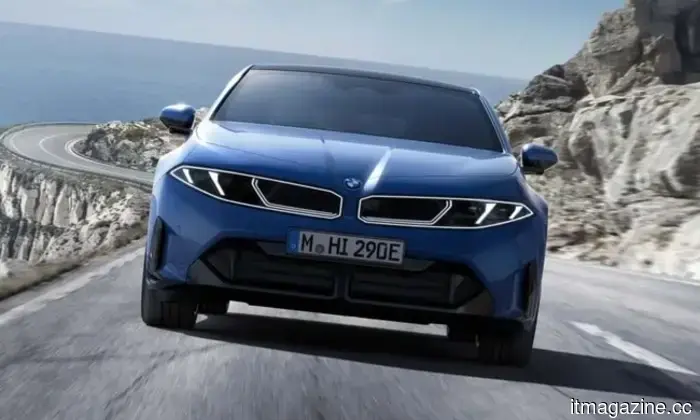
BMW is accepting orders for the i3 ahead of schedule due to increased demand.
Originally, BMW planned to start accepting orders for the new i3 sedan this fall, but the automaker has decided to open them this week instead. The reason is the kind of fortunate issue that every automaker desires—too many customers want to purchase the car, and the company felt it would be inconsiderate to make them wait.
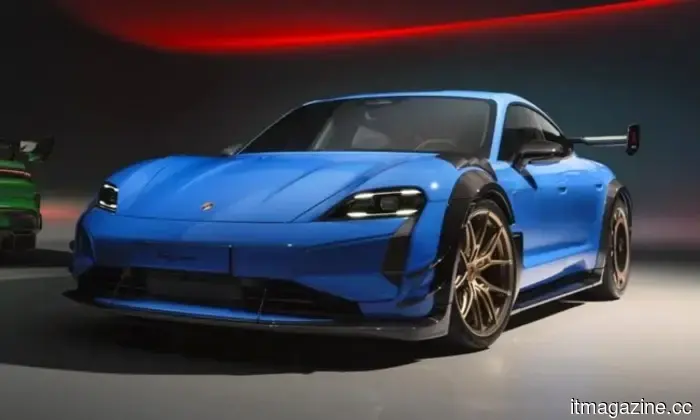
Porsche’s 2027 Taycan features virtual E-Shift gears linked to real paddle shifters.
Porsche is addressing one of the main challenges of electric vehicle hardware through software.
Although electric performance cars have become notably fast, especially in straight-line driving, they still have difficulty replicating the engaging feel of traditional sports cars. They lack the gear shifts, rev builds, and tactile feedback that give a sports car its vibrancy. Porsche believes it can resolve this with software, and the 2027 Taycan update represents its most serious effort to date. The vehicle includes E-Shift, a system that incorporates eight virtual gears operated by paddle shifters located behind the steering wheel.



Other articles
 Pre-orders for GTA 6 will begin on June 25 as Rockstar intensifies its launch campaign.
Rockstar Games has announced that pre-orders for GTA 6 will commence on June 25, providing fans with further assurance that the eagerly awaited game is still set for its November 2026 launch.
Pre-orders for GTA 6 will begin on June 25 as Rockstar intensifies its launch campaign.
Rockstar Games has announced that pre-orders for GTA 6 will commence on June 25, providing fans with further assurance that the eagerly awaited game is still set for its November 2026 launch.
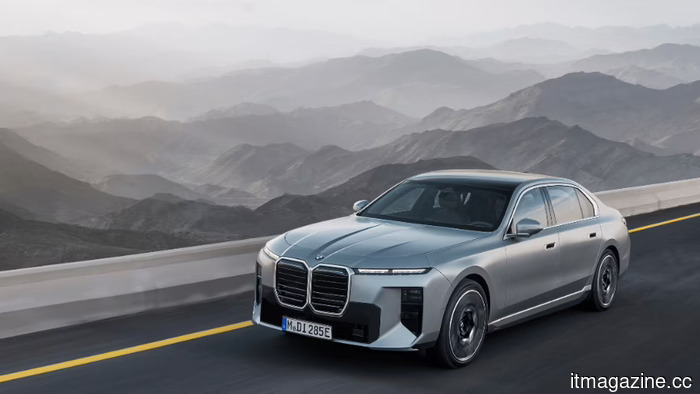 BMW cuts profit expectations as China puts pressure on Europe.
BMW has reduced its forecast for the car division's margin to as low as 1%. Chinese manufacturers now account for almost 10% of the car market in Europe, significantly impacting European profits in China.
BMW cuts profit expectations as China puts pressure on Europe.
BMW has reduced its forecast for the car division's margin to as low as 1%. Chinese manufacturers now account for almost 10% of the car market in Europe, significantly impacting European profits in China.
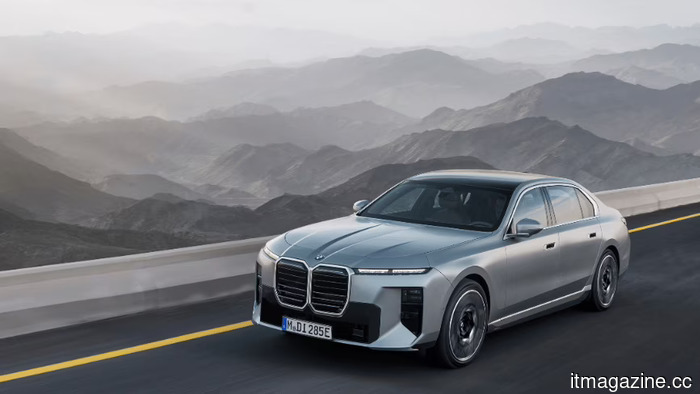 BMW cuts profit outlook as China puts pressure on Europe.
BMW has revised its forecast for the car division's profit margin down to as low as 1%. Chinese manufacturers now account for almost 10% of the car market in Europe, while significantly reducing European profits in China.
BMW cuts profit outlook as China puts pressure on Europe.
BMW has revised its forecast for the car division's profit margin down to as low as 1%. Chinese manufacturers now account for almost 10% of the car market in Europe, while significantly reducing European profits in China.
 Apple allows rival app stores on iOS in Brazil.
Apple will permit alternative app marketplaces and third-party payments in Brazil with the release of iOS 26.5, as part of a CADE antitrust agreement. These modifications are similar to the concessions made in the EU.
Apple allows rival app stores on iOS in Brazil.
Apple will permit alternative app marketplaces and third-party payments in Brazil with the release of iOS 26.5, as part of a CADE antitrust agreement. These modifications are similar to the concessions made in the EU.
 A 201-year-old mutual bank has recently established an AI Center of Excellence in collaboration with a startup partner.
Liberty Bank, the oldest mutual bank in the United States with assets amounting to $9 billion, has established an AI Center of Excellence in collaboration with enterprise AI partner Flare AI.
A 201-year-old mutual bank has recently established an AI Center of Excellence in collaboration with a startup partner.
Liberty Bank, the oldest mutual bank in the United States with assets amounting to $9 billion, has established an AI Center of Excellence in collaboration with enterprise AI partner Flare AI.
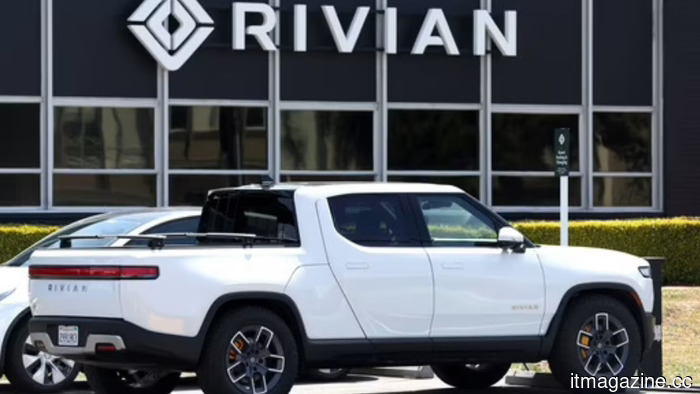 Rivian faces a lawsuit regarding misleading claims about self-driving capabilities for the Gen 1 R1.
A class action lawsuit claims that Rivian devoted five years to assuring customers of hands-free driving capabilities for its R1T and R1S vehicles, while being aware that the first-generation hardware would be incapable of supporting it.
Rivian faces a lawsuit regarding misleading claims about self-driving capabilities for the Gen 1 R1.
A class action lawsuit claims that Rivian devoted five years to assuring customers of hands-free driving capabilities for its R1T and R1S vehicles, while being aware that the first-generation hardware would be incapable of supporting it.
Waymo's robotaxis continue to encounter new obstacles, with construction zones being the most recent.
Waymo's robotaxis navigated highway construction zones 13 times before the company decided to withdraw the entire fleet from highway operations.