
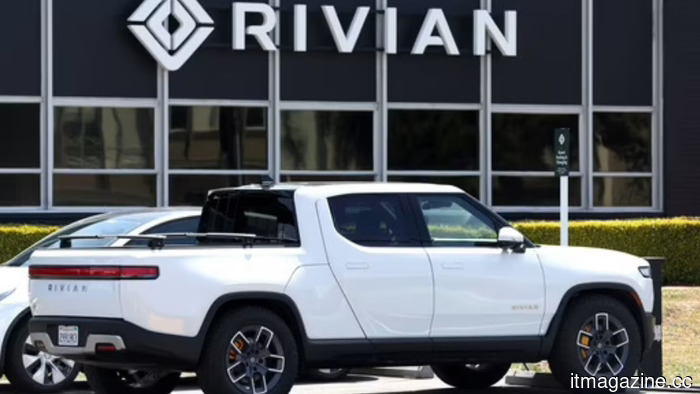
Rivian faces a lawsuit regarding misleading claims about self-driving capabilities for the Gen 1 R1.
Rivian is currently facing a class action lawsuit that accuses the company of making false claims regarding the autonomous driving features of its R1T truck and R1S SUV over a five-year period. The complaint, lodged on Wednesday in the US District Court for the Central District of California, asserts that Rivian represented its flagship models as being capable of hands-free, eyes-off driving, which is considered Level 3 autonomy by the Society of Automobile Engineers. Rivian has chosen not to comment due to the ongoing litigation.
The lawsuit focuses on Driver+, Rivian's driver assistance system, which the company allegedly promoted as a critical step toward full hands-free functionality for all its vehicles. The complaint references a “coordinated nationwide marketing campaign” that lasted five years, including remarks made by CEO RJ Scaringe at TechCrunch Disrupt in 2022. It states, “No software update, no matter how advanced, will enable its Gen 1 vehicles to perform as advertised.” The three plaintiffs, represented by Coleman Law and Tycko & Zavareei, are pursuing a jury trial on allegations of fraud, negligent misrepresentation, and unjust enrichment.
The primary accusation is that Rivian was aware that its first-generation hardware could not support the driving features it advertised, yet continued to promote them to drive sales. The first-generation R1 vehicles do not support hands-free driving and will never be able to, as their sensor suite and computing platform are insufficient for this functionality.
In contrast, Rivian’s second-generation R1 vehicles, which were revamped in 2024, do support hands-free driving. This overhaul introduced the Rivian Autonomy Platform, which is standard and includes 11 cameras, five radar sensors, and a computer that is ten times more powerful than its predecessor. In December 2025, Rivian released Universal Hands-Free via a software update exclusively for second-generation vehicles. This feature enables drivers to remove their hands from the wheel on over 3.5 million miles of roads across the United States and Canada, provided there are visible lane markings.
The crux of the lawsuit's argument is that this capability always required hardware that the first-generation vehicles lacked, and Rivian was aware of this limitation.
Rivian is not alone in facing legal scrutiny over self-driving claims. Tesla has spent a decade asserting that its vehicles would achieve full autonomy through its Full Self-Driving software, leading to lawsuits from several owners for failing to provide unsupervised driving. A California administrative law judge ruled in December 2025 that Tesla’s marketing of Autopilot was “a long but unlawful tradition” of using vague language to mislead consumers, and the company has also been found to have provided misleading safety data to European regulators regarding its driving systems. Following this, Tesla removed the “Autopilot” label from its marketing in California but has since sued the DMV to contest the false advertising ruling. Even some engineers who trained Tesla's self-driving AI have expressed reluctance to ride in it. Waymo, considered a leader in autonomous driving, has issued six recalls as its robotaxis encountered scenarios their software could not navigate.
This isn’t Rivian’s first significant legal challenge. In October 2025, the company agreed to a $250 million settlement for a class action shareholder lawsuit after it unexpectedly raised prices on R1 models by nearly 20% in 2022.
While this new lawsuit addresses a different issue, it poses the same fundamental question: to what extent can automakers promote capabilities that are not yet available, and whether consumers are essentially paying for technology that the manufacturers know they cannot provide in the vehicles they are purchasing.
Other articles
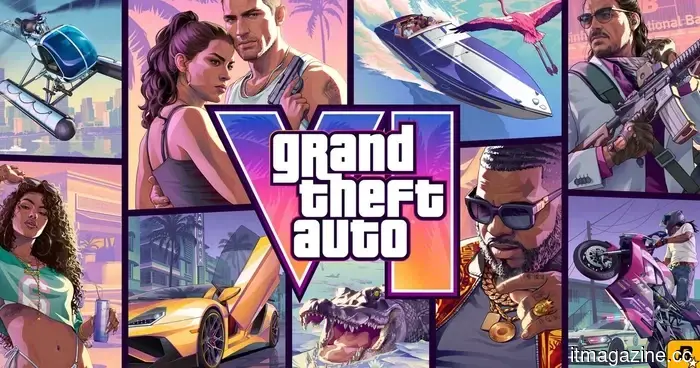 Pre-orders for GTA 6 will begin on June 25 as Rockstar intensifies its marketing efforts for the game's launch.
Rockstar Games has announced that pre-orders for GTA 6 will begin on June 25, providing fans with further assurance that the eagerly awaited game is still set for its November 2026 launch.
Pre-orders for GTA 6 will begin on June 25 as Rockstar intensifies its marketing efforts for the game's launch.
Rockstar Games has announced that pre-orders for GTA 6 will begin on June 25, providing fans with further assurance that the eagerly awaited game is still set for its November 2026 launch.
 Spotify introduces Reserved ticketing for dedicated fans.
Spotify's Reserved feature retains concert tickets for Premium subscribers, utilizing listening data, and is debuting in the US via a multi-year exclusive agreement with Live Nation.
Spotify introduces Reserved ticketing for dedicated fans.
Spotify's Reserved feature retains concert tickets for Premium subscribers, utilizing listening data, and is debuting in the US via a multi-year exclusive agreement with Live Nation.
 Ford introduces a $2 billion battery storage division for AI data centers.
Ford Energy will produce grid-scale LFP battery systems at a reconfigured plant in Kentucky, with the initial deliveries set for late 2027. EDF has entered into a five-year agreement for as much as 20 GWh.
Ford introduces a $2 billion battery storage division for AI data centers.
Ford Energy will produce grid-scale LFP battery systems at a reconfigured plant in Kentucky, with the initial deliveries set for late 2027. EDF has entered into a five-year agreement for as much as 20 GWh.
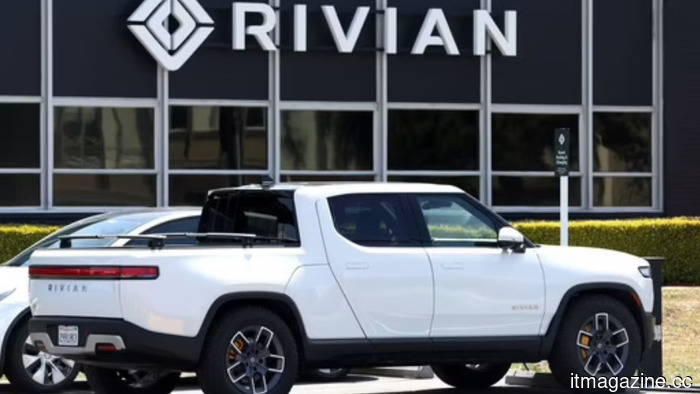 Rivian faces a lawsuit for making misleading claims about the self-driving capabilities of its first-generation R1.
A class action claims that Rivian spent five years guaranteeing hands-free driving for its R1T and R1S models, despite being aware that the first-generation hardware would never be able to support such features.
Rivian faces a lawsuit for making misleading claims about the self-driving capabilities of its first-generation R1.
A class action claims that Rivian spent five years guaranteeing hands-free driving for its R1T and R1S models, despite being aware that the first-generation hardware would never be able to support such features.
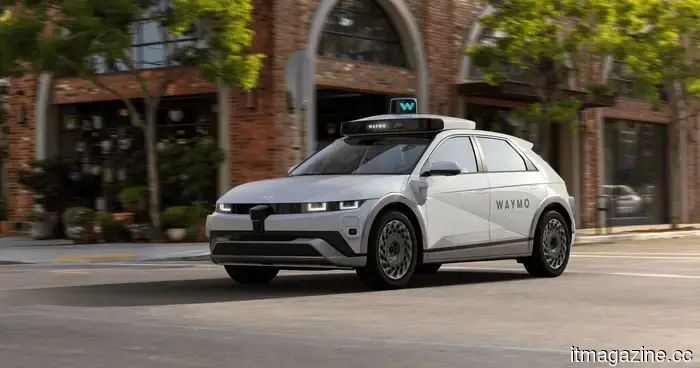 Waymo's robotaxis continue to encounter new obstacles, with construction zones being the most recent.
Waymo's robotaxis navigated highway construction zones 13 times before the company decided to withdraw the entire fleet from highway operations.
Waymo's robotaxis continue to encounter new obstacles, with construction zones being the most recent.
Waymo's robotaxis navigated highway construction zones 13 times before the company decided to withdraw the entire fleet from highway operations.
 Honor's latest Watch 6 offers battery life that Apple Watch users can only wish for.
The Honor Watch 6 is set to launch worldwide, boasting a battery life of 35 days, a vibrant display, wet touch controls, and specific tracking modes for football and badminton.
Honor's latest Watch 6 offers battery life that Apple Watch users can only wish for.
The Honor Watch 6 is set to launch worldwide, boasting a battery life of 35 days, a vibrant display, wet touch controls, and specific tracking modes for football and badminton.
Rivian faces a lawsuit regarding misleading claims about self-driving capabilities for the Gen 1 R1.
A class action lawsuit claims that Rivian devoted five years to assuring customers of hands-free driving capabilities for its R1T and R1S vehicles, while being aware that the first-generation hardware would be incapable of supporting it.