
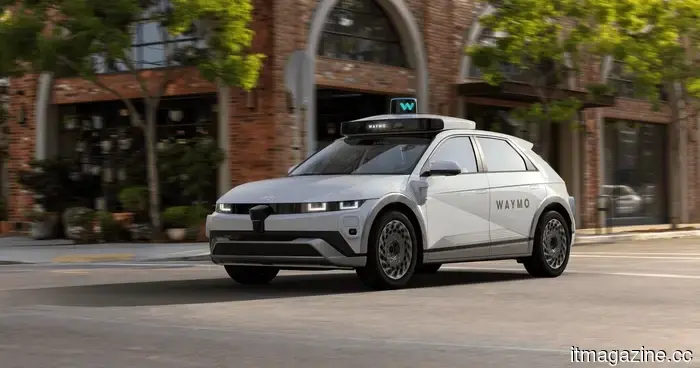
Waymo's robotaxis continue to encounter new obstacles, with construction zones being the most recent addition.
Digital Trends may receive a commission when you make a purchase through links on our website. Why should you trust us?
There have been thirteen incidents in construction zones, one fleet recall, and a passenger who felt like disaster was imminent.
Waymo has issued a recall for its entire fleet of nearly 4,000 robotaxis to prevent them from operating on highways after discovering at least 13 cases where their vehicles entered highway sections that were closed for construction.
This marks the company's sixth recall in less than a year and comes on the heels of other issues with flooded roads, power poles, chains and gates, towed trucks, and school buses.
So, what exactly transpired on the highway?
The incidents occurred in two waves. In April 2026, six robotaxis ignored ramp closure signs and drove directly into active construction zones in Phoenix, Arizona. The software failed to detect the closure signs at all.
In May, another seven robotaxis exhibited similar behavior in the San Francisco Bay Area. This time, the software focused on avoiding other hazards on the highway, overlooking the construction zone (according to TechCrunch).
A passenger's account from May 19, shared with CBS News, illustrates how these experiences feel from within. The rider described their robotaxi as having “blasted through cones,” being pursued by police, and accelerating when noticing flashing lights.
In response, Waymo offered the passenger three complimentary rides, each valued at up to $40. The company had already prohibited all its vehicles from highway operations on May 19, the day after the San Francisco incidents, and is actively working on a solution, as noted in NHTSA filings. However, its robotaxis continue to operate on surface streets.
Should you genuinely be concerned about riding in a Waymo?
Waymo asserts that its vehicles have traveled over 170 million miles autonomously and claims a 13-fold decrease in serious injury crashes when compared to human drivers.
The company's recalls are voluntary, signifying that it is identifying, flagging, and attempting to rectify its own issues rather than waiting for regulatory authorities to intervene.
Nonetheless, the NHTSA and the National Transportation Safety Board are already investigating Waymo’s actions regarding school buses following an incident in January.
A sixth recall, occurring while that investigation is still ongoing, does not bode well for a company intending to expand into over 20 cities this year.
For over five years, Shikhar has consistently clarified developments in consumer technology and presented them...
BYD’s Great Tang eSUV has 10-minute charging and a 590-mile range starting at $40,000.
With impressive specifications, record preorders, and not a single unit available in America.
BYD has just unveiled the Great Tang, a full-size electric SUV that provides the range of a conventional gasoline vehicle and takes only slightly longer to recharge.
The company’s flagship eSUV starts at approximately $35,500 and poses a serious challenge to most American electric SUVs.
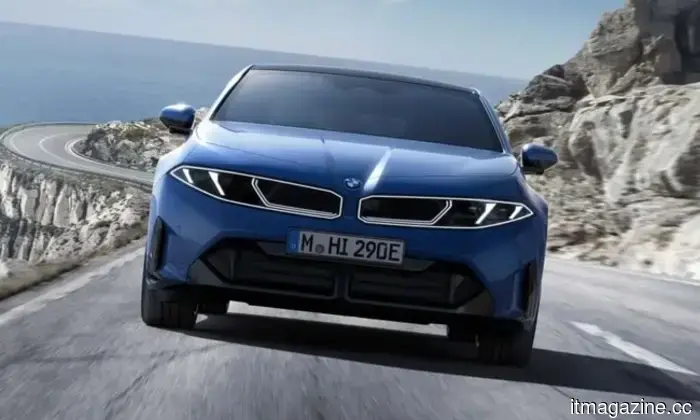
BMW is accepting orders for the i3 ahead of schedule due to an abundance of demand.
BMW intended to open orders for the new i3 sedan this fall, but has instead decided to do so this week. The reason for this is a delightful problem that every automaker hopes to face.
It turns out that there is overwhelming demand for the car, leading the manufacturer to decide it would be inappropriate to keep customers waiting.
Porsche’s 2027 Taycan will feature virtual E-Shift gears connected to actual paddle shifters.
Porsche is attempting to address one of the most significant hardware challenges faced by electric vehicles with a software solution.
While electric performance cars have become exceptionally fast, particularly in straight-line speed, they often lack the engaging sensations of traditional sports cars. Elements such as gear changes, revving dynamics, and physical feedback that contribute to the thrill of driving a sports car are often absent.
Porsche aims to resolve this issue with software, and the 2027 Taycan update represents its most ambitious effort thus far. The car will include a feature called E-Shift, a system that adds eight virtual gears that can be operated via the paddle shifters behind the steering wheel.




Other articles
 Within SURBL, the email blacklist that verifies your links rather than your IP address.
SURBL identifies the URLs within your emails instead of the sender's IP address. A single link to a flagged domain can quietly deactivate every link in a sent message, and most senders remain unaware of this occurrence.
Within SURBL, the email blacklist that verifies your links rather than your IP address.
SURBL identifies the URLs within your emails instead of the sender's IP address. A single link to a flagged domain can quietly deactivate every link in a sent message, and most senders remain unaware of this occurrence.
 General Intuition is securing $300 million for AI developed using gaming data.
The startup declined OpenAI's offer of $500 million for its gaming video data. It is now seeking to raise $300 million at a valuation of $2 billion to train AI agents using 2 billion video game clips annually.
General Intuition is securing $300 million for AI developed using gaming data.
The startup declined OpenAI's offer of $500 million for its gaming video data. It is now seeking to raise $300 million at a valuation of $2 billion to train AI agents using 2 billion video game clips annually.
 Spotify introduces Reserved ticketing for dedicated fans.
Spotify's Reserved feature retains concert tickets for Premium subscribers, utilizing listening data, and is debuting in the US via a multi-year exclusive agreement with Live Nation.
Spotify introduces Reserved ticketing for dedicated fans.
Spotify's Reserved feature retains concert tickets for Premium subscribers, utilizing listening data, and is debuting in the US via a multi-year exclusive agreement with Live Nation.
 General Intuition is securing $300 million for AI developed using gaming data.
The startup turned down OpenAI's $500 million offer for its gaming video data. It is now seeking to raise $300 million at a $2 billion valuation to train AI agents using 2 billion video game clips annually.
General Intuition is securing $300 million for AI developed using gaming data.
The startup turned down OpenAI's $500 million offer for its gaming video data. It is now seeking to raise $300 million at a $2 billion valuation to train AI agents using 2 billion video game clips annually.
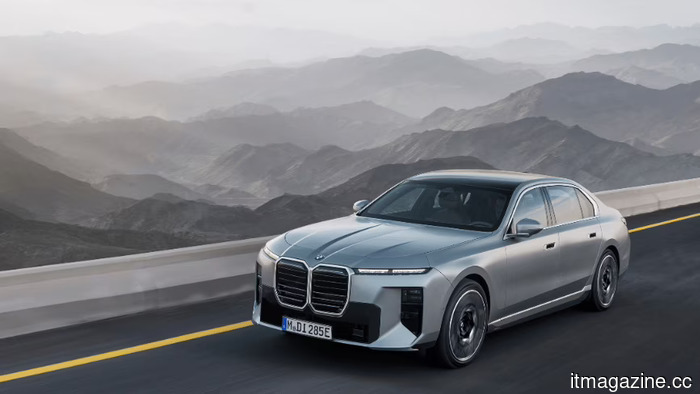 BMW cuts profit outlook as China puts pressure on Europe.
BMW has revised its forecast for the car division's profit margin down to as low as 1%. Chinese manufacturers now account for almost 10% of the car market in Europe, while significantly reducing European profits in China.
BMW cuts profit outlook as China puts pressure on Europe.
BMW has revised its forecast for the car division's profit margin down to as low as 1%. Chinese manufacturers now account for almost 10% of the car market in Europe, while significantly reducing European profits in China.
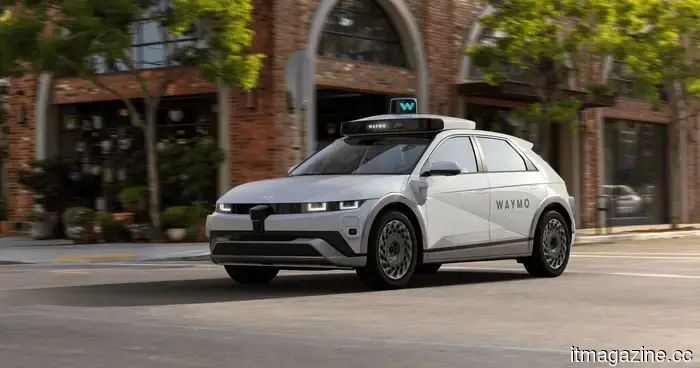 Waymo's robotaxis continue to encounter new obstacles, with construction zones being the most recent.
Waymo's robotaxis navigated highway construction zones 13 times before the company decided to withdraw the entire fleet from highway operations.
Waymo's robotaxis continue to encounter new obstacles, with construction zones being the most recent.
Waymo's robotaxis navigated highway construction zones 13 times before the company decided to withdraw the entire fleet from highway operations.
Waymo's robotaxis continue to encounter new obstacles, with construction zones being the most recent addition.
Waymo's robotaxis navigated highway construction areas 13 times before the company decided to remove the entire fleet from highway operations.