
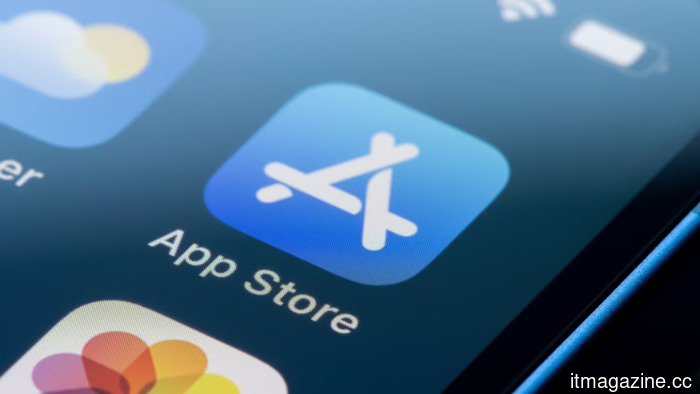
Apple allows rival app stores on iOS in Brazil.
Apple is set to open iOS to alternative app marketplaces and third-party payment processing in Brazil, following an antitrust settlement with CADE in December 2025. These changes will be implemented with iOS 26.5 and reflect a model similar to what Apple adopted in the EU under the Digital Markets Act.
On Wednesday, Apple revealed updates to iOS in Brazil that will enable developers to distribute apps via alternative marketplaces, run their own app stores, and manage payment processing for digital products independently from Apple’s In-App Purchase system. This new approach is a result of the settlement with Brazil’s competition authority, CADE.
Brazil joins the EU, Japan, and South Korea as regions where Apple has been required to permit third-party app distribution. The trend shows that when regulators confront Apple’s control over its ecosystem, the company responds by complying while also introducing new fees and restrictions that reduce the attractiveness of the alternatives.
Changes
Developers from Brazil who are part of the Apple Developer Program can now use alternative marketplaces for app distribution, which must first receive authorization. All apps released outside the App Store will still be subject to Apple's Notarisation review, which includes automated and manual checks for malware.
Additionally, developers can now utilize their own payment processing systems for digital goods, avoiding Apple's In-App Purchase system. In Brazil, Apple's new fee structure sets the App Store commission at 25%, or 10% for qualifying developers, with an extra 5% fee for those using Apple's payment system.
Users will not be able to sideload apps directly from the internet. All apps distributed outside the App Store must come from a registered alternative marketplace, mirroring the approach Apple has taken in the EU, where sideloading is restricted to approved third-party stores.
The CADE Settlement
CADE granted its approval for the settlement in December 2025, allowing Apple 105 days to enact the changes. The regulator had been examining Apple for potentially anti-competitive practices related to its App Store policies, such as the mandate that developers use Apple's payment processing and the ban on guiding users to external purchasing alternatives.
Failing to comply may result in fines of up to $27 million. All current members of the Apple Developer Program must accept an updated license agreement by July 6, 2026.
A Global Trend
Apple's concessions in the EU under the Digital Markets Act established a model that Turkey’s settlement largely mirrors. The EU mandated that Apple permit third-party app stores and alternative payment options, but European regulators have since identified that Apple continues to breach these rules by restricting developers from transparently directing consumers to cheaper options.
The EU experience indicates that allowing alternative distribution is merely a first step. Developers have mixed feelings about the commercial value of these changes, as Apple’s new fee structures often make it unfeasible for smaller businesses to distribute apps outside the App Store.
Apple has highlighted child safety measures as part of the implementation in Brazil, including content restrictions and fraud prevention efforts. The company is also providing 30-minute online consultations for developers with inquiries about these changes.
A key concern remains whether Brazilian regulators will enforce the settlement more stringently than those in the EU. The argument in favor of alternative app stores is conceptually strong, but Apple’s past behavior indicates it will employ all methods available to keep its App Store as the most convenient option.
Other articles
 Ford introduces a $2 billion battery storage division for AI data centers.
Ford Energy plans to produce grid-scale LFP battery systems at a refurbished plant in Kentucky, with initial deliveries expected by late 2027. EDF has entered into a five-year agreement for up to 20 GWh.
Ford introduces a $2 billion battery storage division for AI data centers.
Ford Energy plans to produce grid-scale LFP battery systems at a refurbished plant in Kentucky, with initial deliveries expected by late 2027. EDF has entered into a five-year agreement for up to 20 GWh.
 GTA 6 might be quite some time away, which is why Rockstar has refreshed GTA 5.
Rockstar has launched a complimentary update for GTA 5 owners, introducing improved graphics, quicker loading times, new vehicles, and next-generation features for PC users in anticipation of GTA 6.
GTA 6 might be quite some time away, which is why Rockstar has refreshed GTA 5.
Rockstar has launched a complimentary update for GTA 5 owners, introducing improved graphics, quicker loading times, new vehicles, and next-generation features for PC users in anticipation of GTA 6.
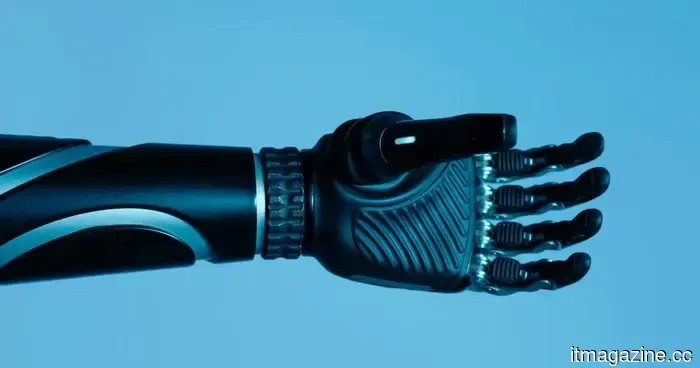 Experts at MIT have created a unique memory system. While humans may forget, robots will simply retrieve the forgotten item.
Researchers at MIT have created an AI memory system enabling robots to retain information about objects, locations, and details from real-world settings over time.
Experts at MIT have created a unique memory system. While humans may forget, robots will simply retrieve the forgotten item.
Researchers at MIT have created an AI memory system enabling robots to retain information about objects, locations, and details from real-world settings over time.
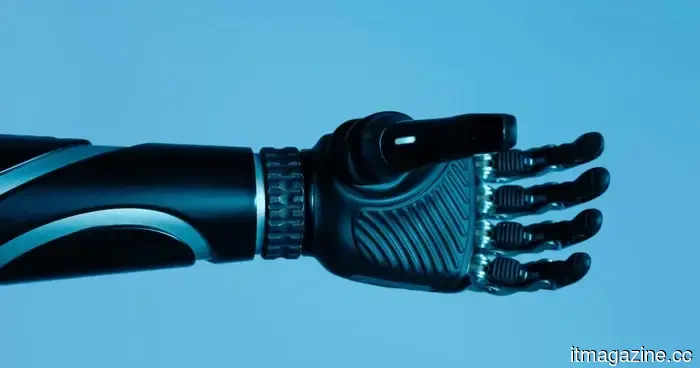 MIT specialists have created a unique memory system. While humans may forget, robots will simply retrieve the forgotten item.
Researchers at MIT have created an AI memory system that enables robots to retain information about objects, places, and specifics from real-world settings over time.
MIT specialists have created a unique memory system. While humans may forget, robots will simply retrieve the forgotten item.
Researchers at MIT have created an AI memory system that enables robots to retain information about objects, places, and specifics from real-world settings over time.
 A mutual bank that has been in operation for 201 years has recently established an AI Center of Excellence in collaboration with a startup partner.
Liberty Bank, the oldest mutual bank in the United States with $9 billion in assets, has established an AI Center of Excellence in collaboration with enterprise AI partner Flare AI.
A mutual bank that has been in operation for 201 years has recently established an AI Center of Excellence in collaboration with a startup partner.
Liberty Bank, the oldest mutual bank in the United States with $9 billion in assets, has established an AI Center of Excellence in collaboration with enterprise AI partner Flare AI.
 FERC accelerates the process for connecting data centers to the grid.
FERC instructed grid operators to expedite the connection of data centers to the grid. Meanwhile, the Trump administration allocated $765 million on the same day to terminate offshore wind leases.
FERC accelerates the process for connecting data centers to the grid.
FERC instructed grid operators to expedite the connection of data centers to the grid. Meanwhile, the Trump administration allocated $765 million on the same day to terminate offshore wind leases.
Apple allows rival app stores on iOS in Brazil.
Apple will permit alternative app marketplaces and third-party payments in Brazil with the release of iOS 26.5, as part of a CADE antitrust agreement. These modifications are similar to the concessions made in the EU.