
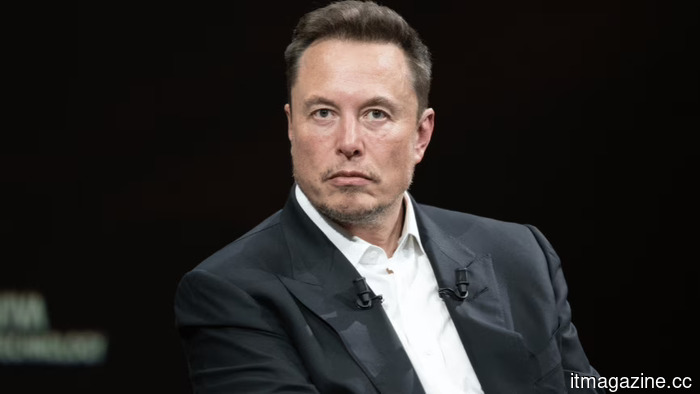
SpaceX’s rising stock value makes it less expensive to pursue acquisitions.
SpaceX's stock has jumped nearly 50% since its IPO at $135, making its all-stock acquisition of Cursor worth $60 billion less dilutive. Bill Ackman highlighted that this dynamic is a key component of SpaceX's value, as companies like Anthropic and OpenAI are also looking to file for IPOs.
On June 12, SpaceX set its IPO price at $135 per share. Just five days later, the stock rose by almost 50%, allowing SpaceX to overtake Amazon and become the fifth most valuable public company globally, valued at around $2.66 trillion.
This stock surge benefits shareholders and also lowers acquisition costs.
Regarding the Cursor acquisition, SpaceX announced on Monday that it would purchase the AI coding startup for $60 billion in an all-stock deal. The agreement, initially made in April, allowed SpaceX 30 days post-IPO to finalize details. It took them only three days. Since the acquisition is entirely stock-based, each percentage point increase in the share price means SpaceX needs to issue fewer shares.
The final number of shares won’t be determined until just before closing, which is expected in the third quarter. However, if the stock maintains its current price, SpaceX could issue about one-third fewer shares compared to what would have been necessary at the IPO price.
Billionaire investor Bill Ackman quickly recognized this situation, stating on X that the acquisition costs significantly less in dilution due to SpaceX's high valuation. He emphasized that SpaceX's capacity to make "economically, strategically, and technologically accretive acquisitions" is a fundamental aspect of its value.
This situation creates a positive feedback loop: a high stock price lowers dilution costs for deals, enhancing the value of the combined entity, which further boosts the stock price, thereby reducing costs for future acquisitions.
Some critics questioned whether SpaceX's valuation was warranted before its IPO, but the counterpoint is that substantial size combined with a rising stock is a strategic asset in itself.
Cursor, the company being acquired, is not a gamble; its AI coding tool achieved $2 billion in annual recurring revenue in just three years, making it the fastest B2B scaling recorded, with over one million paying customers and 70% of Fortune 1,000 companies in its client base. Founded by four MIT alumni, including 25-year-old CEO Michael Truell, Cursor sparked the "vibe coding" trend, allowing developers to describe their needs while AI agents generate the code. The acquisition will integrate into xAI, the artificial intelligence firm SpaceX acquired in a $1.25 trillion all-stock merger in February.
Following the announcement of the Cursor deal, SpaceX’s stock rose, which is unusual for companies making acquisitions. The market appears to view this acquisition as positive rather than dilutive.
SpaceX isn't alone in pursuing this approach. Anthropic filed for a confidential IPO on June 1 with a valuation nearing $965 billion, followed by OpenAI a week later. Both firms have high private valuations but do not have the liquid stock necessary for acquisitions of SpaceX's magnitude, which going public would change.
All-stock transactions have their risks; if SpaceX's share price declines, it would need to issue more stock for the same deal, further diluting existing shareholders, and companies run by Musk are also susceptible to market volatility. Nevertheless, for now, the market is granting SpaceX an asset that grows even as it spends, presenting a significant advantage over competitors still reliant on private market promises.
Other articles
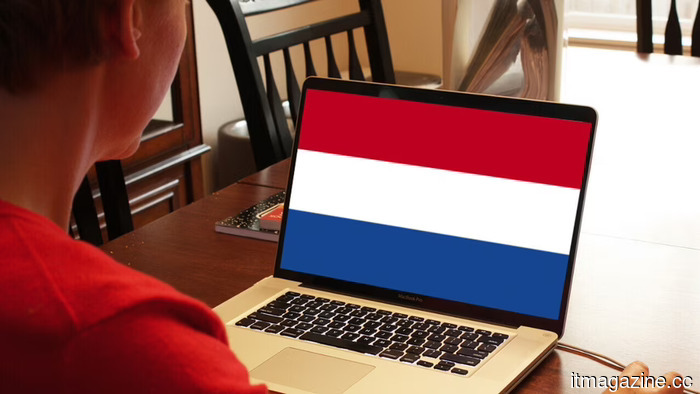 One million Dutch people depend solely on social media for their news.
The 2026 Digital News Report reveals that 7% of Dutch adults rely exclusively on social media for news, an increase from 2% in 2018, although trust and interest are still declining.
One million Dutch people depend solely on social media for their news.
The 2026 Digital News Report reveals that 7% of Dutch adults rely exclusively on social media for news, an increase from 2% in 2018, although trust and interest are still declining.
 Fifty percent of Americans currently utilize AI chatbots, yet 40% believe that AI will have a negative impact on society, and two-thirds lack confidence in the government's ability to regulate it.
A survey conducted by Pew Research involving 5,119 adults in the US revealed that 49% utilize AI chatbots, while 40% anticipate that AI will have a negative impact on society, and 67% express low confidence in the government's ability to provide oversight.
Fifty percent of Americans currently utilize AI chatbots, yet 40% believe that AI will have a negative impact on society, and two-thirds lack confidence in the government's ability to regulate it.
A survey conducted by Pew Research involving 5,119 adults in the US revealed that 49% utilize AI chatbots, while 40% anticipate that AI will have a negative impact on society, and 67% express low confidence in the government's ability to provide oversight.
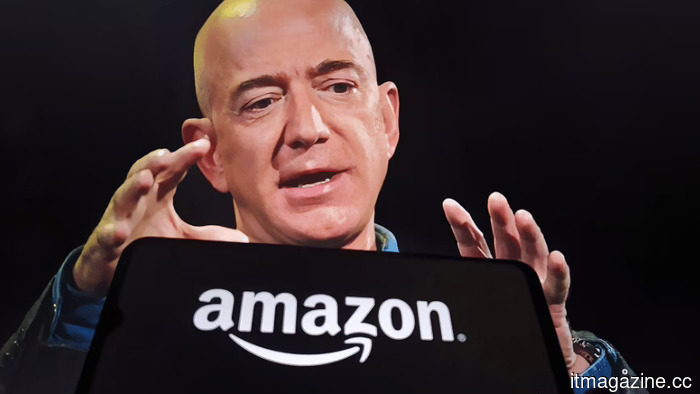 Amazon's AI leader acknowledges that their models are behind those of OpenAI and Anthropic.
Peter DeSantis states that Amazon's AI models "haven't been at the forefront" and expresses a desire to bridge the gap within a year, utilizing custom chips and proprietary data.
Amazon's AI leader acknowledges that their models are behind those of OpenAI and Anthropic.
Peter DeSantis states that Amazon's AI models "haven't been at the forefront" and expresses a desire to bridge the gap within a year, utilizing custom chips and proprietary data.
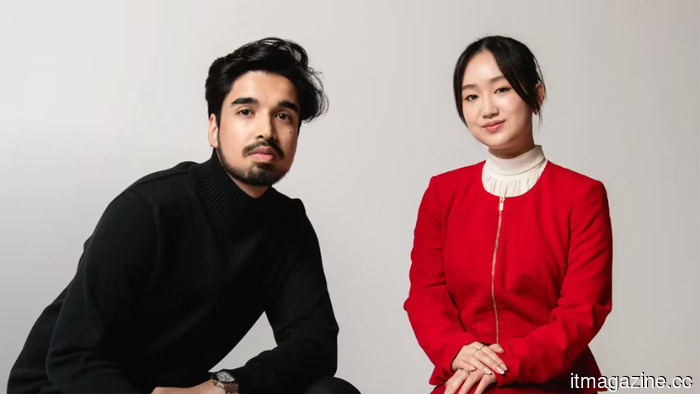 A 21-year-old Stanford graduate has successfully secured $11.6 million to develop a wearable hormone monitoring device that does not require blood samples.
Clair Health secured an $11.6 million seed funding round led by Khosla Ventures for a wrist-mounted device that monitors estrogen and progesterone levels without the use of needles. The product is set to be shipped in November.
A 21-year-old Stanford graduate has successfully secured $11.6 million to develop a wearable hormone monitoring device that does not require blood samples.
Clair Health secured an $11.6 million seed funding round led by Khosla Ventures for a wrist-mounted device that monitors estrogen and progesterone levels without the use of needles. The product is set to be shipped in November.
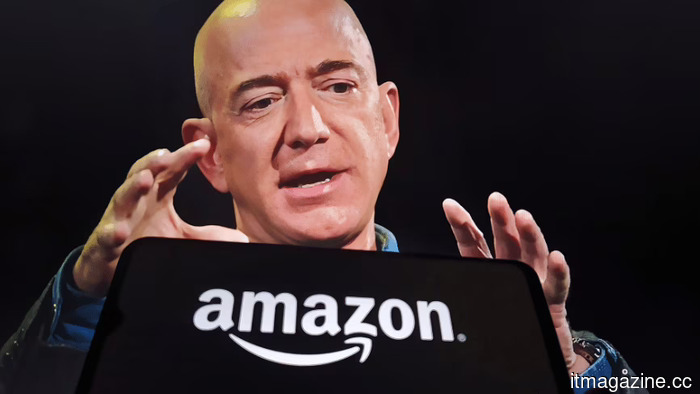 The head of Amazon AI acknowledges that their models fall behind those of OpenAI and Anthropic.
Peter DeSantis states that Amazon's AI models "haven't been at the forefront" and expresses optimism about bridging the gap within a year, using custom chips and exclusive data.
The head of Amazon AI acknowledges that their models fall behind those of OpenAI and Anthropic.
Peter DeSantis states that Amazon's AI models "haven't been at the forefront" and expresses optimism about bridging the gap within a year, using custom chips and exclusive data.
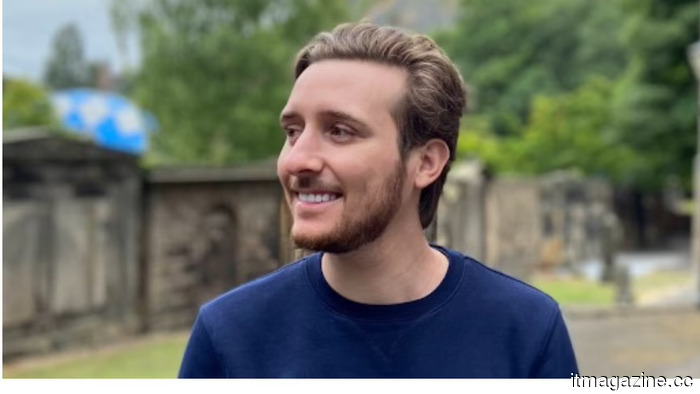 Henrique Schmaiske and the human effort involved in Meteor 3.0.
Meteor CTO Henrique Schmaiske spearheaded the framework's most significant release in more than ten years, eliminating Fibers and transitioning to async/await through 2,300 commits, all while ensuring stability for over 500,000 active installations.
Henrique Schmaiske and the human effort involved in Meteor 3.0.
Meteor CTO Henrique Schmaiske spearheaded the framework's most significant release in more than ten years, eliminating Fibers and transitioning to async/await through 2,300 commits, all while ensuring stability for over 500,000 active installations.
SpaceX’s rising stock value makes it less expensive to pursue acquisitions.
SpaceX's all-stock Cursor deal, valued at $60 billion, results in reduced dilution as the stock rises by 50% after its IPO. Ackman refers to it as a strategic asset, a view shared by Anthropic and OpenAI.