
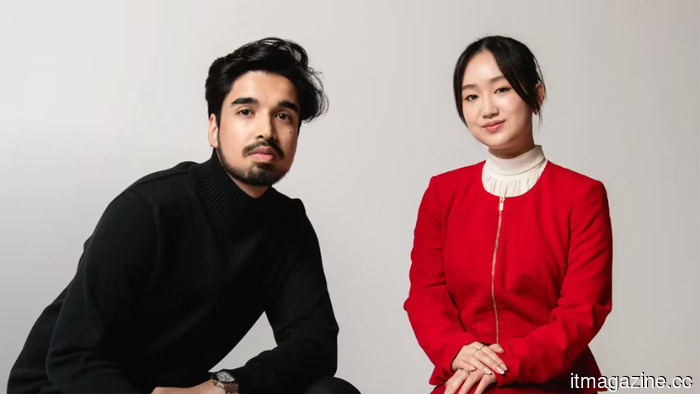
A 21-year-old Stanford graduate has successfully secured $11.6 million to develop a wearable hormone monitoring device that does not require blood samples.
Clair Health secured $11.6 million in funding from Khosla Ventures for a noninvasive wearable hormone monitor set to launch in November, although it currently lacks peer-reviewed results. This San Francisco startup, established by two Stanford alumni, aims to create the first continuous, noninvasive hormone monitoring device for women. Khosla Ventures led the funding round, with contributions from several investors, including a16z speedrun, Brydge Club, Treehub, Cartan Capital, AGI House, Insiders VC, and 23andMe co-founder Anne Wojcicki.
Co-founder Jenny Duan, who graduated from Stanford with a degree in symbolic systems, completed the funding round at the same time. She and co-founder Abhinav Agarwal, who has experience in developing a noninvasive glucose monitor at KOS AI, started the company together after meeting in spring 2025. The product is designed as a wristband that will be shipped as a wellness item, with FDA approval expected later.
The device employs a series of 10 biosensors, including unique biomagnetic sensors, to capture physiological signals such as skin temperature, heart rate variability, and electrodermal activity. AI models are used to interpret these signals, estimating where a woman is in her hormonal cycle by tracking levels of estrogen, progesterone, LH, and FSH through over 130 proprietary biomarkers. Provisional patents for the sensor design are held by the company.
Duan noted that current hormone measurement methods involve either laboratory blood tests or at-home urine tests, which do not directly measure hormones. Clair claims to achieve 94% accuracy in identifying menstrual cycle phases, but this is compared to daily urine samples, similar to at-home ovulation tests, rather than clinical blood analysis. Although an independent study is in progress at the Stanford Gladstone BeeHive program and the company plans to publish peer-reviewed findings, no such results are available yet. This distinction is critical, as inferring hormone levels from surface biometrics rather than directly measuring them is a significant claim that lacks independent validation.
The startup has also trained AI to analyze voice-based biomarkers to determine a woman’s cycle phase within minutes of conversation. The wearable technology market is growing rapidly, with established competitors integrating women’s health features. Companies such as WHOOP and Oura have introduced menstrual health insights and specific testing for women's health.
However, these existing brands were not exclusively created for hormone monitoring. According to Alex Morgan from Khosla Ventures, much of current wearable technology caters primarily to men. WHOOP recently raised $575 million at a $10.1 billion valuation and is poised for an IPO, while Oura has submitted a confidential filing for its own public offering, showcasing the rising interest in health wearables as investment opportunities.
The global femtech sector is forecasted to grow from $39 billion in 2024 to $97 billion by 2030. Historically, femtech has struggled to secure adequate venture capital, peaking at around $2 billion in investment in 2021 before a downturn as funding shifted toward AI. Nonetheless, Clair's investment round indicates a resurgence of capital in this area.
Initial testing revealed nine unique sub-phases in the female hormone cycle, challenging the traditional four-phase model in women's health. Clair has amassed a waitlist of 25,000, sold out its presale, and received over 100 letters of intent from fertility clinics. Future plans include monitoring perimenopause, calibrating hormone replacement therapy, and diagnosing conditions like PCOS and endometriosis.
Consumer privacy is emphasized in their pitch, with all data processed on the phone via zero-knowledge encryption to alleviate concerns regarding health data security. Notably, women were not mandated to participate in U.S. clinical trials until 1993, an oversight that Duan cites as a motivation for the company's mission.
The pricing has not been independently verified, but reports from TechCrunch suggest a cost of $369 for the device and a monthly subscription of $9.99. Clair will launch the product as a wellness item rather than a medical device, permitting shipment without FDA clearance but limiting its ability to make diagnostic claims. The company intends to seek regulatory approval in the future.
Ultimately, Clair must provide published data to substantiate whether a wristband can accurately infer hormone levels from biosignals. While they have secured funding, a substantial waitlist, and a notable list of investors, they still lack the peer-reviewed evidence needed to distinguish their claims from the marketing promises of other health wearable startups that have fallen short of expectations.
Other articles
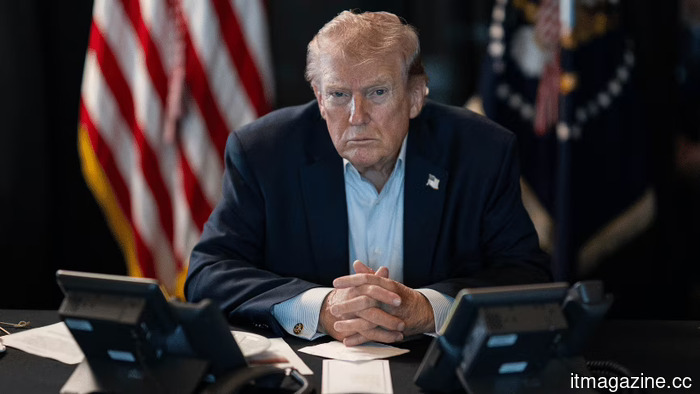 Trump declines UK request for exemption from Anthropic AI ban.
Starmer's administration advocated for the UK to be exempt from the Anthropic export ban. Washington responded with "zero chance," highlighting Britain's reliance on AI.
Trump declines UK request for exemption from Anthropic AI ban.
Starmer's administration advocated for the UK to be exempt from the Anthropic export ban. Washington responded with "zero chance," highlighting Britain's reliance on AI.
 China has established new safety regulations for electric vehicles. The United States should take similar action.
China's updated safety regulations for electric vehicles implement stricter battery fire testing and require physical power shutoff mechanisms, setting a higher standard as the U.S. considers ways to enhance the safety of electric cars.
China has established new safety regulations for electric vehicles. The United States should take similar action.
China's updated safety regulations for electric vehicles implement stricter battery fire testing and require physical power shutoff mechanisms, setting a higher standard as the U.S. considers ways to enhance the safety of electric cars.
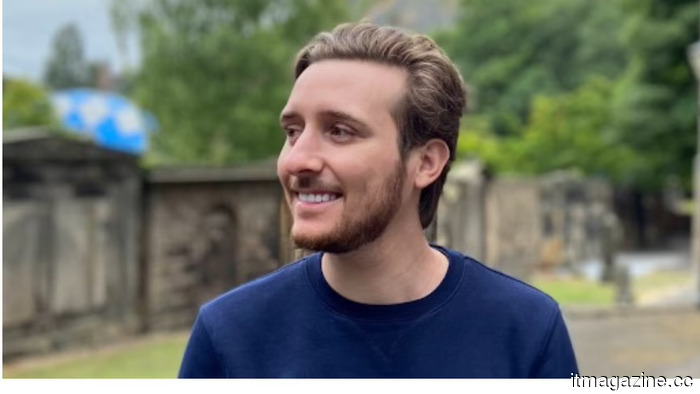 Henrique Schmaiske and the human effort involved in Meteor 3.0.
Meteor CTO Henrique Schmaiske spearheaded the framework's most significant release in more than ten years, eliminating Fibers and transitioning to async/await through 2,300 commits, all while ensuring stability for over 500,000 active installations.
Henrique Schmaiske and the human effort involved in Meteor 3.0.
Meteor CTO Henrique Schmaiske spearheaded the framework's most significant release in more than ten years, eliminating Fibers and transitioning to async/await through 2,300 commits, all while ensuring stability for over 500,000 active installations.
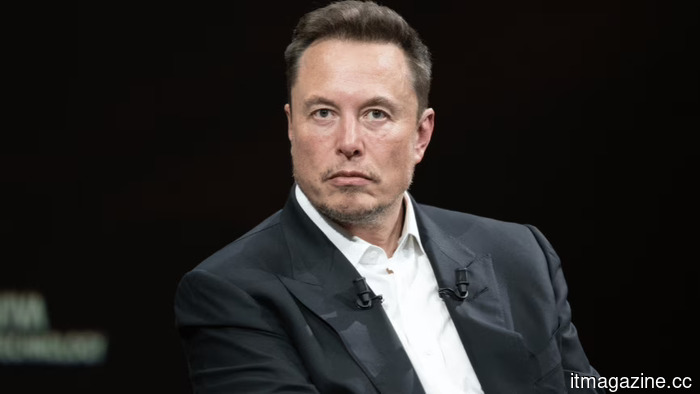 SpaceX’s rising stock value makes it less expensive to pursue acquisitions.
SpaceX's all-stock Cursor deal, valued at $60 billion, results in reduced dilution as the stock rises by 50% after its IPO. Ackman refers to it as a strategic asset, a view shared by Anthropic and OpenAI.
SpaceX’s rising stock value makes it less expensive to pursue acquisitions.
SpaceX's all-stock Cursor deal, valued at $60 billion, results in reduced dilution as the stock rises by 50% after its IPO. Ackman refers to it as a strategic asset, a view shared by Anthropic and OpenAI.
 Arcade.dev has secured $60 million to enhance its enterprise AI agents.
Arcade.dev secured a $60M Series A funding round led by SYN Ventures to regulate the actions AI agents can perform within company systems, effectively containing the agents within pilot programs.
Arcade.dev has secured $60 million to enhance its enterprise AI agents.
Arcade.dev secured a $60M Series A funding round led by SYN Ventures to regulate the actions AI agents can perform within company systems, effectively containing the agents within pilot programs.
 Reasons CMOs require a new accountability operating system.
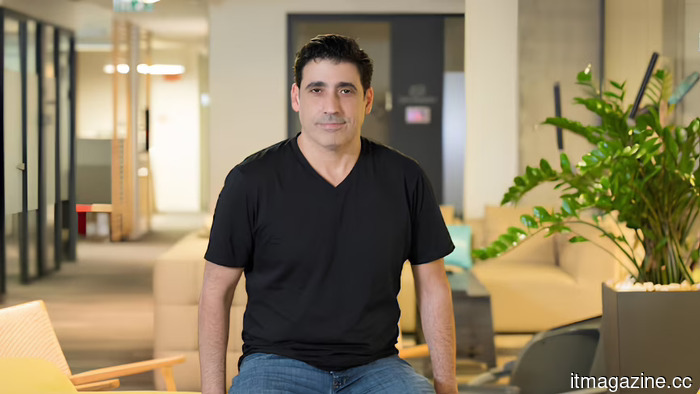
Perion's CEO, Tal Jacobson, discusses why the accountability gap for Chief Marketing Officers is an issue related to infrastructure rather than measurement. He also highlights how AI-driven execution is transforming the way marketing demonstrates its impact on business.
Reasons CMOs require a new accountability operating system.
Perion's CEO, Tal Jacobson, discusses why the accountability gap for Chief Marketing Officers is an issue related to infrastructure rather than measurement. He also highlights how AI-driven execution is transforming the way marketing demonstrates its impact on business.
A 21-year-old Stanford graduate has successfully secured $11.6 million to develop a wearable hormone monitoring device that does not require blood samples.
Clair Health secured an $11.6 million seed funding round led by Khosla Ventures for a wrist-mounted device that monitors estrogen and progesterone levels without the use of needles. The product is set to be shipped in November.