
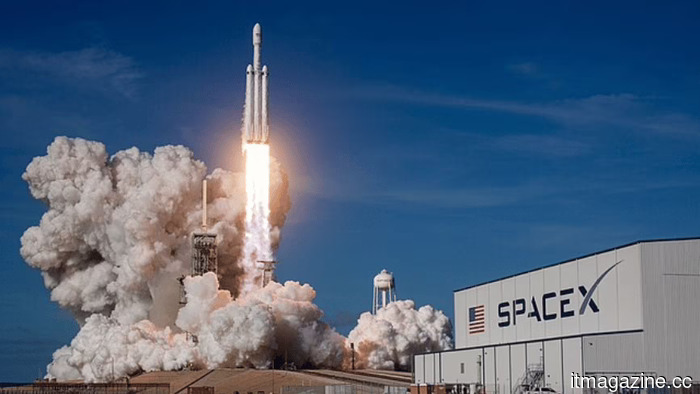
SpaceX has invested over $15 billion in the Starship program.
SpaceX has invested over $15 billion in the development of its Starship megarocket and aims for a launch pace that would make space accessibility akin to an airline schedule rather than a government initiative, as reported by Reuters on Friday, referencing the company's private pre-IPO prospectus.
This amount represents the first quantification of the total cost associated with the development program that supports the more speculative two-thirds of SpaceX’s projected IPO valuation of $1.75 trillion.
According to the prospectus, which Reuters has been covering in anticipation of the upcoming S-1 filing, SpaceX's capital expenditures skyrocketed nearly fivefold from $5.6 billion in 2024 to $20.7 billion in 2025.
Of the capital expenditure for 2025, $12.7 billion was allocated to AI initiatives, surpassing the budget for the company's primary space and satellite operations. This shift resulted in a transition from a net profit of $791 million in 2024 to a net loss of $4.94 billion in 2025, driven less by Starship itself, which has consistently incurred multi-billion-dollar costs over the years, but more by the integration of xAI in February 2026 and the establishment of AI infrastructure linked to Starlink that the merged organization now operates.
Starlink continues to be the primary financial driver, generating $11.4 billion in 2025 revenue and $4.4 billion in operating profit. Overall, SpaceX's total revenue for 2025 is estimated to be around $15–$16 billion.
Starlink had 9 million subscribers at the close of 2025, and Quilty Space forecasts an increase to 16.8 million by the end of 2026, with total SpaceX revenue for 2026 projected to be about $20 billion, along with $14 billion in EBITDA.
Musk's vision of 'airline-like rocketry' reflects his long-term goal for Starship: to have launches occurring daily or hourly, with quick turnarounds, reusability measured in dozens or hundreds of flights, and drastically reduced per-kilogram launch costs.
Currently, the expense for sending one kilogram into orbit using a Falcon 9 ranges between $2,700 and $3,000, the lowest price on the market. Starship’s target is set at $10–$100 per kilogram, achieving a 30- to 300-fold reduction.
Achieving this target hinges on one key assumption: that a Starship vehicle costing approximately $90 million can complete 100 flights, thereby distributing the production cost across these missions.
Determining whether this flight rate is feasible is the purpose of Flight 12, the first launch of Starship Version 3. SpaceX successfully conducted the first full static fire of Booster 19 on April 14, with all 33 Raptor 3 engines firing simultaneously, producing about 9,240 tonnes of thrust—more than any previous launch vehicle.
The debut flight of V3 is scheduled for early to mid-May 2026, just ahead of the IPO roadshow which starts the week of June 8. The Federal Aviation Administration has approved SpaceX to ramp up its launch rate at Starbase from 5 to as many as 25 launches per year starting May 2025, while a separate authorization in February 2026 allowed up to 44 Starship-Super Heavy launches annually at Pad LC-39A in Florida.
The company has a mixed history regarding launch cadence promises. In 2025, SpaceX executed 5 Starship test flights against a goal of 25, falling short similar to the proportional delays experienced by Falcon Heavy in 2013. However, operational programs have performed better, achieving 170 Falcon launches in 2025 compared to public targets, with Starlink subscriber growth staying within about 10% of projections since 2022, and Falcon 9 completing 32 flights using a single booster.
Typically, SpaceX's engineering milestones are met, albeit two to five years late, while operational programs maintain about a 10% variance from targets once a vehicle enters serial production. Starship, however, falls into the first category.
The context of the IPO is significant. The disclosure regarding Starship spending appears amidst a Reuters series on the SpaceX prospectus, essentially serving as a public version of an investor roadshow document that has yet to be officially shared.
The public S-1 confirms that Musk owns around 42% of SpaceX equity but commands approximately 79% of the voting power through a dual-class share system. The IPO aims for a $1.75 trillion valuation and a fundraising of up to $75 billion, significantly exceeding Saudi Aramco's record of $29.4 billion from 2019.
Twenty-one banks are orchestrating the offering, internally dubbed Project Apex, aiming for a Nasdaq listing in June,
Other articles
 McKinsey's latest AI report contends that the benefits to productivity are genuine but depend on certain conditions.
McKinsey's recent report suggests that many companies are speeding up their current activities instead of rethinking their workflows to integrate AI.
McKinsey's latest AI report contends that the benefits to productivity are genuine but depend on certain conditions.
McKinsey's recent report suggests that many companies are speeding up their current activities instead of rethinking their workflows to integrate AI.
 McKinsey's latest AI report claims that the productivity benefits are genuine but dependent on certain conditions.
McKinsey's latest report suggests that the majority of companies are speeding up their current efforts instead of rethinking their workflows to incorporate AI.
McKinsey's latest AI report claims that the productivity benefits are genuine but dependent on certain conditions.
McKinsey's latest report suggests that the majority of companies are speeding up their current efforts instead of rethinking their workflows to incorporate AI.
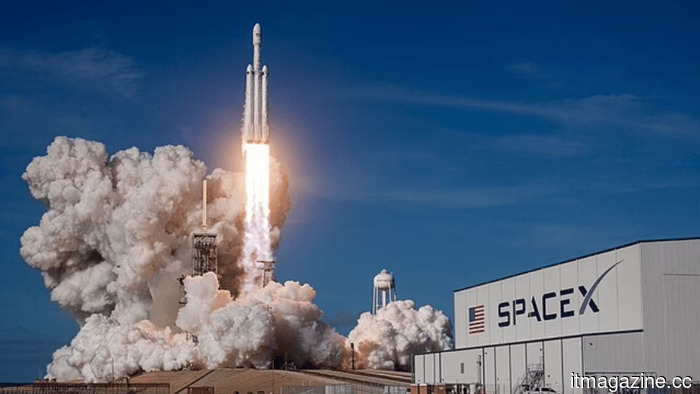 SpaceX has invested over $15 billion in Starship.
SpaceX has invested over $15 billion in the development of Starship and is aiming for a launch frequency similar to that of airlines.
SpaceX has invested over $15 billion in Starship.
SpaceX has invested over $15 billion in the development of Starship and is aiming for a launch frequency similar to that of airlines.
 McKinsey's latest AI report claims that the benefits of productivity are genuine but dependent on specific factors.
McKinsey's latest report suggests that the majority of companies are speeding up their current processes instead of restructuring workflows to incorporate AI.
McKinsey's latest AI report claims that the benefits of productivity are genuine but dependent on specific factors.
McKinsey's latest report suggests that the majority of companies are speeding up their current processes instead of restructuring workflows to incorporate AI.
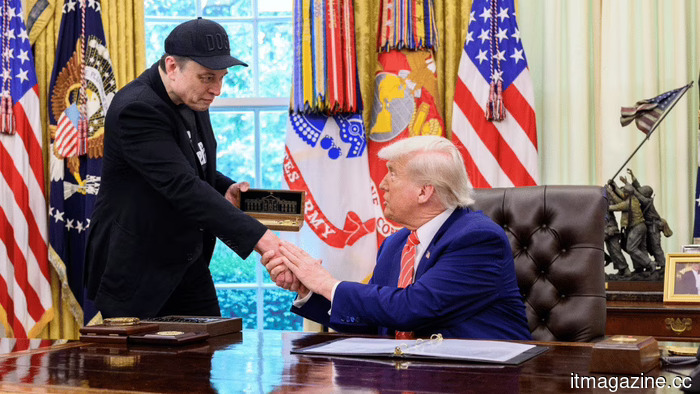 US debt surpasses 100% of GDP as the $690 billion AI investment by Big Tech vies for the same capital markets.
U.S. debt reaches 100% of GDP for the first time since World War II, with interest payments exceeding $1 trillion. Meanwhile, Big Tech's AI capital expenditures surpass $690 billion. Both are funded through debt from the same source.
US debt surpasses 100% of GDP as the $690 billion AI investment by Big Tech vies for the same capital markets.
U.S. debt reaches 100% of GDP for the first time since World War II, with interest payments exceeding $1 trillion. Meanwhile, Big Tech's AI capital expenditures surpass $690 billion. Both are funded through debt from the same source.
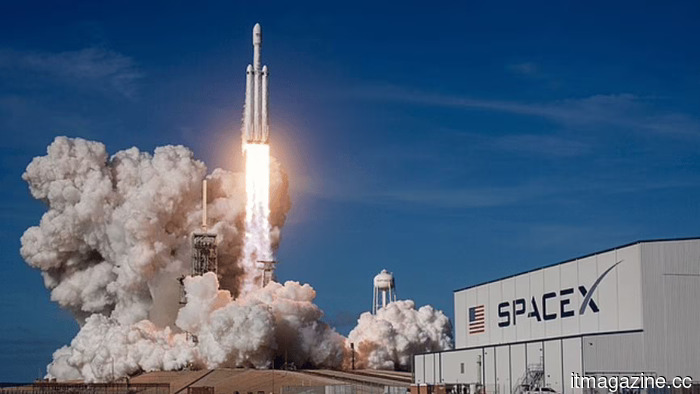 SpaceX has invested over $15 billion in the Starship project.
SpaceX has invested over $15 billion in the development of Starship and is aiming for a launch frequency similar to that of airlines.
SpaceX has invested over $15 billion in the Starship project.
SpaceX has invested over $15 billion in the development of Starship and is aiming for a launch frequency similar to that of airlines.
SpaceX has invested over $15 billion in the Starship program.
SpaceX has invested over $15 billion in the development of Starship and aims for a launch frequency similar to that of airlines.