

A Meta patent reveals a hardware kill switch for its camera glasses. This feature couldn't arrive at a better time.
Meta is working on a method to physically disable the cameras in smart glasses.
Meta's smart glasses have gained an unflattering nickname, being referred to as “pervert glasses.” This moniker arises from numerous incidents of clandestine filming and harassment, with individuals using the camera to capture footage of strangers without their consent. Meta now seems to be developing a solution. A recently granted patent reveals what could be the company's answer, and it's certainly overdue.
What Meta’s new patent entails
The patent details a “hardware privacy mute circuit,” which was filed earlier this year and approved last week. While the glasses are not explicitly named in the patent, the accompanying illustrations clearly resemble the Ray-Ban collaboration currently on the market.
The concept involves a physical switch that interrupts power to the camera sensor rather than relying on a software setting. This is significant because a hardware kill switch is immune to hacking, contrasting with Meta's previous attempts. The company describes this as “tamper-resistant privacy controls that cannot be compromised through software exploits,” meaning that it cannot be easily bypassed.
Why Meta needed this solution urgently
Currently, the only indicator of recording is a small LED that lights up, and individuals have found several ways to circumvent it over the past months. Some simply cover the LED with a sticker, while others employ a trick by starting the recording and then covering the light, ensuring that it stays off for bystanders.
Meta has just started addressing this specific loophole by releasing an update that stops recording as soon as the LED is obscured mid-clip. While this is a genuine improvement, it's still software-based, and users may eventually discover a workaround.
A hardware-based kill switch is the only reliable option that could genuinely safeguard the privacy of those nearby. Until this patent concept is incorporated into the actual product, the Meta glasses remain as trustworthy as the individual wearing them, which, recently, has not been very reassuring.
Manisha Priyadarshini is a tech and entertainment writer with over nine years of editorial experience.
Smart rings are now focused on monitoring heart health. I glimpsed the future, and it resembles a sweat-sensing lab on your finger.
We have entered the era of biohacking. And no, I am not referring to extreme cases like Bryan Johnson, who invests millions in ambitious health and anti-aging goals. The typical consumer of wearables is now seeking more. They are utilizing data from smartwatches, fitness bands, and rings, feeding it to AI agents for deeper insights into their bodies. I constructed a similar dashboard for myself using Claude in less than ten minutes to interpret the data gathered by my smart ring.
However, the capabilities of these wearables are limited. This is due to the constraints of the underlying light-based sensor technology. These sensors started with basic heart rate measurement, and over the past decade, they have advanced significantly to now measure ECG, variations in blood pressure, temperature changes, and blood oxygen saturation levels. Nevertheless, they cannot delve into the biochemical aspects that necessitate a visit to a hospital or the use of advanced medical equipment.
Smart glasses are increasingly being restricted in various venues across the UK. Now, a prominent New York City nightclub is joining the fray in the U.S.
Basement has declared that smart glasses are prohibited within the venue, adhering to its existing no-photo and no-video policy (as reported by Futurism). Anyone attempting to enter with the glasses, whether worn or carried in a bag, will be asked to leave and could even face a permanent ban.
Meta asserts that its glasses can no longer record you secretly, at least not by this method.
Meta is addressing one of the most significant concerns regarding its smart glasses: the alarming possibility of someone recording you without your knowledge. The company is implementing a privacy update aimed at closing a loophole that permitted users to continue recording after covering the front-facing LED indicator. This update comes amid increasing scrutiny faced by Meta's AI-enhanced glasses over issues of privacy, harassment, and the ambiguous boundary between wearable technology and covert surveillance.





Other articles
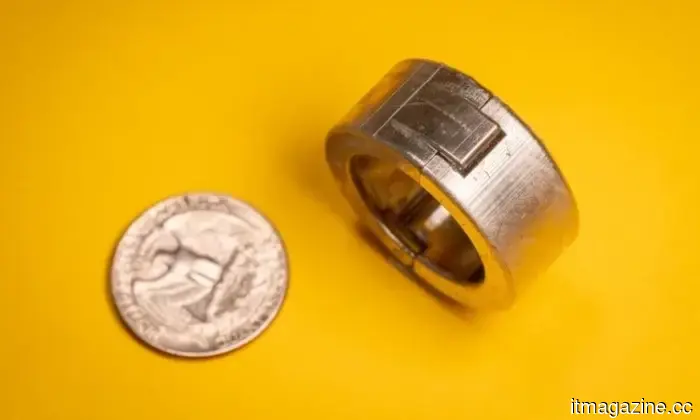
 A snug compression might resolve the most significant challenge facing solid-state batteries for vehicles and electronic devices.
Solid-state batteries offer the potential for safer and quicker charging power, but tiny dendrites often cause short circuits. Researchers at Stanford found that by applying constant mechanical pressure, dendrites can grow laterally in a non-harmful way, providing a straightforward engineering solution to advance the development of next-generation batteries for electric vehicles and portable devices.
A snug compression might resolve the most significant challenge facing solid-state batteries for vehicles and electronic devices.
Solid-state batteries offer the potential for safer and quicker charging power, but tiny dendrites often cause short circuits. Researchers at Stanford found that by applying constant mechanical pressure, dendrites can grow laterally in a non-harmful way, providing a straightforward engineering solution to advance the development of next-generation batteries for electric vehicles and portable devices.
 Apple TV secures the highly praised drama series "Small Prophets."
Apple TV has obtained the worldwide streaming rights for the popular British comedy-drama series "Small Prophets," which will be available for viewing starting October 7.
Apple TV secures the highly praised drama series "Small Prophets."
Apple TV has obtained the worldwide streaming rights for the popular British comedy-drama series "Small Prophets," which will be available for viewing starting October 7.
 A snug compression might resolve the main challenge for solid-state batteries in vehicles and electronic devices.
Solid-state batteries promised increased safety and quicker charging capabilities, but microscopic dendrites continue to cause short circuits. Researchers at Stanford found that applying continuous mechanical pressure encourages dendrites to grow in a harmless sideways manner, providing a straightforward engineering solution to advance next-generation batteries for electric vehicles and portable devices.
A snug compression might resolve the main challenge for solid-state batteries in vehicles and electronic devices.
Solid-state batteries promised increased safety and quicker charging capabilities, but microscopic dendrites continue to cause short circuits. Researchers at Stanford found that applying continuous mechanical pressure encourages dendrites to grow in a harmless sideways manner, providing a straightforward engineering solution to advance next-generation batteries for electric vehicles and portable devices.
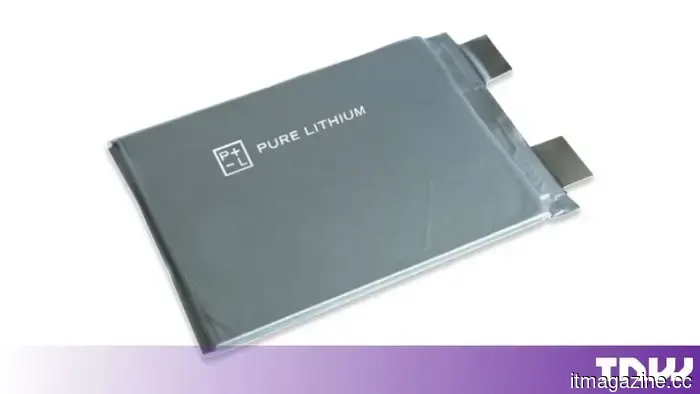 This battery, which does not use graphite, has the potential to disrupt China's dominance in the electric vehicle supply chain.
Pure Lithium reports that its graphite-free cell completed 9,315 cycles. By 2030, Europe aims to process 40% of its own graphite, while China processes more than 90% of it.
This battery, which does not use graphite, has the potential to disrupt China's dominance in the electric vehicle supply chain.
Pure Lithium reports that its graphite-free cell completed 9,315 cycles. By 2030, Europe aims to process 40% of its own graphite, while China processes more than 90% of it.
 China’s car manufacturers are urged by regulators to prioritize quality improvements rather than simply adding new features.
Four Chinese ministries launched a yearlong initiative focused on automobile quality that prohibits manufacturers from altering vehicle specifications through over-the-air updates without prior approval.
China’s car manufacturers are urged by regulators to prioritize quality improvements rather than simply adding new features.
Four Chinese ministries launched a yearlong initiative focused on automobile quality that prohibits manufacturers from altering vehicle specifications through over-the-air updates without prior approval.
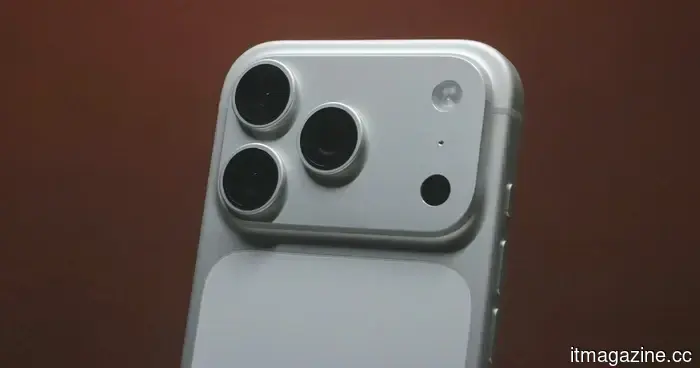 A two-step AI technique can finally address the challenges of low-light photography in smartphone cameras.
Researchers have created a two-step AI system that improves ultra-high-definition images taken in low light while maintaining fine textures, edges, and scene details.
A two-step AI technique can finally address the challenges of low-light photography in smartphone cameras.
Researchers have created a two-step AI system that improves ultra-high-definition images taken in low light while maintaining fine textures, edges, and scene details.
A Meta patent reveals a hardware kill switch for its camera glasses. This feature couldn't arrive at a better time.
A recently awarded patent to Meta unveils a hardware kill switch for its smart glasses, responding to months of criticism regarding covert recording and breaches of privacy.