

My smart home experiment has come to its natural conclusion.
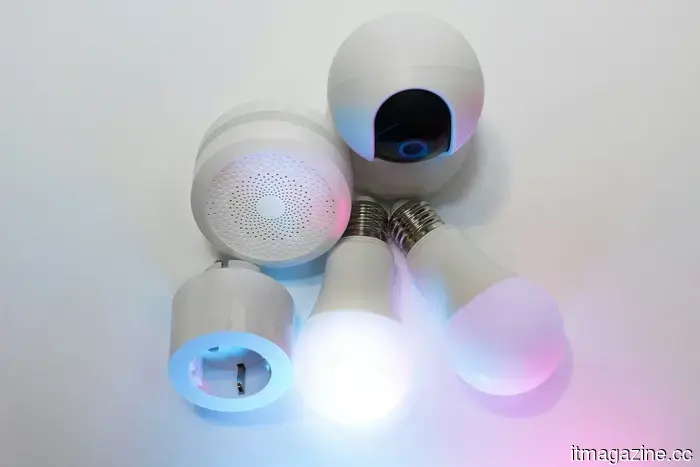
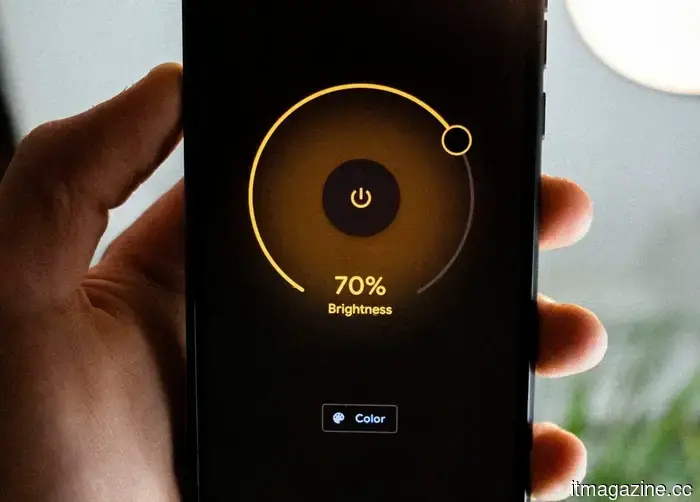
The initial device I incorporated into my smart home was a light bulb. It felt like the most sensible starting point. I could activate it from anywhere, set it on a schedule, and eventually integrate it into routines with other devices.
Then, I pressed the button in the app and waited. Although the delay was only about half a second, that brief wait is quite noticeable, especially compared to a wall switch that responds instantly and has never once asked for a firmware update. Using my phone was even less efficient. I had to unlock it, locate the app, navigate to the appropriate room, and tap on the light I could have activated with several quicker steps.
Those early bulbs were quite unreliable, and the software clearly needed improvement. A few generations later, they’ve significantly improved. They disconnect less frequently, respond more swiftly, and mostly act like completed products.
This should have encouraged me to acquire more. Instead, it made me reflect on how far I truly wanted to take the experiment.
Remote control isn’t synonymous with automation.
Certain smart home devices establish their value almost immediately.
A motion sensor that activates a hallway light before any physical touch eliminates a step entirely. A leak sensor can alert me about water under the sink before the cabinet becomes the first indication of a problem. These scenarios represent genuine automation because something beneficial occurs without requiring any prior action from me.
Conversely, a smart bulb that I have to manage through my phone feels different. I haven’t genuinely automated the light; I’ve simply shifted the switch to a less convenient location.
That distinction has become increasingly harder to overlook as I've added more devices. Many items in my home could be made smarter, but significantly fewer would actually simplify my life.
Eventually, I stopped viewing every button, switch, and appliance as something incomplete.
That’s the principle I adhere to now. A new smart device must address a specific recurring annoyance before I consider adding it. Being controllable via my phone isn’t sufficient, nor is the allure of another convoluted routine I’ll likely forget about shortly after.
Eventually, the household requires an administrator.
The other cost becomes apparent once a sufficient number of devices accumulate.
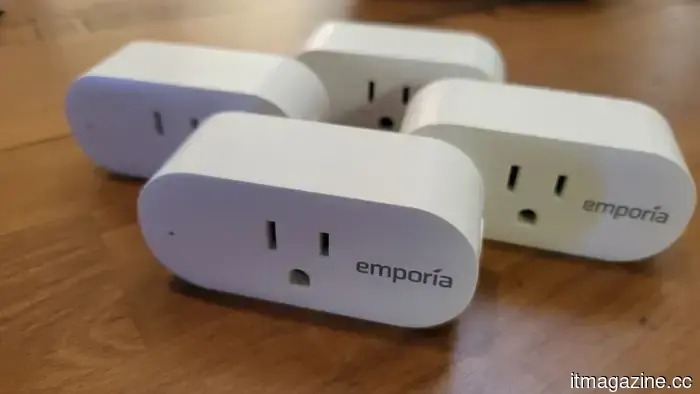
My smart plugs function exactly as intended, yet they also permanently reside between an appliance and the wall. In the back of my mind, there’s always a tiny, possibly irrational worry about whether today’s the day one decides to malfunction. The plug grants me additional control, but it seems my brain has simply substituted one problem for another.
My video doorbell is genuinely beneficial. I can see who’s at the door when I’m not home, which is something a traditional doorbell clearly cannot do. However, it also adds another device with a battery percentage I’m supposed to keep track of.
Then my Wi-Fi goes down, and the entire setup loses much of its appeal.
Most of the connected devices I own suddenly become harder or impossible to operate as I normally would. Traditional switches continue working as intended, unaffected by the network’s issues. Meanwhile, some of the gadgets I bought to simplify management now require my attention.
The greater dependency is harder to attribute solely to the router.
I set everything up. The devices connect to my phone, and I know which app controls what. I’m familiar with how the routines interconnect, how each device was paired, and the sequence of increasingly exasperated taps that usually gets things running again.
The other residents in the house primarily want it to function like a home.
They shouldn’t have to remember that one specific switch needs to remain on because the bulb behind it is smart. They shouldn’t need to know which app governs a plug or why a routine suddenly stopped working. Guests definitely shouldn’t require a tutorial before turning on a lamp.
If I’m away and something needs reconfiguration, the smart home’s documentation effectively becomes the absent person. This is a peculiar result for technology that was meant to simplify everyday tasks.
Better technology can't determine what deserves automation.
Smart home technology continues to evolve. Matter, the interoperability standard supported by much of the industry, aims to eliminate some of the setup and ecosystem challenges that made early smart homes burdensome. Its latest 1.6 specification incorporates easier device setup and improved ways to share devices across different smart-home ecosystems, though these improvements will arrive at varying times depending on the platform and manufacturer.
I welcome that progress. However, I’m also increasingly skeptical that easier setup inherently means I need more connected devices.
Once compatibility issues become less of a concern, the more challenging question is what all that connectivity is genuinely offering me.
For me, the answer increasingly revolves around whether the technology eliminates an interaction rather than merely replacing one. If something handles a recurring task, identifies a problem I might overlook, or subtly enhances the livability of my home, I’m interested.
If its primary achievement is transferring a perfectly functional button to my phone, I’m harder to persuade.
I doubt I’ve purchased my last smart home gadget. The next one may still earn a
Other articles
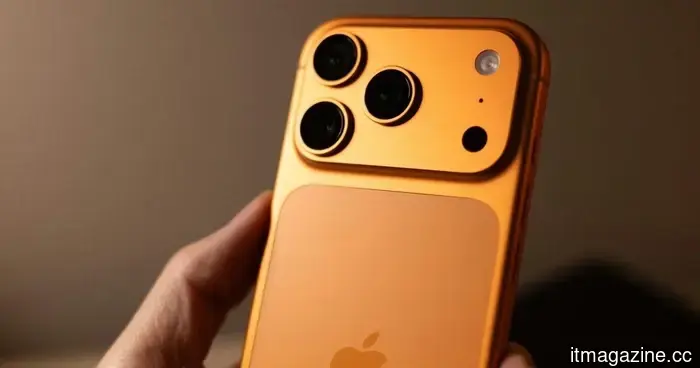 Apple is evaluating Chinese DRAM despite CXMT's refusal to lower prices.
Apple is said to be testing CXMT memory in various products such as iPhones and MacBooks, despite the Chinese supplier declining to provide the lower DRAM prices that Apple preferred.
Apple is evaluating Chinese DRAM despite CXMT's refusal to lower prices.
Apple is said to be testing CXMT memory in various products such as iPhones and MacBooks, despite the Chinese supplier declining to provide the lower DRAM prices that Apple preferred.
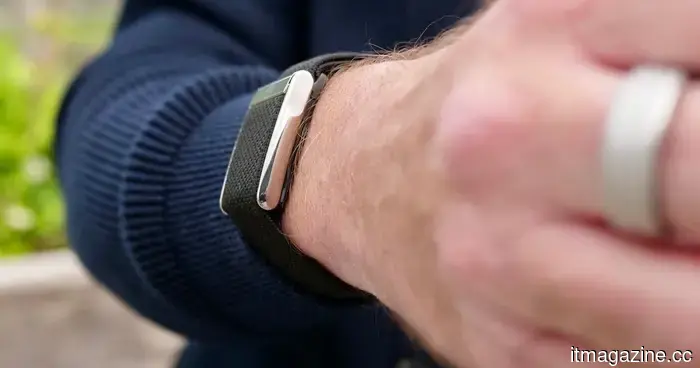 According to a report, Apple is considering developing a wearable device without a screen to compete with Whoop and Fitbit Air.
Bloomberg's report indicates that Apple is contemplating a revamp of its wearable devices, which includes plans to create a fitness tracker that can be worn on the wrist without a screen.
According to a report, Apple is considering developing a wearable device without a screen to compete with Whoop and Fitbit Air.
Bloomberg's report indicates that Apple is contemplating a revamp of its wearable devices, which includes plans to create a fitness tracker that can be worn on the wrist without a screen.
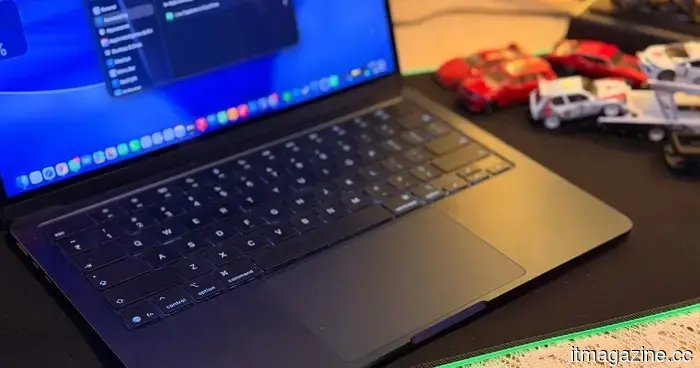 Apple has recently fixed a security vulnerability in Mac. It's advisable to update today.
Apple has issued macOS updates that address a Screen Sharing vulnerability which could permit network attackers to circumvent authentication.
Apple has recently fixed a security vulnerability in Mac. It's advisable to update today.
Apple has issued macOS updates that address a Screen Sharing vulnerability which could permit network attackers to circumvent authentication.
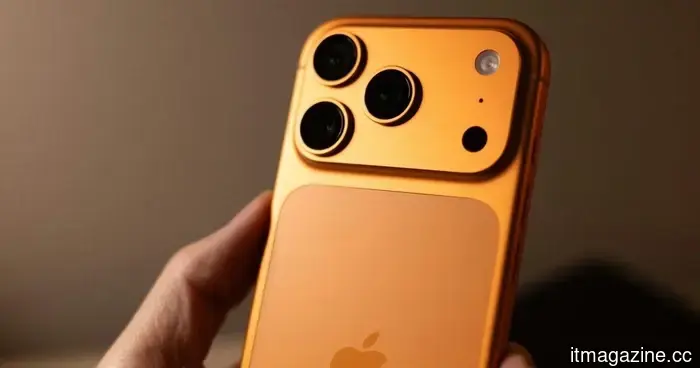 Apple is evaluating Chinese DRAM despite CXMT's refusal to lower prices.
Apple is said to be testing CXMT memory in various products such as iPhones and MacBooks, despite the Chinese supplier declining to provide the more affordable DRAM prices that Apple sought.
Apple is evaluating Chinese DRAM despite CXMT's refusal to lower prices.
Apple is said to be testing CXMT memory in various products such as iPhones and MacBooks, despite the Chinese supplier declining to provide the more affordable DRAM prices that Apple sought.
 The EU's alternative to Starlink is finally progressing beyond the planning phase.
The EU is increasing the number of IRIS² satellites to 348, establishing an independent network for governments, defense forces, emergency services, and critical infrastructure.
The EU's alternative to Starlink is finally progressing beyond the planning phase.
The EU is increasing the number of IRIS² satellites to 348, establishing an independent network for governments, defense forces, emergency services, and critical infrastructure.
 My upcoming phone needs to justify its retirement.
Promises of seven-year software support are making long-term ownership of smartphones more feasible. The greater concern is whether the hardware, repair infrastructure, and annual upgrade cycle are prepared for this change.
My upcoming phone needs to justify its retirement.
Promises of seven-year software support are making long-term ownership of smartphones more feasible. The greater concern is whether the hardware, repair infrastructure, and annual upgrade cycle are prepared for this change.
My smart home experiment has come to its natural conclusion.
The initial device I included in my smart home was a light bulb. It felt like the most sensible place to begin. I was able to switch it on from any location, set a schedule for it, and eventually incorporate it into routines with other devices. After that, I pressed the button in the app and waited. The delay […]