
Tencent is negotiating to become the largest shareholder of Manus.
Manus was briefly one of the most significant exits in Chinese AI. Last year, Meta agreed to acquire the agentic AI startup for over $2 billion, only to see the deal blocked by Beijing on national-security grounds. Now, the company is being repurchased by its original owners, with Tencent poised to take the lead.
According to the Financial Times, which has been reported by Bloomberg and Reuters, Tencent is in discussions to become Manus’ largest shareholder. The plan involves a consortium of the startup's previous investors repurchasing it at the same $2 billion valuation that Meta had agreed upon, effectively reversing the acquisition.
While Tencent is expected to secure the largest share, the crucial aspect is that it will still be a minority shareholder, retaining status as the single largest holder without attaining control over a startup that has Chinese roots deemed politically sensitive.
The consortium mainly consists of Manus’ original investors, including Tencent, the venture firm ZhenFund, and the investment house formerly known as Sequoia Capital China, now called HSG. There is potential for new investors to join the funding round, although some previous backers may choose not to participate.
One likely absentee is Benchmark, the US venture firm that was an early investor in Manus. Its anticipated absence highlights a significant shift in the startup's capital structure, moving from a mix of Chinese and American funding to a predominantly domestic one, reflecting the impact of Beijing's intervention.
Manus has built a reputation for AI agents capable of performing multi-step tasks with minimal human oversight, a feature now driving substantial investment into self-directed AI systems. This capability made it a target worth $2 billion for Meta and, in another perspective, a strategic asset that China preferred not to allow into foreign control.
The company's commercial trajectory explains the excitement surrounding it. During its brief association with Meta, benefiting from the larger company's traffic and advertising resources, Manus’ annual revenue reportedly surged to between $400 million and $500 million, an increase from about $100 million before the deal. These figures stem from Chinese-language reports and have not been independently verified, so they should be regarded as indicative rather than conclusive.
What the buyback restores is ownership, but not necessarily the same momentum. Reversing an acquisition means Manus will lose the distribution power that contributed to its rapid growth, and returning investors will need to finance the company’s next phase without a strategic parent supporting it. A structure with multiple minority shareholders ensures control remains distributed, which is reassuring for regulators but complicates management.
This situation also marks how China manages its domestic AI talent. Beijing has become increasingly protective of its sector, and the reversal of the Meta deal, followed by the repurchase by local investors, suggests a pattern rather than just a unique incident. Companies based on agent technology have become assets closely monitored by the state.
For Tencent, this move aligns with a broader strategy of supporting Chinese AI leaders rather than allowing them to drift abroad. The company has diversified its investments across models, chips, and applications, and leading the stake in Manus allows it to maintain a valuable asset within a familiar portfolio. Holding a minority position enables Tencent to do this without raising the same concentration concerns that affected the Meta deal.
Currently, the discussions are still ongoing. The structure is not finalized, the participants are not completely settled, and the valuation may still change. However, what seems to be nearing finality is the direction: Manus is set to return home, and Tencent aims to be the largest entity on the register when that happens.
Другие статьи
 SAP избегает антимонопольного штрафа ЕС, открыв свой рынок поддержки
Европейская комиссия приняла обязательства SAP, чтобы упростить клиентам процесс перехода или прекращения контрактов на поддержку, завершив антимонопольное расследование без штрафа.
SAP избегает антимонопольного штрафа ЕС, открыв свой рынок поддержки
Европейская комиссия приняла обязательства SAP, чтобы упростить клиентам процесс перехода или прекращения контрактов на поддержку, завершив антимонопольное расследование без штрафа.
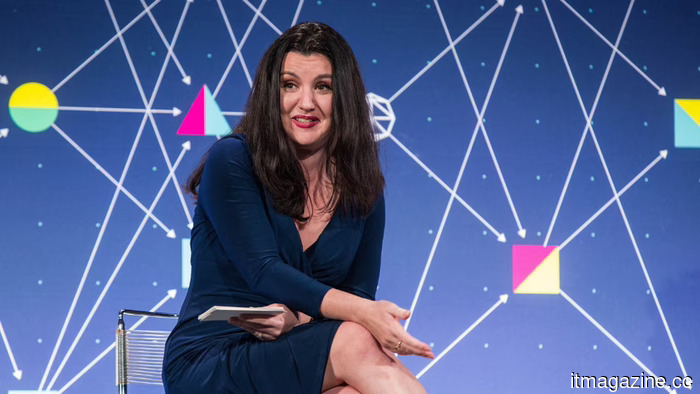 Фиджи Симоу уходит с должности второго человека в OpenAI
Глава приложений OpenAI Фиджи Симо уходит на должность советника на неполный рабочий день после того, как хроническое заболевание ухудшилось во время медицинского отпуска.
Фиджи Симоу уходит с должности второго человека в OpenAI
Глава приложений OpenAI Фиджи Симо уходит на должность советника на неполный рабочий день после того, как хроническое заболевание ухудшилось во время медицинского отпуска.
 Фреймик’s E Ink арт-рамка создает искусство из вашего голоса и выглядит при этом невероятно.
Голосовой холст E Ink от Fraimic позволяет вам произнести запрос, сгенерировать AI-арт с помощью GPT Image 2.0 и отобразить его в рамке Spectra 6, похожей на бумагу, без подписки.
Фреймик’s E Ink арт-рамка создает искусство из вашего голоса и выглядит при этом невероятно.
Голосовой холст E Ink от Fraimic позволяет вам произнести запрос, сгенерировать AI-арт с помощью GPT Image 2.0 и отобразить его в рамке Spectra 6, похожей на бумагу, без подписки.
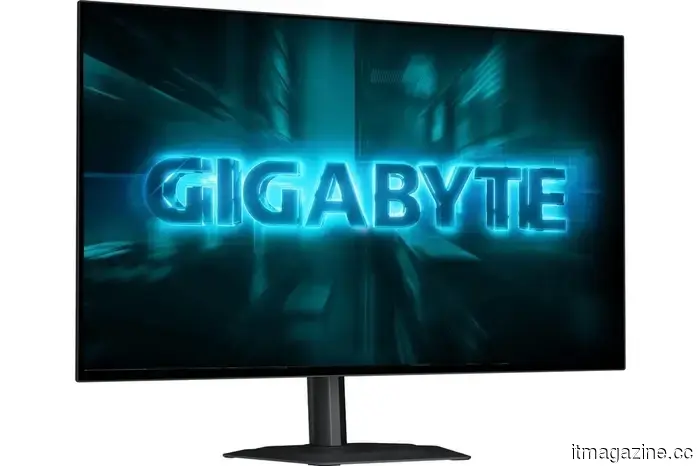 GIGABYTE радует игроков новым монитором с технологией WOLED.
Компания GIGABYTE, редко оставляющая поклонников компьютерного железа без новинок, анонсировала начало продаж своей новой игровой панели GO27Q24G. Это 27-дюймовая безрамочная модель, которая стремится удовлетворить все требования современных киберспортсменов.
GIGABYTE радует игроков новым монитором с технологией WOLED.
Компания GIGABYTE, редко оставляющая поклонников компьютерного железа без новинок, анонсировала начало продаж своей новой игровой панели GO27Q24G. Это 27-дюймовая безрамочная модель, которая стремится удовлетворить все требования современных киберспортсменов.
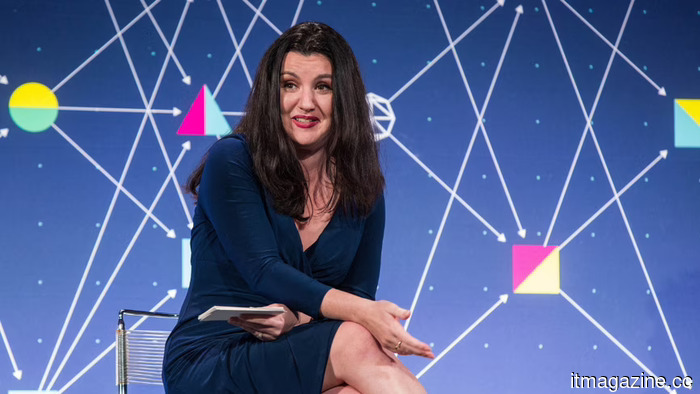 Фиджи Симo уходит с должности второго человека в OpenAI.
Глава приложений OpenAI Фиджи Симо уходит на должность советника на неполный рабочий день после того, как хроническое заболевание ухудшилось во время медицинского отпуска.
Фиджи Симo уходит с должности второго человека в OpenAI.
Глава приложений OpenAI Фиджи Симо уходит на должность советника на неполный рабочий день после того, как хроническое заболевание ухудшилось во время медицинского отпуска.
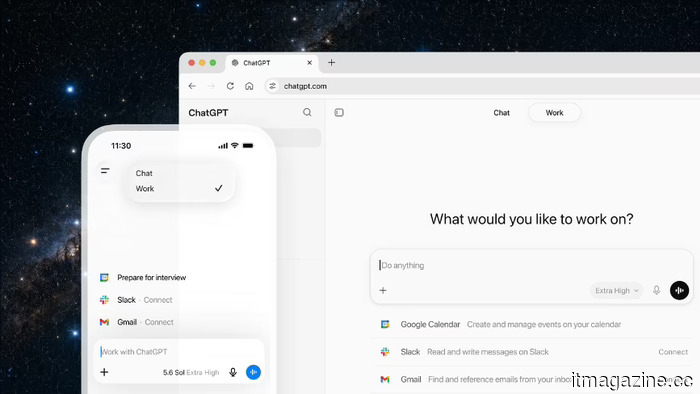 OpenAI запускает ChatGPT Work, агента, созданного для завершения работы
OpenAI запустила ChatGPT Work, агента на базе GPT-5.6, который работает с вашими приложениями и файлами, выполняет запланированные задачи и может оставаться с проектом в течение нескольких часов.
OpenAI запускает ChatGPT Work, агента, созданного для завершения работы
OpenAI запустила ChatGPT Work, агента на базе GPT-5.6, который работает с вашими приложениями и файлами, выполняет запланированные задачи и может оставаться с проектом в течение нескольких часов.
Tencent is negotiating to become the largest shareholder of Manus.
Tencent is discussing acquiring the largest stake in the AI agent startup Manus as Chinese investors seek to reverse Meta’s obstructed $2 billion acquisition.