
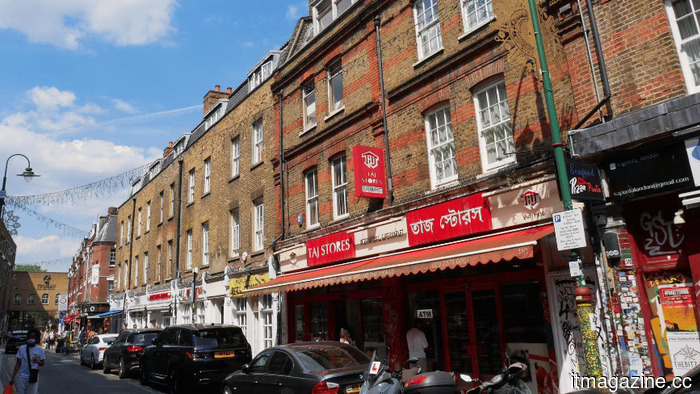
Residents of London oppose a data center on Brick Lane, not even for AI purposes.
Residents in east London are opposing a datacentre proposed for Brick Lane, arguing that the location should be designated for housing rather than servers. Notably, this datacentre would cater to high-frequency trading instead of artificial intelligence.
The backlash against datacentres in Britain has reached a critical point in east London. Neighbors around Brick Lane are against plans for the old Truman Brewery site, where a datacentre would be established, as reported by Matthew Taylor for the Guardian. The area is renowned for its curry restaurants and round-the-clock bagel shops.
The Save Brick Lane campaign asserts that the 5,200 square meter facility would provide no advantages to the community, with members advocating for residential development instead. Tower Hamlets council currently has 31,000 applicants waiting for social housing.
"We are experiencing a serious housing crisis here,” stated Jonathan Moberly, a local resident and activist. He emphasized a desire for the site to be developed into affordable housing, preferably council housing. “This datacentre will not benefit anyone living in the area,” he remarked.
Notably, this is not an AI-focused datacentre. While the plan taps into the current trend of AI-driven datacentres, this facility will not be used for training chatbots. According to planning documents, it will support high-frequency trading.
Companies in the City utilize such systems to execute massive volumes of trades in mere milliseconds, making location critically important. The documents indicate a peak output of 5.2MW, which campaigners claim is sufficient to supply power to around 15,000 homes.
Noise pollution also raises concerns, with a nearby datacentre already attracting complaints about a persistent low hum that residents liken to “a large fridge.”
This dispute highlights a difficult choice. A recent report from the London Assembly found that the rapid expansion of datacentres is hindering the urgent need for housing, as the electrical grid cannot accommodate both demands simultaneously. This echoes a broader conflict over energy costs elsewhere.
Tower Hamlets councillor Faysal Ahmed is against the proposal, stating that both the community and the council oppose it. He argued that Canary Wharf would be a more logical location for such a facility, asserting that it “defies all logic to propose a datacentre on Brick Lane.”
The Tower Hamlets council previously rejected the project last year, leading to a public inquiry. Housing Secretary Steve Reed later intervened, and the government is set to make a decision by August 17. The Truman Brewery company, responsible for the plan, has not responded to inquiries for comment.
This situation is part of a wider national issue. In February, Ofgem reported approximately 140 datacentre projects in progress, potentially requiring 50GW of electricity—about 5GW more than the UK’s current peak demand. Despite some projects being abandoned, investment in these developments continues.
Oliver Hayes from the campaign group Global Action Plan noted that communities from Tower Hamlets to Fife are engaged in this struggle. He is advocating for a moratorium on new AI datacentres until the government clarifies how many are actually needed and in which locations. Scotland has already proposed its own freeze.
The significance of this issue lies in the fact that datacentres are foundational to both the AI sector and the financial trading systems in the City. The UK seeks to increase the number of these facilities. However, Brick Lane illustrates the complications that arise; as the number of datacentres grows, communities are increasingly questioning who truly benefits from these servers. The government’s decision on August 17 will provide further insights on this matter.
Other articles
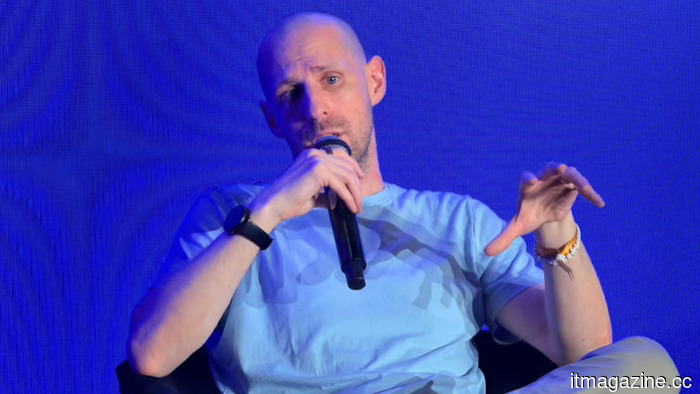 "It can genuinely harm your business": n8n’s argument for model-agnostic AI.
At the Raise Summit, Jan Oberhauser, the founder of n8n, argued for the importance of serving as AI’s orchestration layer as model sovereignty emerged as a key topic in boardrooms.
Amazon's hidden 'Moonraker' initiative transforms Alexa into an AI agent.
Documents that have been leaked disclose Moonraker, Amazon's expensive initiative to develop Alexa into an AI agent capable of linking tasks, with anticipated GPU expenses exceeding $100 million by 2026.
"It can genuinely harm your business": n8n’s argument for model-agnostic AI.
At the Raise Summit, Jan Oberhauser, the founder of n8n, argued for the importance of serving as AI’s orchestration layer as model sovereignty emerged as a key topic in boardrooms.
Amazon's hidden 'Moonraker' initiative transforms Alexa into an AI agent.
Documents that have been leaked disclose Moonraker, Amazon's expensive initiative to develop Alexa into an AI agent capable of linking tasks, with anticipated GPU expenses exceeding $100 million by 2026.
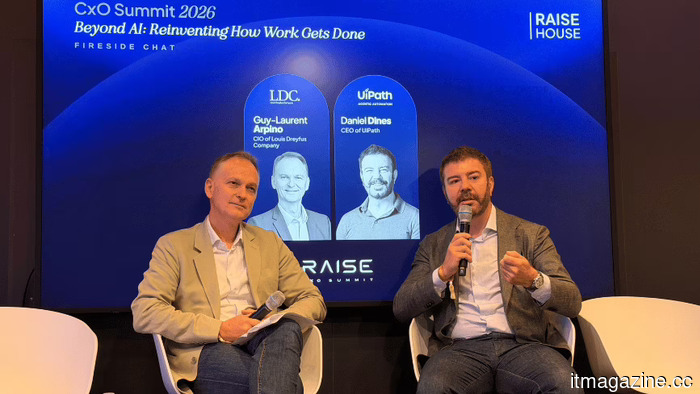 Daniel Dines believes that failing to hire junior employees is an error.
At the Raise summit, UiPath's Daniel Dines stated that reducing junior hiring is a misstep, while he and LDC's Guy-Laurent Arpino discussed the future of enterprise AI.
Daniel Dines believes that failing to hire junior employees is an error.
At the Raise summit, UiPath's Daniel Dines stated that reducing junior hiring is a misstep, while he and LDC's Guy-Laurent Arpino discussed the future of enterprise AI.
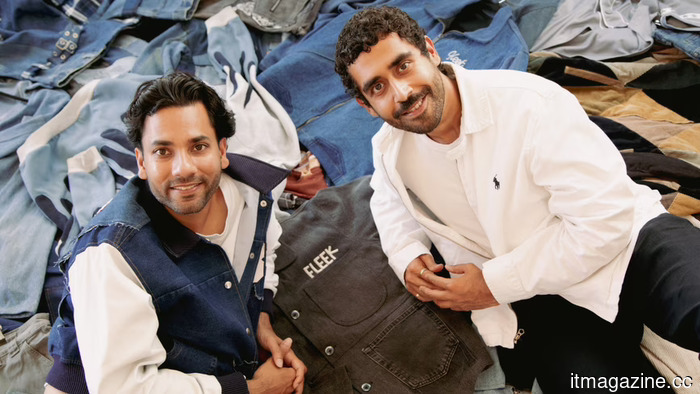 Fleek secures $25 million to develop the AI infrastructure for the worldwide secondhand fashion industry.
London-based startup Fleek has secured $25 million in Series B funding, with support from Burda, an early investor in Vinted, to enhance the AI technology it employs for sorting, grading, and pricing second-hand clothing.
Fleek secures $25 million to develop the AI infrastructure for the worldwide secondhand fashion industry.
London-based startup Fleek has secured $25 million in Series B funding, with support from Burda, an early investor in Vinted, to enhance the AI technology it employs for sorting, grading, and pricing second-hand clothing.
 Kendall supports autonomous vehicles while Burnham's team hesitates.
UK tech secretary Liz Kendall has voiced her support for driverless vehicles and British AI, creating a divide with the team of potential future Prime Minister Andy Burnham, during a Sifted podcast.
Kendall supports autonomous vehicles while Burnham's team hesitates.
UK tech secretary Liz Kendall has voiced her support for driverless vehicles and British AI, creating a divide with the team of potential future Prime Minister Andy Burnham, during a Sifted podcast.
 SambaNova secures new funding at a valuation of $11 billion as competition to Nvidia intensifies.
AI chip startup SambaNova has secured funding at an $11 billion valuation, nearly five times its value from a few months ago, as investors seek alternatives to Nvidia.
SambaNova secures new funding at a valuation of $11 billion as competition to Nvidia intensifies.
AI chip startup SambaNova has secured funding at an $11 billion valuation, nearly five times its value from a few months ago, as investors seek alternatives to Nvidia.
Residents of London oppose a data center on Brick Lane, not even for AI purposes.
Residents are opposing a datacentre proposed for the old Truman Brewery on Brick Lane. The interesting aspect is that it would cater to high-frequency trading rather than AI.