

Google is limiting access to Gemini for Meta due to insufficient computing resources.
In brief, Google has restricted Meta’s access to the Gemini AI models due to limitations in computing capacity. In response, Meta has instructed employees to utilize AI tokens more efficiently and is transitioning to its own Muse Spark model.
According to a report by the Financial Times, Google has imposed limits on Meta's utilization of its Gemini AI models as it is unable to meet the computing power requirements that Meta desired. This restriction has impacted various Google clients, with Meta being particularly affected.
The situation has also influenced Meta's internal initiatives. As reported by three sources familiar with the situation, employees have been advised to optimize their use of AI tokens. Both Google and Meta have refrained from commenting on the news.
Meta initially depended on Gemini, which outperformed its own Llama open-source models, for automating safety measures such as removing harmful content and combating scams. However, the company has been progressively transferring workloads to Muse Spark, a new internal model, in an effort to reduce reliance on external AI sources. Google itself is facing significant computing constraints and has agreed to pay SpaceX $920 million monthly for access to 110,000 Nvidia GPUs, referring to it as “bridge capacity” to meet escalating demand for Gemini Enterprise.
This development highlights how the AI compute shortage is redefining interactions among major companies in the industry. Despite owning one of the largest AI infrastructure pools globally and allocating over $180 billion for capital expenditure this year, Google still cannot satisfy all customer demands. The rationing of access to a significant company like Meta, while concurrently leasing GPUs from a space company, underscores that infrastructure expansions are not keeping pace with consumption.
For Meta, relying on a rival's AI models has always been an uneasy situation. The company eliminated 8,000 jobs in May and shifted billions toward AI infrastructure, with capital expenditure projections between $115 and $135 billion for 2026. It has reassigned 7,000 employees to AI-oriented positions and initiated Muse Spark through its Superintelligence Labs division. The restrictions on Gemini expedite a transition Meta was already undertaking, moving away from dependence on external leading-edge models to developing internal solutions that can manage critical operations like large-scale content moderation.
The broader trend is evident across the entire industry. The demand for AI compute resources is escalating more rapidly than even the most ambitious infrastructure investments can accommodate. Google is acquiring capacity from SpaceX, Anthropic is leasing an entire data center from SpaceX, and Meta is being advised to minimize its token usage by its own cloud provider. The most pressing bottleneck in the AI boom lies not in algorithms or talent but rather in the physical infrastructure needed to support them.
Other articles
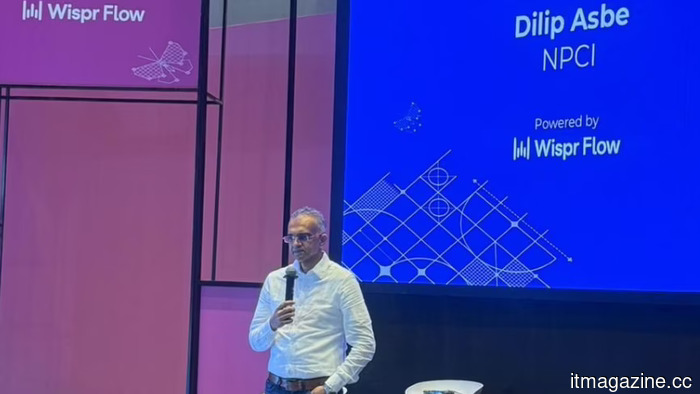 India's payments leader claims that AI will propel UPI from 750 million to one billion transactions per day.
Dilip Asbe, the CEO of NPCI, states that artificial intelligence will drive the upcoming surge in UPI expansion by enhancing fraud detection, facilitating credit distribution, and enabling multilingual voice onboarding.
Instagram aims to integrate algorithm customization as a fundamental aspect of the app rather than a hidden feature.
Adam Mosseri showcased new methods for accessing Your Algorithm, featuring pull-down menus and buttons specific to each Reel. The primary request from users continues to be: let us see whom we follow.
India's payments leader claims that AI will propel UPI from 750 million to one billion transactions per day.
Dilip Asbe, the CEO of NPCI, states that artificial intelligence will drive the upcoming surge in UPI expansion by enhancing fraud detection, facilitating credit distribution, and enabling multilingual voice onboarding.
Instagram aims to integrate algorithm customization as a fundamental aspect of the app rather than a hidden feature.
Adam Mosseri showcased new methods for accessing Your Algorithm, featuring pull-down menus and buttons specific to each Reel. The primary request from users continues to be: let us see whom we follow.
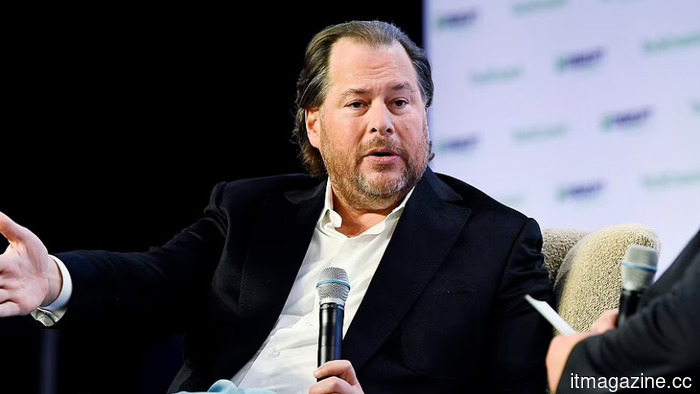 Salesforce staff are puzzled as to why the company is endorsing a rival within Slack.
Claude Tag from Anthropic has been introduced as an AI collaborator within Slack. However, certain employees at Salesforce are concerned that it directly competes with both Slackbot and Agentforce.
Salesforce staff are puzzled as to why the company is endorsing a rival within Slack.
Claude Tag from Anthropic has been introduced as an AI collaborator within Slack. However, certain employees at Salesforce are concerned that it directly competes with both Slackbot and Agentforce.
 Apple is considering a politically sensitive solution for the memory crisis, and the US government is not pleased with it.
Apple is seeking to purchase memory from CXMT, a Chinese firm that is on the Pentagon's blacklist, and is advocating to the Trump administration for approval to proceed with this acquisition.
Apple is considering a politically sensitive solution for the memory crisis, and the US government is not pleased with it.
Apple is seeking to purchase memory from CXMT, a Chinese firm that is on the Pentagon's blacklist, and is advocating to the Trump administration for approval to proceed with this acquisition.
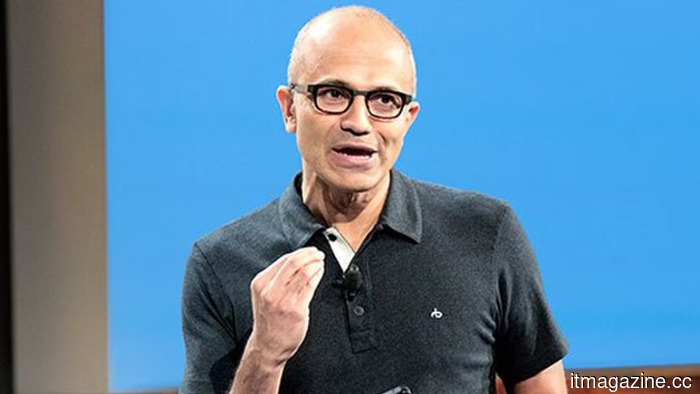 The 33-year-old former Snap executive, Nadella, is now in charge of fixing Copilot and manages a team of 11,000 individuals.
Jacob Andreou has been elevated to EVP of Copilot following a year at Microsoft. He is integrating consumer and enterprise teams while developing a super app in conjunction with Autopilot.
The 33-year-old former Snap executive, Nadella, is now in charge of fixing Copilot and manages a team of 11,000 individuals.
Jacob Andreou has been elevated to EVP of Copilot following a year at Microsoft. He is integrating consumer and enterprise teams while developing a super app in conjunction with Autopilot.
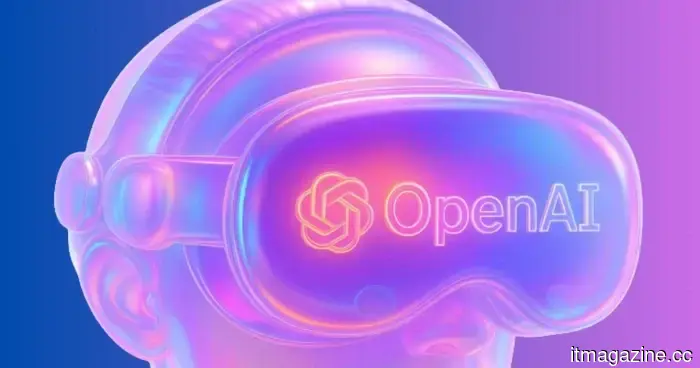 OpenAI's poaching of talent from Apple suggests that ChatGPT-powered wearables may soon be designed for facial use.
The engineering leader of Apple's Vision Pro is departing for OpenAI, suggesting that the company's aspirations in AI hardware could reach far beyond just ChatGPT.
OpenAI's poaching of talent from Apple suggests that ChatGPT-powered wearables may soon be designed for facial use.
The engineering leader of Apple's Vision Pro is departing for OpenAI, suggesting that the company's aspirations in AI hardware could reach far beyond just ChatGPT.
Google is limiting access to Gemini for Meta due to insufficient computing resources.
Google has imposed restrictions on Meta's usage of Gemini AI models due to demand surpassing the available capacity. According to the Financial Times, Meta has advised its employees to conserve AI tokens.