
Apple users are being targeted by a well-known tech support scam.
AI has made it more difficult to identify online scams by creating deepfakes, voice cloning, and realistic fake messages. Despite this, the classic tech support scam continues to ensnare victims. For years, scammers have impersonated Microsoft support representatives, but recent reports indicate that many are now focusing on Apple users.
Consumers are noticing an increase in counterfeit “Apple High Alert” notifications alleging that an iPhone, iCloud account, or Apple ID has been compromised. These alerts are crafted to induce panic, prompting individuals to act quickly without verifying the legitimacy of the warning.
The alerts may manifest as browser pop-ups, text messages, emails, or even calls from someone posing as Apple Support. They typically warn about suspicious activity, account locks, unauthorized purchases, or security breaches.
How does the Apple High Alert scam function?
The fraudulent notifications often pressure users to click a link, call a number, or download software to secure their device. Once a person engages, scammers may attempt to steal passwords for Apple IDs, verification codes, banking information, or credit card details. In more severe instances, they may convince victims to install remote-access software, granting criminals control over the device.
NordVPN
The scam is effective because Apple accounts contain a wealth of personal information, such as photos, contacts, payment details, passwords, and backups. A convincing alert about losing access to that account can trigger panic.
Gift cards are frequently involved in these scams due to their untraceable nature once redeemed. Recently, Valve announced it would cease selling physical Steam gift cards after scammers exploited them to extract money from victims. Scams themed around Apple can follow a similar pattern, with criminals requesting gift cards or other difficult-to-reverse payments.
How can Apple users protect themselves?
Apple advises users to be cautious of unsolicited messages, calls, or pop-ups claiming urgent issues with their accounts. The company does not request users to share passwords, verification codes, or gift card numbers to resolve security concerns.
The best course of action is to refrain from clicking links or calling numbers in unexpected messages. Instead, users should verify their Apple account through the Settings on their device or by directly visiting Apple’s official website. Enabling two-factor authentication can also provide added protection for an Apple ID if a password is compromised.

Other articles
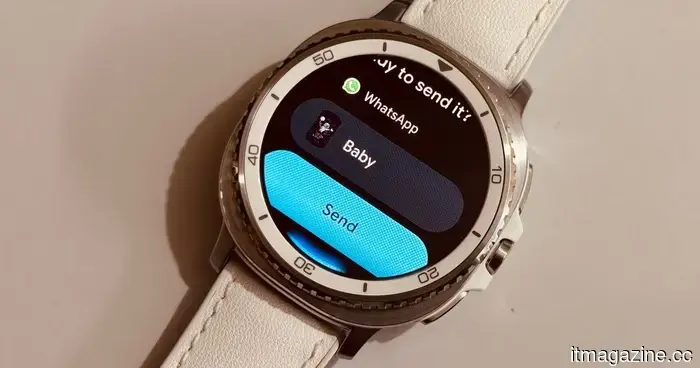 Samsung might postpone the release of the Galaxy Watch Classic this year, while the standard version and Ultra model could see the introduction of new color options.
Leaks regarding the new Galaxy Watch 9 confirm the absence of the rotating bezel for the Classic version, introduce a revamped Ultra 2, and reveal a new color range featuring an unexpected Beige option.
Samsung might postpone the release of the Galaxy Watch Classic this year, while the standard version and Ultra model could see the introduction of new color options.
Leaks regarding the new Galaxy Watch 9 confirm the absence of the rotating bezel for the Classic version, introduce a revamped Ultra 2, and reveal a new color range featuring an unexpected Beige option.
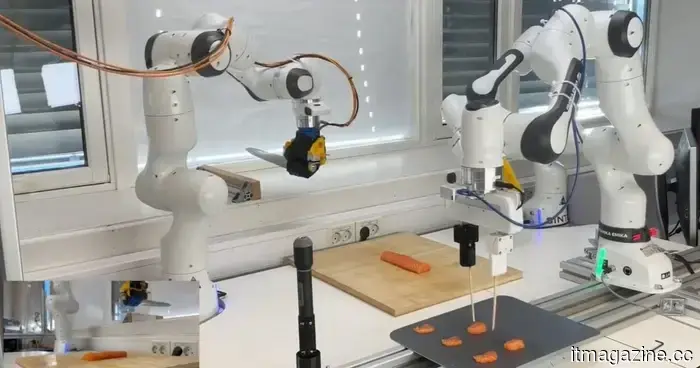 The Sashimi robot actually exists, and it is precise when it comes to slicing and dicing.
A research group from Norway developed a robot capable of slicing and serving salmon sashimi, utilizing three arms, artificial intelligence training, and a tactile sensor that detects when the blade makes contact with the cutting board.
The Sashimi robot actually exists, and it is precise when it comes to slicing and dicing.
A research group from Norway developed a robot capable of slicing and serving salmon sashimi, utilizing three arms, artificial intelligence training, and a tactile sensor that detects when the blade makes contact with the cutting board.
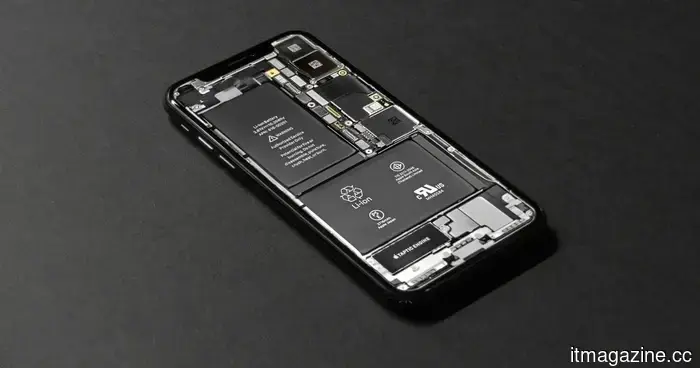 3D printed batteries may alleviate battery anxiety for your devices.
A fresh surge of startups is employing 3D printing to produce batteries that can conform to nearly any shape, which could revolutionize drones, wearable devices, electric vehicles, and upcoming technologies.
3D printed batteries may alleviate battery anxiety for your devices.
A fresh surge of startups is employing 3D printing to produce batteries that can conform to nearly any shape, which could revolutionize drones, wearable devices, electric vehicles, and upcoming technologies.
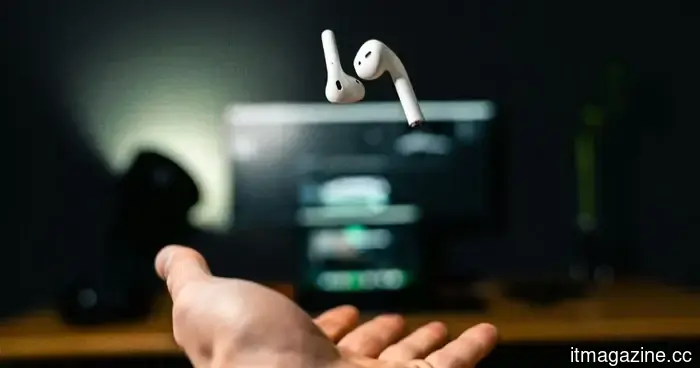 AirPods didn't destroy public life; they made it simpler to navigate through it.
AirPods are often criticized for contributing to antisocial behavior, yet these small earbuds have also become a common method for making noisy public environments more tolerable.
AirPods didn't destroy public life; they made it simpler to navigate through it.
AirPods are often criticized for contributing to antisocial behavior, yet these small earbuds have also become a common method for making noisy public environments more tolerable.
 Microsoft's June update addressed 208 security vulnerabilities while simultaneously introducing a series of new bugs across all versions of Windows.
KB5094126 addressed 208 security vulnerabilities but brought about issues that impacted the Recycle Bin, BitLocker recovery, OneDrive, and overall system stability in all Windows versions.
Microsoft's June update addressed 208 security vulnerabilities while simultaneously introducing a series of new bugs across all versions of Windows.
KB5094126 addressed 208 security vulnerabilities but brought about issues that impacted the Recycle Bin, BitLocker recovery, OneDrive, and overall system stability in all Windows versions.
 Amazon claims that human-in-the-loop AI supervision is ineffective because people lose focus.
The VP of security at Amazon states that human-in-the-loop AI governance is ineffective because individuals tend to normalize deviations from standards. Companies like Google, Microsoft, and IBM are also reevaluating this approach.
Amazon claims that human-in-the-loop AI supervision is ineffective because people lose focus.
The VP of security at Amazon states that human-in-the-loop AI governance is ineffective because individuals tend to normalize deviations from standards. Companies like Google, Microsoft, and IBM are also reevaluating this approach.
Apple users are being targeted by a well-known tech support scam.
Following years of scammers impersonating Microsoft support, reports indicate that Apple users are now encountering a similar surge of fraudulent tech support alerts.