
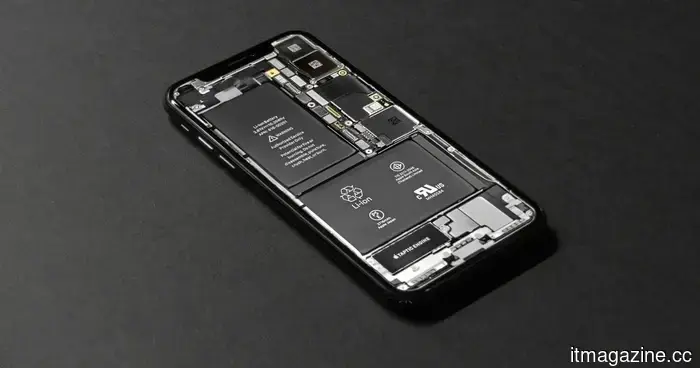
3D printed batteries may alleviate battery anxiety for your devices.
For many years, the focus of battery innovation has primarily revolved around chemistry. Companies have aimed for lithium-ion cells with longer lifespans, safer solid-state batteries, and more affordable materials. However, a quieter but significant shift is now underway that could fundamentally alter the design, manufacturing, and integration of batteries in devices.
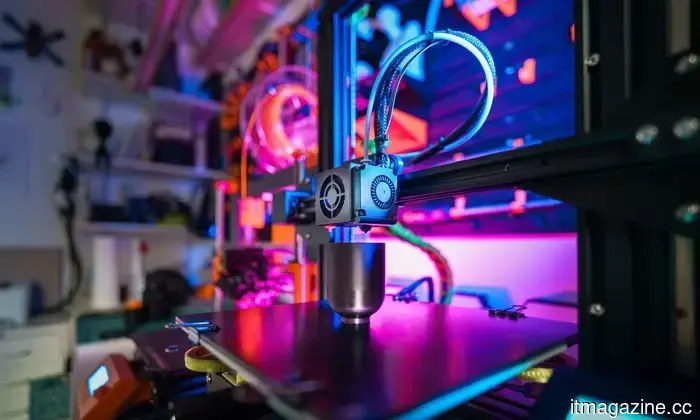
A growing number of startups and researchers are working on revolutionizing batteries through 3D printing instead of merely enhancing their internal chemistry. The concept is both straightforward and ambitious: to create batteries that can be shaped to fit nearly any structure rather than being confined to standard cylindrical or pouch forms.
3D-printed batteries could enable innovative device designs
The possible applications are vast. Researchers are optimistic that 3D-printed batteries could enable manufacturers to utilize previously unused spaces within devices for energy storage, leading to lighter, thinner, and more efficient products. For instance, smart glasses might incorporate batteries within their frames, while drones could leverage their entire structure for energy storage instead of depending on separate battery packs.
One notable advantage of this technology is its adaptability. Unlike many advancements in battery technology that hinge on a specific chemical formula, additive manufacturing methods can accommodate lithium-ion, sodium-ion, solid-state batteries, and potentially future battery innovations.
Interest in this area is rapidly escalating. A report noted that researchers published approximately 25,000 papers on 3D-printed batteries and components in 2025 alone. Nonetheless, only a few companies have started pursuing commercial applications.
Startups focus on drones, electric vehicles, and military uses
Several startups are actively working to transition the concept from research environments to practical applications.
One of these is Material Hybrid Manufacturing, a Miami-based firm founded by former Formula One engineer Gabe Elias and battery researcher Christopher Reyes. A report by the Wall Street Journal (WSJ) states that the company has developed a bespoke 3D-printing system capable of producing batteries in unique shapes and configurations.
Material has recently secured $7.1 million in seed funding and a $1.25 million contract with the U.S. Air Force. The company is creating prototype batteries for Teledyne FLIR’s SkyRaider drone, claiming that its printed batteries could increase energy storage by as much as 35 percent compared to conventional battery packs of the same size.
Another company, Sakuu, is pursuing a different route. Rather than printing entire batteries, it seeks to enhance battery production by eliminating energy-intensive drying ovens in the electrode fabrication process. The company asserts that its additive manufacturing method can produce battery components without solvents, which may lower production costs and energy use.
Researchers are also investigating more unconventional ideas, such as batteries made from simulated lunar dust for potential lunar bases and structural batteries that are integrated into the vehicle frame.
While widespread commercial adoption may still be a few years away, experts believe that military and aerospace applications could serve as initial testing grounds. If successful, this technology may eventually find its way into everyday consumer electronics, electric vehicles, and wearable technology.
Other articles
 AirPods didn't destroy public life; they made it simpler to navigate through it.
AirPods are often criticized for contributing to antisocial behavior, yet these small earbuds have also become a common method for making noisy public environments more tolerable.
AirPods didn't destroy public life; they made it simpler to navigate through it.
AirPods are often criticized for contributing to antisocial behavior, yet these small earbuds have also become a common method for making noisy public environments more tolerable.
 Apple users are being targeted by a well-known tech support scam.
Following years of scammers pretending to be Microsoft support, reports indicate that Apple users are now experiencing a comparable surge of fraudulent tech support alerts.
Apple users are being targeted by a well-known tech support scam.
Following years of scammers pretending to be Microsoft support, reports indicate that Apple users are now experiencing a comparable surge of fraudulent tech support alerts.
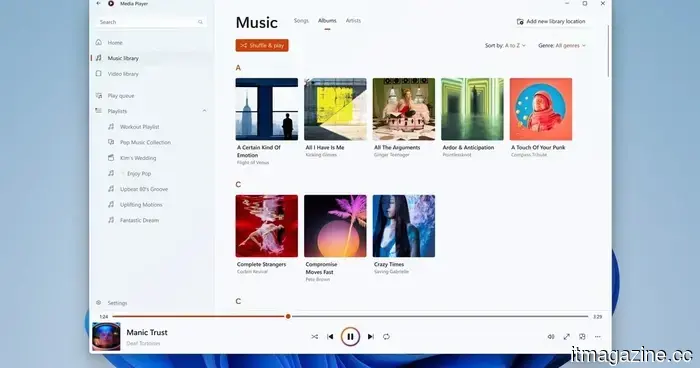 The modern Media Player in Windows 11 is somehow inferior to the version that was released 17 years ago.
The modern Media Player for Windows 11 from Microsoft has undergone an Insider Preview update; however, tests indicate that it still consumes more memory and launches videos more slowly compared to the classic version from the Windows 7 era.
The modern Media Player in Windows 11 is somehow inferior to the version that was released 17 years ago.
The modern Media Player for Windows 11 from Microsoft has undergone an Insider Preview update; however, tests indicate that it still consumes more memory and launches videos more slowly compared to the classic version from the Windows 7 era.
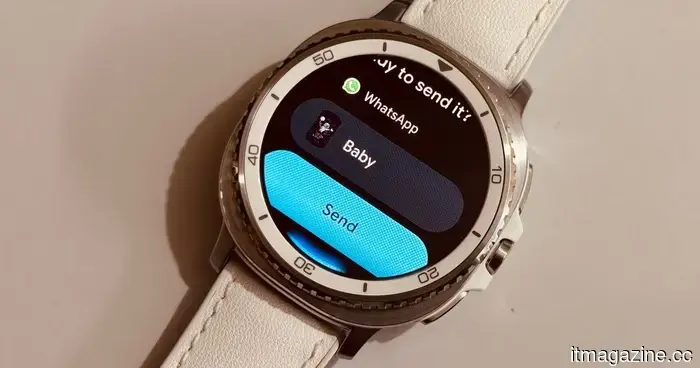 Samsung might postpone the release of the Galaxy Watch Classic this year, while the standard version and Ultra model could see the introduction of new color options.
Leaks regarding the new Galaxy Watch 9 confirm the absence of the rotating bezel for the Classic version, introduce a revamped Ultra 2, and reveal a new color range featuring an unexpected Beige option.
Samsung might postpone the release of the Galaxy Watch Classic this year, while the standard version and Ultra model could see the introduction of new color options.
Leaks regarding the new Galaxy Watch 9 confirm the absence of the rotating bezel for the Classic version, introduce a revamped Ultra 2, and reveal a new color range featuring an unexpected Beige option.
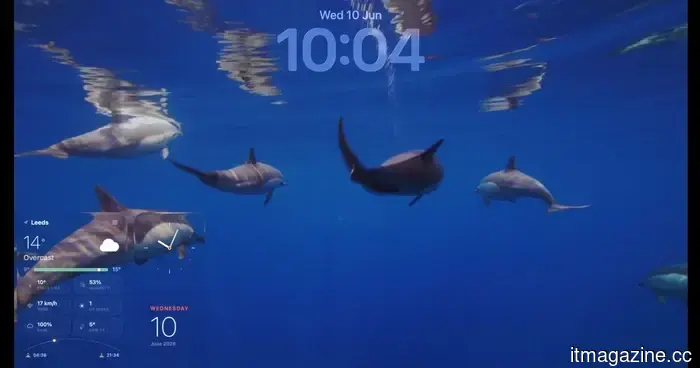 This complimentary Mac application adds beautiful glass-like widgets to your lock screen.
The Mac lock screen is typically quite bare. WidgetScreen enhances its functionality with free, transparent widgets that vanish as soon as you log in.
This complimentary Mac application adds beautiful glass-like widgets to your lock screen.
The Mac lock screen is typically quite bare. WidgetScreen enhances its functionality with free, transparent widgets that vanish as soon as you log in.
 The Liquid Glass slider in iOS 27 appears straightforward, but it's actually more beneficial than I anticipated.
Having used iOS 27 on my iPhone for more than a week, I’ve discovered that the Liquid Glass slider is one of the most overlooked features of the update. Here’s how it functions and why you should give it a try.
The Liquid Glass slider in iOS 27 appears straightforward, but it's actually more beneficial than I anticipated.
Having used iOS 27 on my iPhone for more than a week, I’ve discovered that the Liquid Glass slider is one of the most overlooked features of the update. Here’s how it functions and why you should give it a try.
3D printed batteries may alleviate battery anxiety for your devices.
A fresh surge of startups is employing 3D printing to produce batteries that can conform to nearly any shape, which could revolutionize drones, wearable devices, electric vehicles, and upcoming technologies.