
A study reveals that almost 60% of TikTok videos presented to new users are low-quality AI-generated content.
TL;DR: A report by Kapwing reveals that 59% of TikTok videos shown to new accounts are AI-generated junk, which is three times higher than the rate found on YouTube. Kids' content is particularly affected, with 57% of videos in TikTok’s Kids category classified as AI slop. Kapwing analyzed over 10,000 TikTok videos across 20 categories and focused on the first 500 videos seen on new accounts, discovering that 294 of them fell into the AI slop category, defined as low-quality, AI-generated content.
The findings indicate a serious issue for children, as they encounter the highest rates of AI-generated content in categories such as Kids, Science, Education, and Health. In contrast, videos relating to fitness, music, and fashion are mostly human-created, each below two percent. One hashtag, #CartoonKids, showed an alarming 97% of videos to be AI-generated.
Dr. Dana Suskind from the University of Chicago describes this as “toddler AI misinformation on an industrial scale,” emphasizing the vast amount of low-quality content generated by AI. The concern extends beyond children, as inaccuracies in educational content can have significant impacts. TikTok's recommendation engine relies on user interactions to personalize content, but for new users without data, the algorithm defaults to lower-quality AI-generated videos.
TikTok has acknowledged the issue, introducing controls to let users adjust the amount of AI content they encounter, yet these measures appear ineffective in significantly lowering the initial exposure to AI slop. The platform is also facing legal scrutiny regarding its content for minors, with allegations it has misled parents about the quality of the material available.
In comparison, YouTube has a lower rate of AI-generated content at around 21% for new accounts and has adopted stricter enforcement measures. The broader trend of AI-generated content is also evident across social media and music streaming platforms, where quality is often sacrificed for quantity.
The study has limitations, as it reflects the interests of a video editing company and its classification of AI slop involved subjective criteria. Despite these limitations, the substantial amount of data analyzed makes it a significant examination of AI content density on TikTok, especially concerning children’s content.
As social media was once valued for its human touch—creativity and authenticity—the rise of AI-generated content raises concerns about the platform's future identity, questioning whether AI slop may have become a core characteristic of TikTok.
Other articles
 Apple users are being targeted by a well-known tech support scam.
Following years of scammers impersonating Microsoft support, reports indicate that Apple users are now encountering a similar surge of fraudulent tech support alerts.
Apple users are being targeted by a well-known tech support scam.
Following years of scammers impersonating Microsoft support, reports indicate that Apple users are now encountering a similar surge of fraudulent tech support alerts.
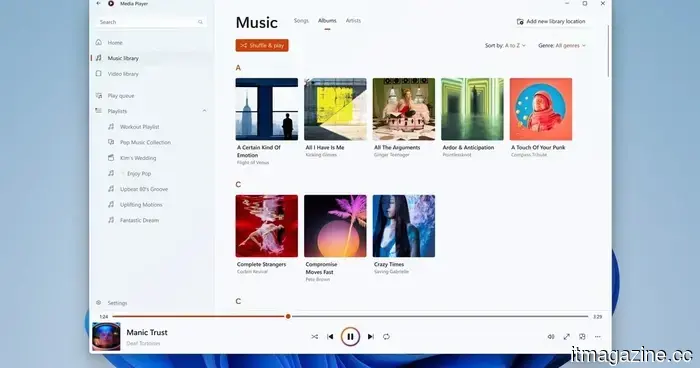 The modern Media Player in Windows 11 is somehow inferior to the version that was released 17 years ago.
The modern Media Player for Windows 11 from Microsoft has undergone an Insider Preview update; however, tests indicate that it still consumes more memory and launches videos more slowly compared to the classic version from the Windows 7 era.
The modern Media Player in Windows 11 is somehow inferior to the version that was released 17 years ago.
The modern Media Player for Windows 11 from Microsoft has undergone an Insider Preview update; however, tests indicate that it still consumes more memory and launches videos more slowly compared to the classic version from the Windows 7 era.
 Apple users are being targeted by a well-known tech support scam.
Following years of scammers pretending to be Microsoft support, reports indicate that Apple users are now experiencing a comparable surge of fraudulent tech support alerts.
Apple users are being targeted by a well-known tech support scam.
Following years of scammers pretending to be Microsoft support, reports indicate that Apple users are now experiencing a comparable surge of fraudulent tech support alerts.
 AirPods didn't eliminate public life; they made it simpler to navigate.
AirPods are often criticized for contributing to social isolation, yet these small earbuds have also turned into a common means of making noisy public environments more bearable.
AirPods didn't eliminate public life; they made it simpler to navigate.
AirPods are often criticized for contributing to social isolation, yet these small earbuds have also turned into a common means of making noisy public environments more bearable.
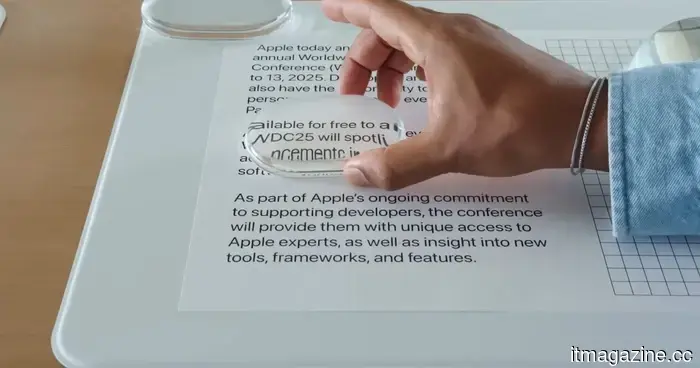 The Liquid Glass slider in iOS 27 may appear straightforward, but it proves to be more functional than I anticipated.
Having used iOS 27 on my iPhone for more than a week, I've discovered that the Liquid Glass slider is one of the most overlooked features of this update. Here’s an explanation of how it functions and why it’s worth giving a shot.
The Liquid Glass slider in iOS 27 may appear straightforward, but it proves to be more functional than I anticipated.
Having used iOS 27 on my iPhone for more than a week, I've discovered that the Liquid Glass slider is one of the most overlooked features of this update. Here’s an explanation of how it functions and why it’s worth giving a shot.
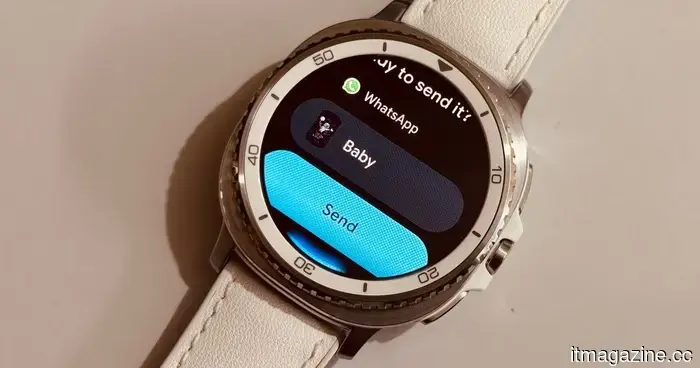 Samsung might postpone the release of the Galaxy Watch Classic this year, while the standard version and Ultra model could see the introduction of new color options.
Leaks regarding the new Galaxy Watch 9 confirm the absence of the rotating bezel for the Classic version, introduce a revamped Ultra 2, and reveal a new color range featuring an unexpected Beige option.
Samsung might postpone the release of the Galaxy Watch Classic this year, while the standard version and Ultra model could see the introduction of new color options.
Leaks regarding the new Galaxy Watch 9 confirm the absence of the rotating bezel for the Classic version, introduce a revamped Ultra 2, and reveal a new color range featuring an unexpected Beige option.
A study reveals that almost 60% of TikTok videos presented to new users are low-quality AI-generated content.
A Kapwing analysis of 10,742 TikTok videos revealed that 59% of the content presented to new accounts consists of AI-generated material deemed low quality, which is three times more than what is found on YouTube Shorts.