
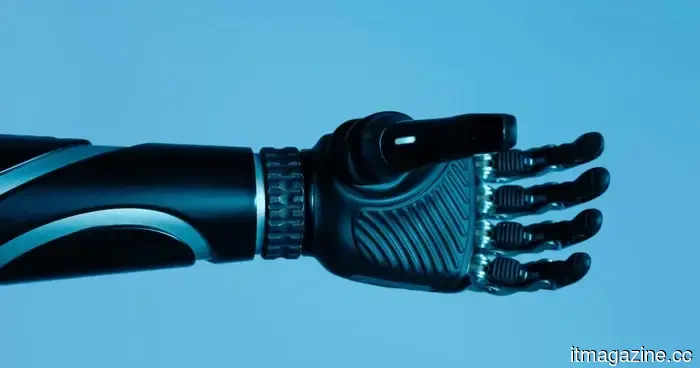
MIT specialists have created a unique memory system. While humans may forget, robots will simply retrieve the forgotten item.
MIT's new robot memory may make lost keys the robot's concern
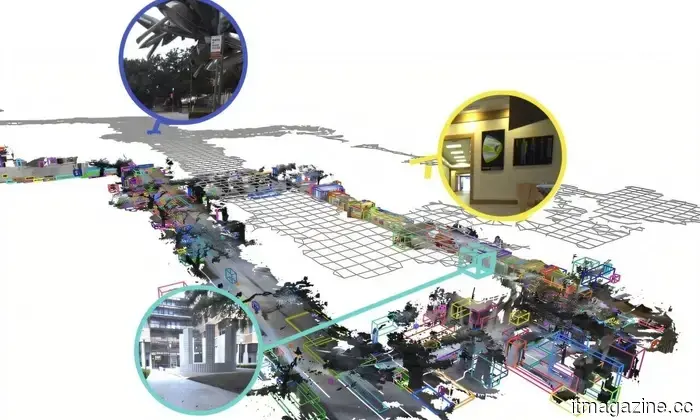
Robots could become invaluable companions for forgetful individuals. Researchers at MIT have developed a long-term memory system for robots that enables them to create a comprehensive mental map of extensive, complex environments. This system, called DAAAM—an acronym for Describe Anything, Anywhere, Anytime, at Any Moment—aims to allow robots to recall objects, places, and details over time.
While this may not seem particularly groundbreaking, robots still struggle with tasks that humans handle effortlessly. For instance, you might remember that your keys were on the kitchen counter last night or that a partially finished part was left in a factory bin. However, a robot working alongside you would have difficulty associating that object with its location meaningfully.
A map robots can truly understand
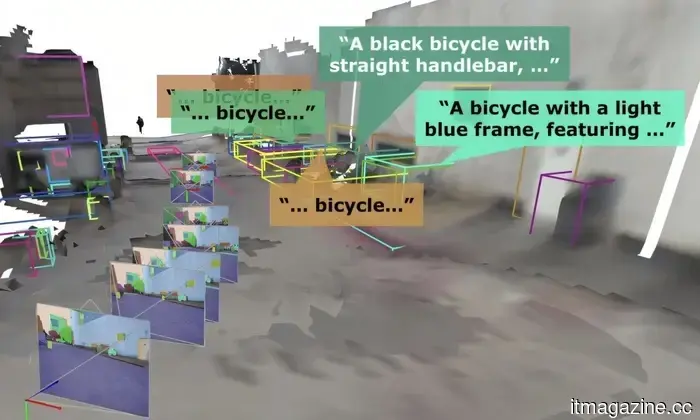
DAAAM seeks to address this challenge by integrating two technologies already used by robots: computer vision and 3D mapping. As a robot navigates its surroundings, it attaches detailed linguistic descriptions to the objects it observes and documents them in a spatial map. Consequently, rather than simply knowing an object exists at a specific coordinate, the robot could recall that there is a red bicycle with a flat tire near a certain building, or that a particular tool was spotted in a designated work area.
This would enable a person to ask questions like, “Where did I leave my wallet?” or “Fetch the component we started assembling last night,” and the robot could retrieve the relevant object and location from its memory.
Not ready for home use... yet
MIT's DAAAM is capable of running quickly enough for real-time use by mobile robots. The researchers found that it provided more accurate answers than current techniques, depending on the type of inquiry. However, this feature won’t be available for your robot vacuum anytime soon. The findings were presented at the Conference on Computer Vision and Pattern Recognition, and a preprint of the paper is accessible.
Researchers are still making enhancements, such as improving the system’s confidence levels and enabling it to remember important events in an environment. For now, the concept is intriguing. While AI is a current buzzword, intelligence that translates into practical real-world uses sounds much more appealing.
Vikhyaat Vivek is a tech journalist and reviewer with seven years of experience focusing on consumer hardware.
This new video editor allows Claude to organize, generate, and edit directly on your timeline
For years, AI video tools have primarily existed outside the editing workflow. Users would generate a clip, download it, import it into their editor, and continue editing. A new application called Palmier Pro aims to streamline this process by incorporating AI directly into the video timeline.
The recently launched software, available for macOS, is promoted as a video editor that Claude can utilize. Instead of treating AI as a separate chatbot or content creator, Palmier enables an AI assistant to engage with an active video project and make modifications within it.
A peculiar little electric nose could be the key for smart refrigerators
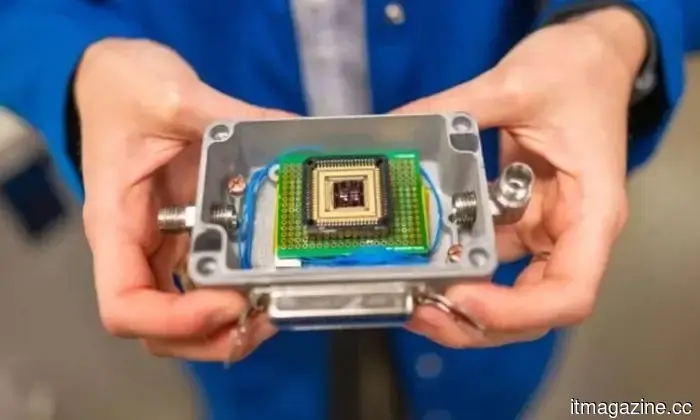
Researchers at UC Berkeley have developed an electric nose capable of detecting gases associated with spoiled food and common allergens more reliably than a human sniff test. This device employs a 16-sensor gas sensor chip that converts reactions with food-related gases into electrical signals.
Kitchen judgment can be tricky, as food doesn’t always look or smell dangerous before it becomes an issue. Milk, eggs, chicken, fruit, and nuts emit different chemical signatures, and individuals typically rely on their sense of smell in the moment to make judgments.
Samsung’s pet technology only requires a photo to identify health problems affecting your pets
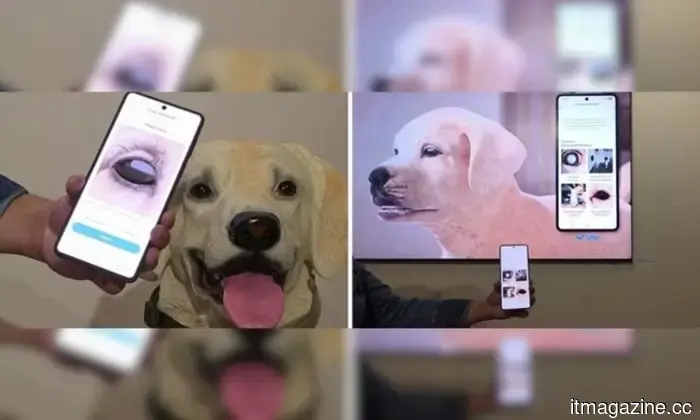
This is the first mainstream smartphone-based pet health monitoring system that doesn’t necessitate dedicated hardware.
Samsung has harnessed AI for various applications, from assessing your sleep quality to enhancing your TV display and monitoring the contents of your refrigerator. At VivaTech 2026 in Paris, the company introduced a more personal and practical application: a pet health feature that employs AI to alert users to potential health concerns before they escalate into costly vet bills.


Other articles
 This updated video editor allows Claude to organize, create, and edit directly within your timeline.
Palmier Pro is an open-source video editing tool that enables AI assistants such as Claude to arrange, create, and modify content right within a project timeline.
This updated video editor allows Claude to organize, create, and edit directly within your timeline.
Palmier Pro is an open-source video editing tool that enables AI assistants such as Claude to arrange, create, and modify content right within a project timeline.
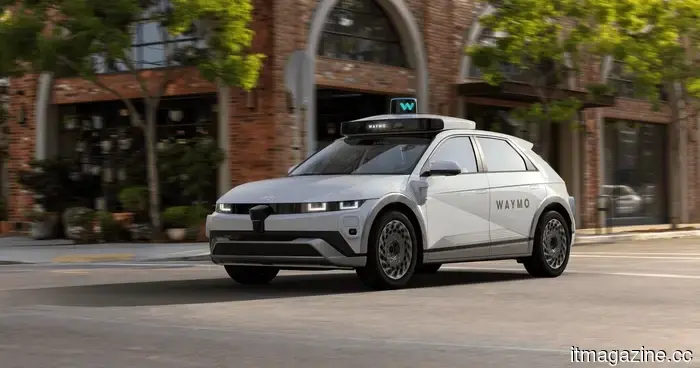 Waymo's robotaxis continue to encounter new obstacles, with construction zones being the most recent addition.
Waymo's robotaxis navigated highway construction areas 13 times before the company decided to remove the entire fleet from highway operations.
Waymo's robotaxis continue to encounter new obstacles, with construction zones being the most recent addition.
Waymo's robotaxis navigated highway construction areas 13 times before the company decided to remove the entire fleet from highway operations.
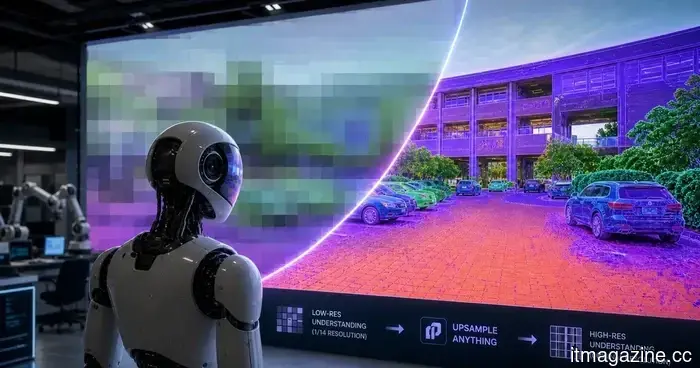 AI vision is becoming increasingly resource-intensive, and this approach helps to reduce its appetite.
KAIST's Upsample Anything addresses the memory challenge associated with enhanced on-device AI vision by recovering high-resolution visual details from compressed image data, enabling smartphones to avoid processing everything at full resolution initially.
AI vision is becoming increasingly resource-intensive, and this approach helps to reduce its appetite.
KAIST's Upsample Anything addresses the memory challenge associated with enhanced on-device AI vision by recovering high-resolution visual details from compressed image data, enabling smartphones to avoid processing everything at full resolution initially.
 Apple allows competitor app stores on iOS in Brazil.
Apple will permit alternative app marketplaces and third-party payment options in Brazil beginning with iOS 26.5, as a result of a CADE antitrust agreement. These modifications are similar to concessions made in the EU.
Apple allows competitor app stores on iOS in Brazil.
Apple will permit alternative app marketplaces and third-party payment options in Brazil beginning with iOS 26.5, as a result of a CADE antitrust agreement. These modifications are similar to concessions made in the EU.
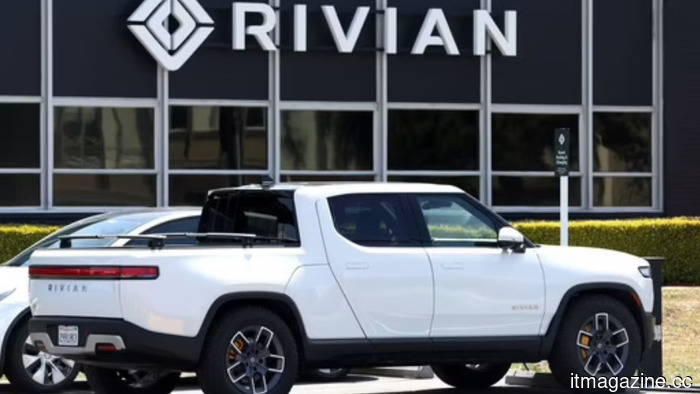 Rivian faces a lawsuit for making misleading claims about the self-driving capabilities of its first-generation R1.
A class action claims that Rivian spent five years guaranteeing hands-free driving for its R1T and R1S models, despite being aware that the first-generation hardware would never be able to support such features.
Rivian faces a lawsuit for making misleading claims about the self-driving capabilities of its first-generation R1.
A class action claims that Rivian spent five years guaranteeing hands-free driving for its R1T and R1S models, despite being aware that the first-generation hardware would never be able to support such features.
 BMW cuts profit outlook as China puts pressure on Europe.
BMW has revised its forecast for the car division's profit margin down to as low as 1%. Chinese manufacturers now account for almost 10% of the car market in Europe, while significantly reducing European profits in China.
BMW cuts profit outlook as China puts pressure on Europe.
BMW has revised its forecast for the car division's profit margin down to as low as 1%. Chinese manufacturers now account for almost 10% of the car market in Europe, while significantly reducing European profits in China.
MIT specialists have created a unique memory system. While humans may forget, robots will simply retrieve the forgotten item.
Researchers at MIT have created an AI memory system that enables robots to retain information about objects, places, and specifics from real-world settings over time.