
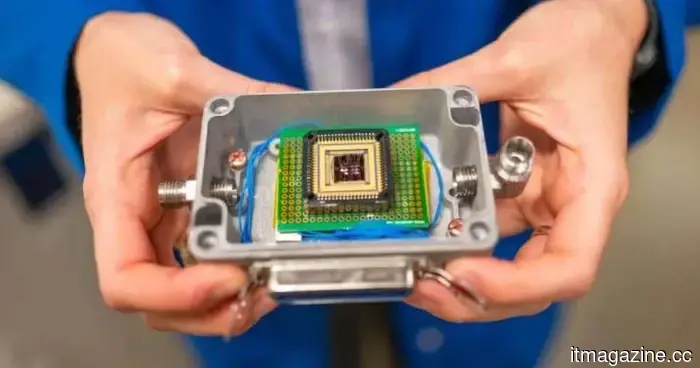
An unusual small electronic sensor could be the key component for smart refrigerators.
Researchers at UC Berkeley have developed an electric nose capable of detecting gases associated with spoiled food and common allergens more reliably than a human sniff test. The device incorporates a gas sensor chip with 16 sensors that convert reactions with food-related gases into electrical signals.
Judging food safety in the kitchen can be challenging since food doesn't always look or smell dangerous before it spoils. Milk, eggs, chicken, fruit, and nuts emit various chemical signatures, and individuals often rely on their sense of smell in the moment to make decisions.
The research is still in the laboratory phase, but the end goal is clear. Smart refrigerators won’t be truly intelligent if they only monitor shelf space, settings, and inventory, neglecting the changing chemical factors within.
**Brandon Sánchez-Mejia / UC Berkeley**
**How the Electric Nose Functions**
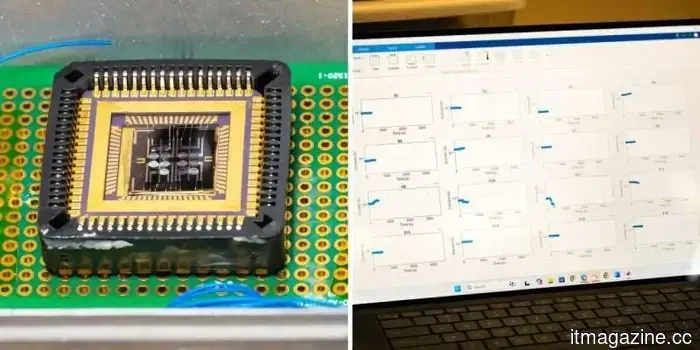
Each sensor on the chip features a distinct sensing film, allowing the gases from food to generate a response across the sensor array instead of a simple yes-or-no answer. A machine learning model analyzes this response pattern to categorize the scent profile.
The researchers trained the system using strawberries, blueberries, bananas, walnuts, hazelnuts, cashews, peanuts, raw chicken, milk, and eggs. For chicken, milk, and eggs, the model also utilized samples tested fresh and after being left at room temperature for 24 and 48 hours.
An illustration from UC Berkeley of the chip highlights why this method is more intricate than a basic detector. Various sensing materials react to gas molecules, and software connects those reactions to specific foods or scents.
**The Need for Smell in Smart Fridges**
Food safety is influenced by chemistry, storage, and time, making printed expiration dates and quick smell tests insufficient indicators. A refrigerator equipped with gas sensing could directly identify spoilage signals, eliminating uncertainty for users.
UC Berkeley’s team opted for carbon nanotubes instead of a hotter metal oxide design, allowing the sensor to function at room temperature. This choice enables the use of a greater variety of sensing materials, including polymers, and supports a simpler drop-casting fabrication technique.
**Brandon Sánchez-Mejia / UC Berkeley**
For connected appliances, this development is practical. A refrigerator capable of identifying aging chicken or trace allergens would serve a clearer purpose than just another app dashboard.
**When Will Kitchens Actually Have It?**
Real kitchens present the next testing phase. The device successfully detected 0.05 grams of isolated walnut, equivalent to about one-hundredth of an average shelled walnut. However, the team has yet to demonstrate its efficiency when different smells overlap in salads, cakes, or crowded refrigerators.
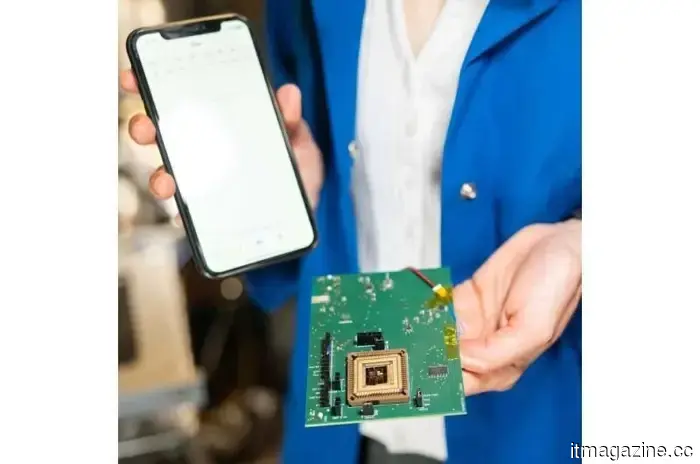
A portable version compatible with an iPhone app already exists, but it was not included in the published study. The next significant benchmark will involve broader tests to assess sensitivity and reliability in chaotic, mixed-food environments, as that will determine whether a future fridge sensor can succeed or fall short.
Other articles
 Life360 has introduced a feature that allows parents to request Uber rides for their teenagers directly from the app.
Life360 has incorporated Uber Family, enabling parents to request rides based on their teen's live location. Uber's teen accounts have successfully completed millions of rides worldwide.
Life360 has introduced a feature that allows parents to request Uber rides for their teenagers directly from the app.
Life360 has incorporated Uber Family, enabling parents to request rides based on their teen's live location. Uber's teen accounts have successfully completed millions of rides worldwide.
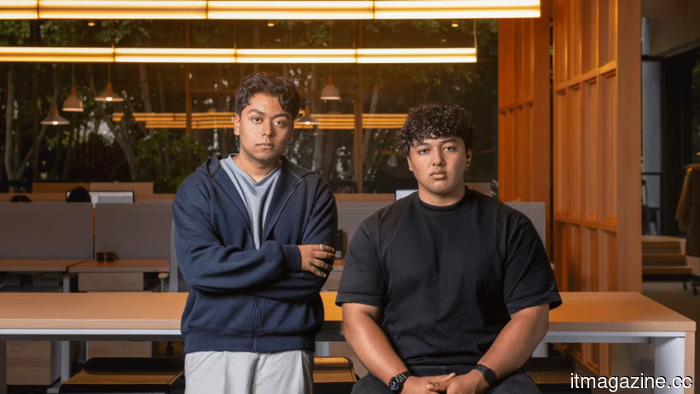 Architect Labs secures $24 million for the design of custom AI chips.
Architect Labs secured $24 million in seed funding, led by Kindred Ventures, to develop an AI that creates and verifies custom chips, aiming to compete with Broadcom and Marvell.
Architect Labs secures $24 million for the design of custom AI chips.
Architect Labs secured $24 million in seed funding, led by Kindred Ventures, to develop an AI that creates and verifies custom chips, aiming to compete with Broadcom and Marvell.
 Within the uprising at Meta's Applied AI division
Meta's Applied AI unit, comprising 6,500 employees, is experiencing significant unrest, as top engineers are being assigned to data labeling tasks, and even the CTO has labeled the reorganization as 'atrocious'.
Within the uprising at Meta's Applied AI division
Meta's Applied AI unit, comprising 6,500 employees, is experiencing significant unrest, as top engineers are being assigned to data labeling tasks, and even the CTO has labeled the reorganization as 'atrocious'.
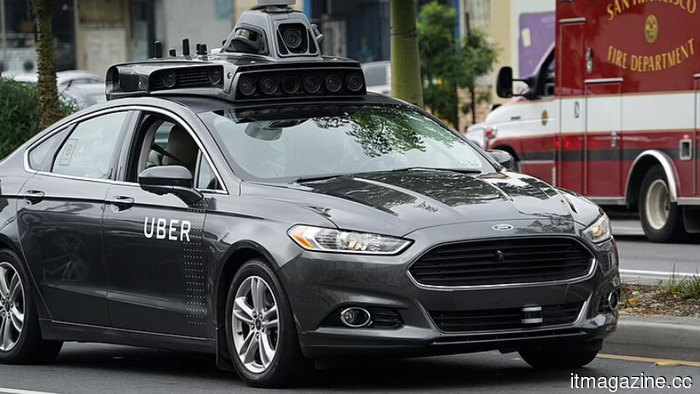 Life360 now allows parents to request Uber rides for their teenagers directly from the app.
Life360 incorporated Uber Family, enabling parents to request rides to their teen's current location. Uber teen accounts have successfully completed tens of millions of trips worldwide.
Life360 now allows parents to request Uber rides for their teenagers directly from the app.
Life360 incorporated Uber Family, enabling parents to request rides to their teen's current location. Uber teen accounts have successfully completed tens of millions of trips worldwide.
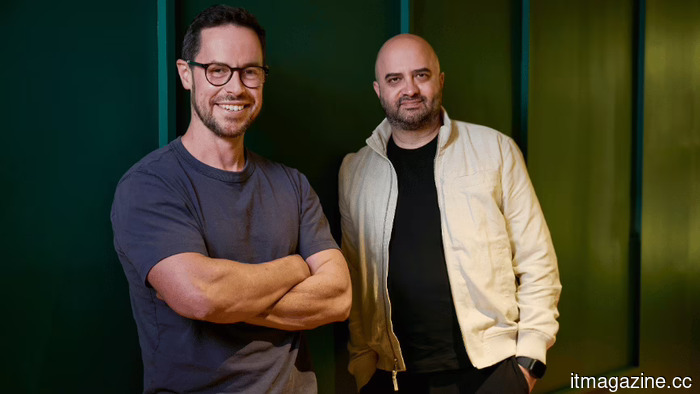 Verse, supported by Nvidia, has secured $54 million to enhance AI data center capabilities.
Verse secured $54 million in a Series B funding round led by Bessemer, with support from Nvidia, to assist AI data centers in bypassing the grid queue through the use of on-site batteries.
Verse, supported by Nvidia, has secured $54 million to enhance AI data center capabilities.
Verse secured $54 million in a Series B funding round led by Bessemer, with support from Nvidia, to assist AI data centers in bypassing the grid queue through the use of on-site batteries.
 Adobe's significant week for AI: Firefly, Disney, Semrush, LinkedIn
Within three days, Adobe integrated an AI agent into Photoshop, finalized a deal with Disney Firefly, introduced a tool for monitoring brands in ChatGPT, and collaborated with LinkedIn.
Adobe's significant week for AI: Firefly, Disney, Semrush, LinkedIn
Within three days, Adobe integrated an AI agent into Photoshop, finalized a deal with Disney Firefly, introduced a tool for monitoring brands in ChatGPT, and collaborated with LinkedIn.
An unusual small electronic sensor could be the key component for smart refrigerators.
The electric nose developed by UC Berkeley employs a carbon nanotube gas sensor chip to identify spoiled food and allergens; however, the true challenge lies in navigating crowded refrigerators and the odors of mixed foods.