
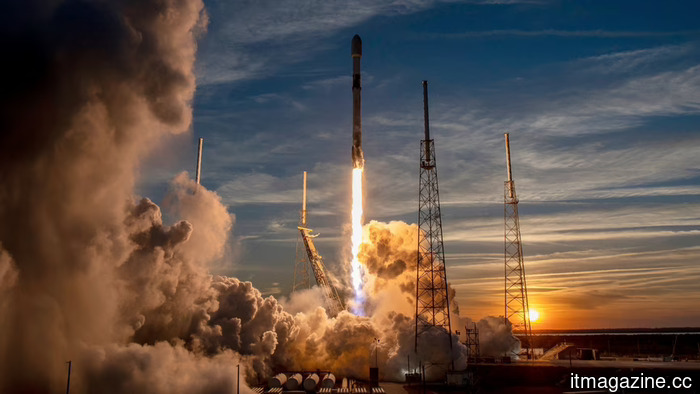
Discussions about a merger between SpaceX and Tesla become more serious following the IPO.
A merger between SpaceX and Tesla has transitioned from speculation to a potential plan. On the day that SpaceX commenced trading, those around Elon Musk began to entertain the idea more seriously.
SpaceX President Gwynne Shotwell initiated the discussion. When CNBC inquired about the merger rumors, she mentioned that such an alliance “might make Elon’s life a bit easier.” She also noted that “there are synergies between Tesla and SpaceX in our futures.” However, she tempered her remarks by stating, “Right now I’m focused on keeping the lights on here,” highlighting ongoing projects like rockets, the space station, and broadband. The implication was clear: not at this moment, but perhaps in the future.
Two developments occurred this week. First, SpaceX launched its public trading with a valuation of $1.77 trillion, making Musk the first trillionaire. Second, the company’s filing indicated the potential for issuing “significant equity” to finance transactions.
The public stock serves as a currency for mergers; SpaceX can now use its shares, which carry a daily market price, for acquisitions. Shotwell acknowledged this, saying, “M&A is in the future, especially in the context of the AI world.”
Consolidation within the empire is already underway. SpaceX acquired xAI in February, valued at $250 billion. Tesla remains the largest entity yet to be integrated. Musk is now managing two publicly-traded companies simultaneously.
The connections between Tesla and SpaceX are already extensive. Tesla owns a stake in SpaceX, and Starlink technology is being integrated into Tesla’s upcoming Cybercab. The two companies are collaborating on Terafab, a large-scale chip project, with Intel providing the components.
Additionally, Tesla shares manufacturing techniques with SpaceX, and SpaceX invested $131 million in Cybertrucks last year—indicating overlapping supply chains.
A former Tesla director, Steve Westly, put it candidly, stating that the amalgamation of Tesla into SpaceX is “absolutely likely.” He pointed out “many governance issues,” yet suggested it would occur regardless. CNBC reported in May that Musk has discussed this possibility with his team.
However, there are challenges regarding control and valuation. Musk already possesses over 80% of SpaceX’s voting rights, granting him ultimate authority, even over his own ousting. A merger would extend this control to a second trillion-dollar entity.
The valuation poses another challenge, as SpaceX recorded a loss of nearly $5 billion last year. A Danish pension fund has deemed the IPO overvalued, while Morningstar assesses its fair value at around $780 billion, less than half of the IPO price.
Westly highlighted the essential benchmark: SpaceX needs to achieve at least two of its three major goals—rockets, Starlink, and AI—to maintain its current valuation. Incorporating Tesla would introduce two additional ventures, self-driving cars and humanoid robots, neither of which is currently profitable.
For now, Shotwell is focused on maintaining momentum with the rockets. While she didn’t dismiss the possibility of a merger, her comments underscored that on this ambitious day, that was the essence of the message.
Other articles
 Pleo's layoffs occurred just one day after the launch of its finance AI agent.
The day after Pleo introduced AI agents for finance teams, reports emerged about new layoffs at Pleo: 50 employees, primarily from engineering and data departments, as its valuation declined.
Pleo's layoffs occurred just one day after the launch of its finance AI agent.
The day after Pleo introduced AI agents for finance teams, reports emerged about new layoffs at Pleo: 50 employees, primarily from engineering and data departments, as its valuation declined.
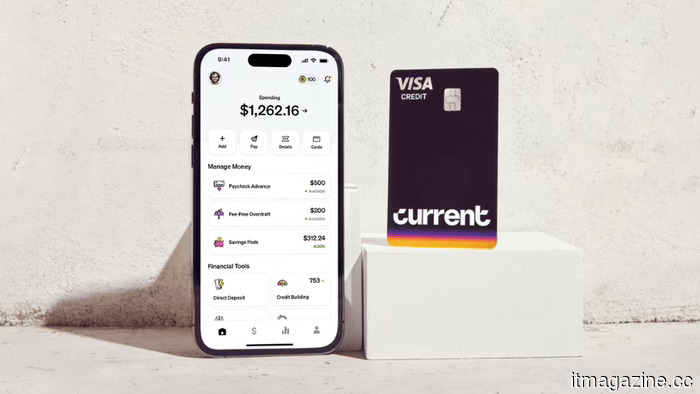 The current Series E values the neobank at a level lower than its peak in 2021.
The ongoing Series E values the US neobank at $1.5 billion, which is a third less than its peak in 2021, despite a 70% increase in revenue for the third consecutive year. The aim is to go public.
The current Series E values the neobank at a level lower than its peak in 2021.
The ongoing Series E values the US neobank at $1.5 billion, which is a third less than its peak in 2021, despite a 70% increase in revenue for the third consecutive year. The aim is to go public.
 SpaceX's IPO pushes Musk to trillionaire status at the cost of retirees.
SpaceX's unprecedented $75 billion IPO propelled Elon Musk's wealth beyond $1 trillion. The Nasdaq's expedited index regulations now require retirement funds to invest in shares of a company that is not currently profitable.
SpaceX's IPO pushes Musk to trillionaire status at the cost of retirees.
SpaceX's unprecedented $75 billion IPO propelled Elon Musk's wealth beyond $1 trillion. The Nasdaq's expedited index regulations now require retirement funds to invest in shares of a company that is not currently profitable.
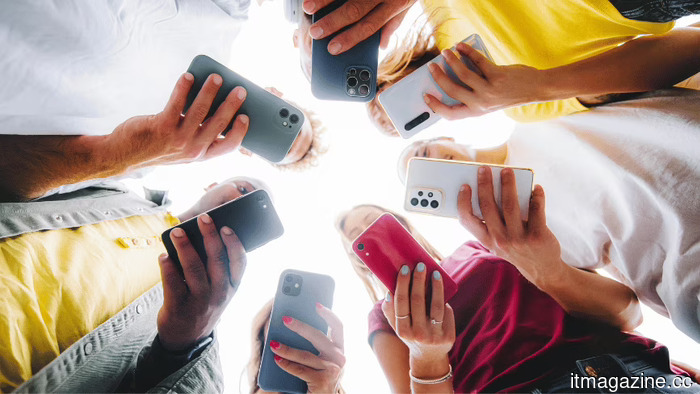 UK under-16 social media prohibition: what Starmer is preparing to implement
Keir Starmer is expected to declare a ban on social media for those under 16 in the UK within the coming days. The child-safety organizations that advocated for this measure warn that an outright ban might have unintended consequences.
UK under-16 social media prohibition: what Starmer is preparing to implement
Keir Starmer is expected to declare a ban on social media for those under 16 in the UK within the coming days. The child-safety organizations that advocated for this measure warn that an outright ban might have unintended consequences.
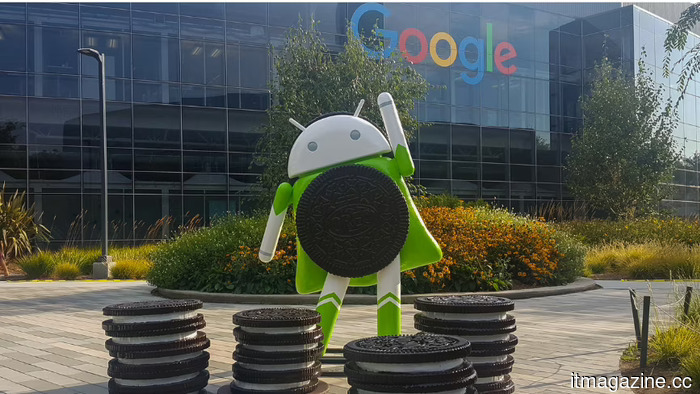 Google takes legal action against a scam operation that utilized Gemini AI to create fraudulent websites.
Google has filed a lawsuit against the Outsider Enterprise, an alleged Chinese cybercrime operation accused of utilizing Gemini AI to dispatch 2.5 million scam messages to Android users.
Google takes legal action against a scam operation that utilized Gemini AI to create fraudulent websites.
Google has filed a lawsuit against the Outsider Enterprise, an alleged Chinese cybercrime operation accused of utilizing Gemini AI to dispatch 2.5 million scam messages to Android users.
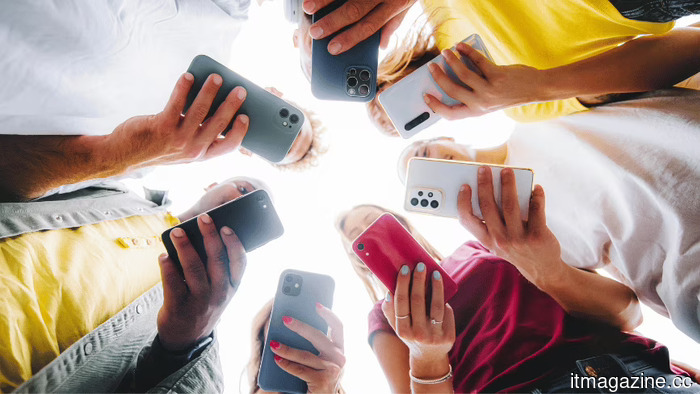 UK under-16 social media prohibition: what Starmer is set to implement.
Keir Starmer is expected to reveal a ban on social media for individuals under 16 in the UK within a few days. The child-safety organizations that advocated for this measure warn that an all-encompassing ban might have negative consequences.
UK under-16 social media prohibition: what Starmer is set to implement.
Keir Starmer is expected to reveal a ban on social media for individuals under 16 in the UK within a few days. The child-safety organizations that advocated for this measure warn that an all-encompassing ban might have negative consequences.
Discussions about a merger between SpaceX and Tesla become more serious following the IPO.
On its inaugural public day, SpaceX suggested the possibility of merging with Tesla, and a former director indicated that it was plausible. Here's why the discussions about a SpaceX-Tesla merger are significant.