
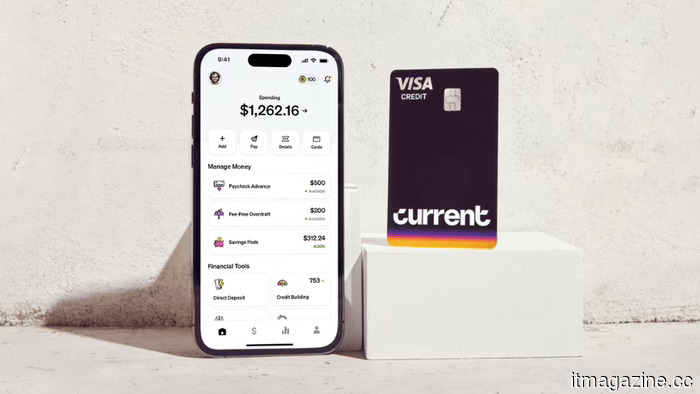
The current Series E values the neobank at a level lower than its peak in 2021.
The Current Series E is underway. The New York neobank has secured $80 million, led by Springcoast Partners, with a valuation of $1.5 billion.
However, that headline conceals a deeper narrative. In 2021, Andreessen Horowitz had valued Current at $2.2 billion, meaning this new round comes in about a third lower than that peak valuation.
This indicates a down round, though the company claims it reflects strength. Last year, revenue increased by over 70%, marking the third consecutive year of growth. Current aims to achieve profitability by 2026.
While growth is on the rise, valuation has declined. This discrepancy encapsulates the broader post-2021 fintech landscape. During 2021, capital was easily accessible, resulting in valuations exceeding revenue figures.
As interest rates increased, the market adjusted. Current has adjusted to its previous valuation rather than surpassing it. Revenue continued to climb, but reaching the $2.2 billion mark will take additional time.
The financial trajectory is telling. A Series C led by Tiger Global valued Current at $750 million in 2020, and just five months later, the Series D tripled that value. This recent round reflects a more cautious approach to fintech financing.
What the Current Series E funds involves Current offering banking services to Americans living paycheck to paycheck. The app consolidates spending, saving, investing, and early wage access. A secured “Build” card assists users in improving their credit scores.
Technically, Current is not classified as a bank; rather, it is a fintech that allocates customer deposits to partners like Cross River Bank and Choice Financial Group.
Stuart Sopp, who previously worked as a trader at Morgan Stanley, co-founded Current in 2015. The company expanded rapidly during the pandemic, especially when stimulus payments were deposited early. In December 2024, Current raised additional equity and debt due to record growth, as reported by Axios.
The new funding will support ongoing initiatives, incorporating an AI component. Current will enhance its banking, payments, liquidity, and credit offerings. The company also strengthened its financing relationships with Cross River and General Catalyst’s Customer Value Fund to scale lending operations.
Sopp and Chief Technology Officer Trevor Marshall refer to their approach to AI as “return on tokens,” emphasizing that they measure the return on each dollar spent on AI rather than investing without assurance.
The fundraising round appears to serve as pre-IPO preparation. Springcoast is now a board member, and the list of investors, which includes a16z, Tiger Global, Wellington, Sapphire, and QED, indicates a preference for an exit strategy.
Sopp is clear about the goal, stating that this round “reflects confidence in the strength of our business, our progress toward public market readiness, and the value we’re creating for millions of members.”
Current finds itself among many competitors. Klarna is adding savings accounts to its US app as it seeks to become more bank-like, while Monzo exited the US market to pursue a listing in London. The U.S. IPO landscape is rapidly filling up.
Sector pressure is evident; the latest results from Starling in the UK indicate that investors now expect sustainable profits from neobanks rather than just growth.
The bullish perspective is straightforward. A neobank achieving 70% annual growth, reaching profitability, and generating legitimate lending revenue could position itself well for an IPO. The bearish perspective, however, takes into account the down round itself. Public investors, unlike their private counterparts from 2021, will evaluate Current based on its earnings, not potential.
Other articles
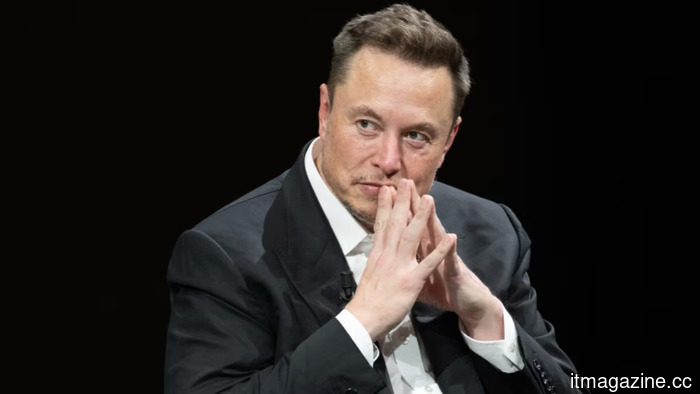 SpaceX's IPO pushes Musk to trillionaire status at the cost of retirees.
SpaceX's unprecedented $75 billion IPO propelled Elon Musk's wealth beyond $1 trillion. The Nasdaq's expedited index regulations now require retirement funds to invest in shares of a company that is not currently profitable.
SpaceX's IPO pushes Musk to trillionaire status at the cost of retirees.
SpaceX's unprecedented $75 billion IPO propelled Elon Musk's wealth beyond $1 trillion. The Nasdaq's expedited index regulations now require retirement funds to invest in shares of a company that is not currently profitable.
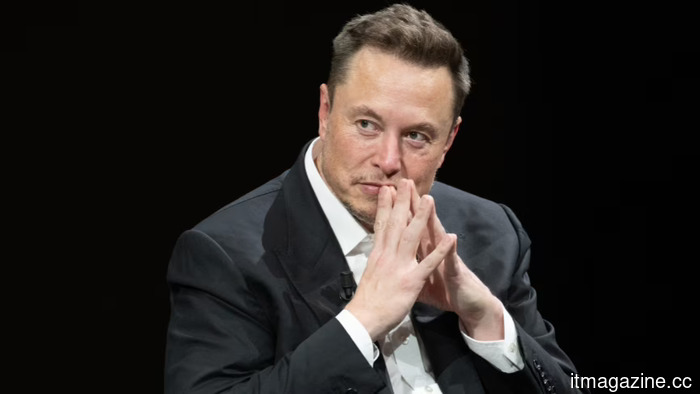 SpaceX's IPO turns Musk into a trillionaire at the expense of retirees.
SpaceX's unprecedented $75 billion IPO propelled Elon Musk beyond the $1 trillion mark. The Nasdaq's expedited index regulations now require retirement funds to acquire shares in a company that is currently operating at a loss.
SpaceX's IPO turns Musk into a trillionaire at the expense of retirees.
SpaceX's unprecedented $75 billion IPO propelled Elon Musk beyond the $1 trillion mark. The Nasdaq's expedited index regulations now require retirement funds to acquire shares in a company that is currently operating at a loss.
 Boox's compact e-reader, designed for comfortable handling, will delight book lovers with its stylus and charming appearance.
The Boox Go 6 Gen II has been introduced as a compact 6-inch e-reader that supports stylus use, allowing users to annotate books, take brief notes, and conveniently carry it as a lightweight travel companion.
Boox's compact e-reader, designed for comfortable handling, will delight book lovers with its stylus and charming appearance.
The Boox Go 6 Gen II has been introduced as a compact 6-inch e-reader that supports stylus use, allowing users to annotate books, take brief notes, and conveniently carry it as a lightweight travel companion.
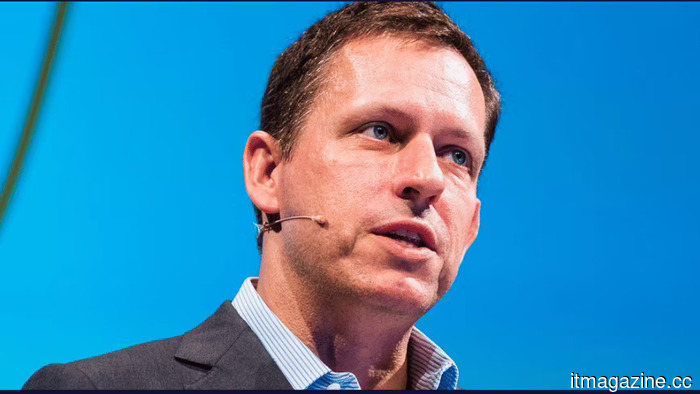 Founders Fund's investment in SpaceX has now surpassed a value of $50 billion.
Founders Fund has invested approximately $600 million in SpaceX over almost two decades. Based on the IPO valuation, the value of Founders Fund's stake in SpaceX exceeds $50 billion, at least on paper.
Founders Fund's investment in SpaceX has now surpassed a value of $50 billion.
Founders Fund has invested approximately $600 million in SpaceX over almost two decades. Based on the IPO valuation, the value of Founders Fund's stake in SpaceX exceeds $50 billion, at least on paper.
 UK under-16 social media prohibition: what Starmer is set to implement.
Keir Starmer is expected to reveal a ban on social media for individuals under 16 in the UK within a few days. The child-safety organizations that advocated for this measure warn that an all-encompassing ban might have negative consequences.
UK under-16 social media prohibition: what Starmer is set to implement.
Keir Starmer is expected to reveal a ban on social media for individuals under 16 in the UK within a few days. The child-safety organizations that advocated for this measure warn that an all-encompassing ban might have negative consequences.
 UK under-16 social media prohibition: what Starmer is preparing to implement
Keir Starmer is expected to declare a ban on social media for those under 16 in the UK within the coming days. The child-safety organizations that advocated for this measure warn that an outright ban might have unintended consequences.
UK under-16 social media prohibition: what Starmer is preparing to implement
Keir Starmer is expected to declare a ban on social media for those under 16 in the UK within the coming days. The child-safety organizations that advocated for this measure warn that an outright ban might have unintended consequences.
The current Series E values the neobank at a level lower than its peak in 2021.
The ongoing Series E values the US neobank at $1.5 billion, which is a third less than its peak in 2021, despite a 70% increase in revenue for the third consecutive year. The aim is to go public.