

UK under-16 social media prohibition: what Starmer is preparing to implement
A proposed social media ban for under-16s in the UK, once considered a fringe concept, is now on the verge of becoming government policy. Ministers are anticipated to present the plan to Parliament on Monday, ahead of the Makerfield by-election on 18 June, as reported by POLITICO, citing sources from the Department for Science, Innovation and Technology and No. 10. However, the timing could still change.
The political reasoning behind this is clear. Keir Starmer, who is under pressure to maintain his position, is aiming for a decisive victory, and public sentiment appears to support him. The government's initiative involving a “national conversation” about growing up online received over 116,000 responses, marking the largest engagement since the Conservatives proposed the legalization of same-sex marriage in 2012.
Last week, the government stated that 89 percent of parents who participated in the conversation endorsed establishing a legal minimum age for social media access. The necessary powers are already established through Part 3 of the Children’s Wellbeing and Schools Act 2026, which received royal assent on 29 April, allowing ministers to set age or functionality limits via regulations without needing to create new laws for each technological advancement.
According to POLITICO, the focus is expected to be on restricting access to specific platforms, as well as livestreaming, disappearing messages, and features that enable adult-child communication. Discussions continue regarding curfews for 16- and 17-year-olds, and the government has yet to disclose which platforms will be impacted.
The definition of what a “ban” entails remains unresolved. Just this past Tuesday, a DSIT official mentioned at a conference in Brussels that a final decision had not been reached. The department refrained from commenting on speculation, with a spokesperson asserting their commitment to act swiftly in a manner that is “effective, enforceable, and truly safeguards children,” with a comprehensive response expected “by the summer.”
This uncertainty has triggered a lobbying frenzy, with some platforms only scheduled for briefings shortly before the announcement, as they seek exemptions before the regulations are finalized. However, the deeper divide lies not between the government and the platforms, but within the child-safety advocacy community itself.
This is where the situation gets complex. In February, 42 child-protection organizations, including the NSPCC and the 5Rights Foundation, cautioned that a blanket ban constitutes “a blunt response” that does not effectively tackle the ongoing issues associated with technology companies. Ian Russell, who founded the Molly Rose Foundation after the suicide of his 14-year-old daughter, expressed concerns that bans “risk unintended consequences” and “allow social media platforms to evade responsibility.”
Chris Sherwood, the chief executive of the NSPCC, made a pragmatic argument, stating that for many children, social media serves as “a lifeline,” and an abrupt ban could drive teenagers into “darker, unregulated areas of the internet.” He contended that proper enforcement of age limits, curtailing addictive designs, and implementing safety-by-design responsibilities would better protect children than merely erecting an age barrier. This rationale mirrors the lawsuits aiming to make products safer, rather than simply distancing individuals from them.
There remains an unresolved enforcement challenge: how can ages be verified without monitoring everyone? Australia, the first nation to implement a ban for those under 16, has employed age-estimation technology that has proven to be inaccurate by two to three years. Evan Spiegel of Snapchat has suggested that age checks should occur at the app-store level to minimize the frequency of personal data sharing. Snapchat has begun isolating its youngest users from public posting, and Apple is preparing to roll out its most significant parental controls update in years in advance of the forthcoming deadlines.
Civil-liberties organizations in the UK warn of broader implications. Big Brother Watch describes the related plan to restrict children's use of VPNs as “draconian,” cautioning that it would necessitate age verification for all adults as well. The Open Rights Group highlights that existing age verification processes already send facial scans of users on platforms like Roblox, Reddit, and Discord to third-party entities, such as Persona, a company linked to Palantir co-founder Peter Thiel, without any UK oversight for approved providers. In October 2025, a data breach compromised the government-issued IDs of nearly 70,000 Discord users. Building a ban upon such systems replaces one type of child-safety risk with another related to data security.
None of this implies an argument for inaction. This year, Elon Musk's Grok produced around three million sexualized images in less than two weeks, including 23,000 that appeared to depict children, and Ofcom found it was unable to assess the situation because one-on-one chatbot interactions fall outside the scope of the Online Safety Act. Kendall asserts that the new powers will help close that loophole.
The disagreement does not center on whether to take action, but rather on whether prioritizing a barrier for under-
Other articles
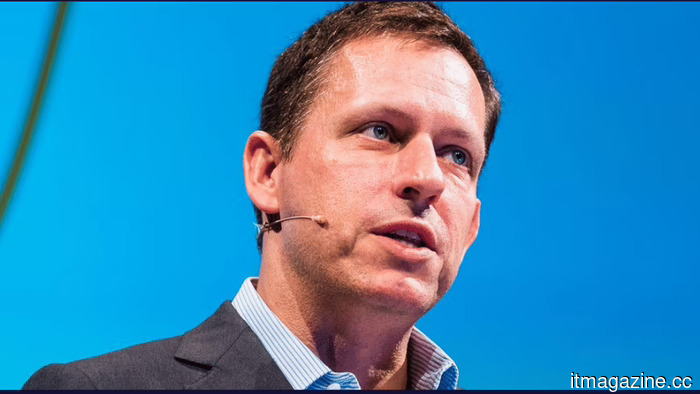 Founders Fund's investment in SpaceX is now valued at more than $50 billion.
Founders Fund has invested approximately $600 million in SpaceX over the course of nearly two decades. At the valuation associated with the IPO, the value of Founders Fund's stake in SpaceX is over $50 billion, theoretically.
Founders Fund's investment in SpaceX is now valued at more than $50 billion.
Founders Fund has invested approximately $600 million in SpaceX over the course of nearly two decades. At the valuation associated with the IPO, the value of Founders Fund's stake in SpaceX is over $50 billion, theoretically.
 UK under-16 social media prohibition: what Starmer is set to implement.
Keir Starmer is expected to reveal a ban on social media for individuals under 16 in the UK within a few days. The child-safety organizations that advocated for this measure warn that an all-encompassing ban might have negative consequences.
UK under-16 social media prohibition: what Starmer is set to implement.
Keir Starmer is expected to reveal a ban on social media for individuals under 16 in the UK within a few days. The child-safety organizations that advocated for this measure warn that an all-encompassing ban might have negative consequences.
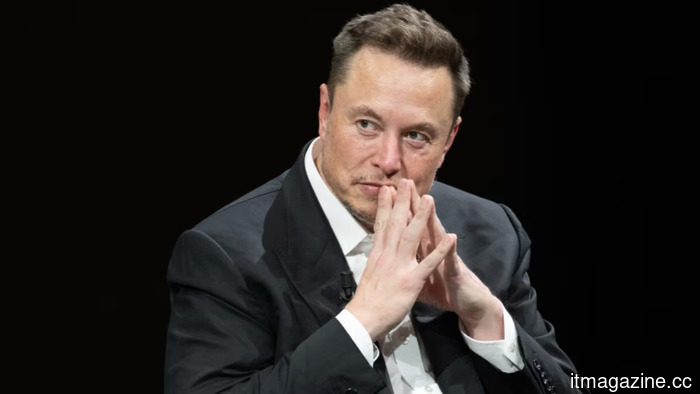 SpaceX's IPO pushes Musk to trillionaire status at the cost of retirees.
SpaceX's unprecedented $75 billion IPO propelled Elon Musk's wealth beyond $1 trillion. The Nasdaq's expedited index regulations now require retirement funds to invest in shares of a company that is not currently profitable.
SpaceX's IPO pushes Musk to trillionaire status at the cost of retirees.
SpaceX's unprecedented $75 billion IPO propelled Elon Musk's wealth beyond $1 trillion. The Nasdaq's expedited index regulations now require retirement funds to invest in shares of a company that is not currently profitable.
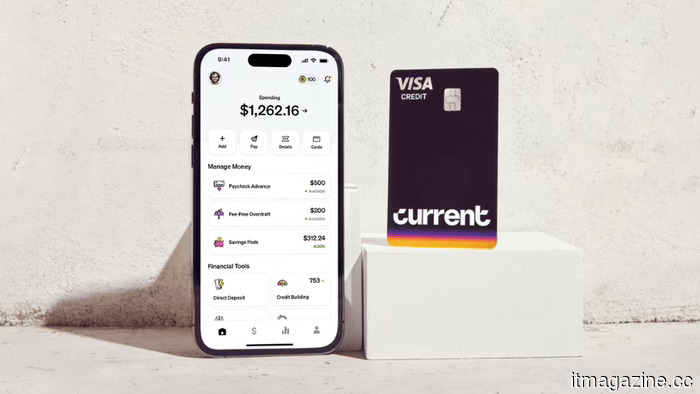 The current Series E values the neobank at a level lower than its peak in 2021.
The ongoing Series E values the US neobank at $1.5 billion, which is a third less than its peak in 2021, despite a 70% increase in revenue for the third consecutive year. The aim is to go public.
The current Series E values the neobank at a level lower than its peak in 2021.
The ongoing Series E values the US neobank at $1.5 billion, which is a third less than its peak in 2021, despite a 70% increase in revenue for the third consecutive year. The aim is to go public.
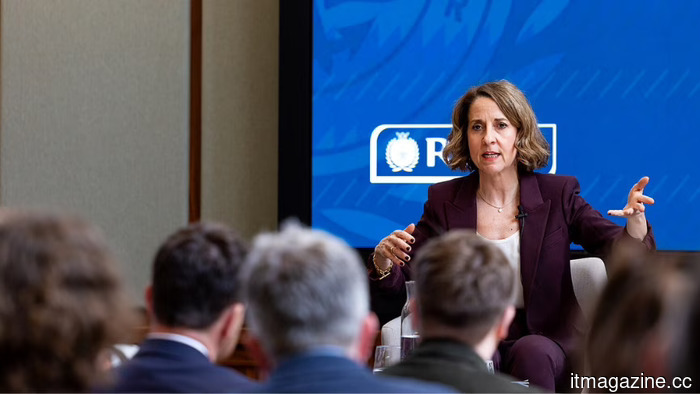 The technology leader in the UK is advocating for pension funds to invest in AI startups.
Liz Kendall promises legal changes aimed at directing institutional capital toward British technology companies; however, American firms continue to prevail in securing AI contracts from the UK government.
The technology leader in the UK is advocating for pension funds to invest in AI startups.
Liz Kendall promises legal changes aimed at directing institutional capital toward British technology companies; however, American firms continue to prevail in securing AI contracts from the UK government.
 Google takes legal action against a scam operation that utilized Gemini AI to create fraudulent websites.
Google has filed a lawsuit against the Outsider Enterprise, an alleged Chinese cybercrime operation accused of utilizing Gemini AI to dispatch 2.5 million scam messages to Android users.
Google takes legal action against a scam operation that utilized Gemini AI to create fraudulent websites.
Google has filed a lawsuit against the Outsider Enterprise, an alleged Chinese cybercrime operation accused of utilizing Gemini AI to dispatch 2.5 million scam messages to Android users.
UK under-16 social media prohibition: what Starmer is preparing to implement
Keir Starmer is expected to declare a ban on social media for those under 16 in the UK within the coming days. The child-safety organizations that advocated for this measure warn that an outright ban might have unintended consequences.