
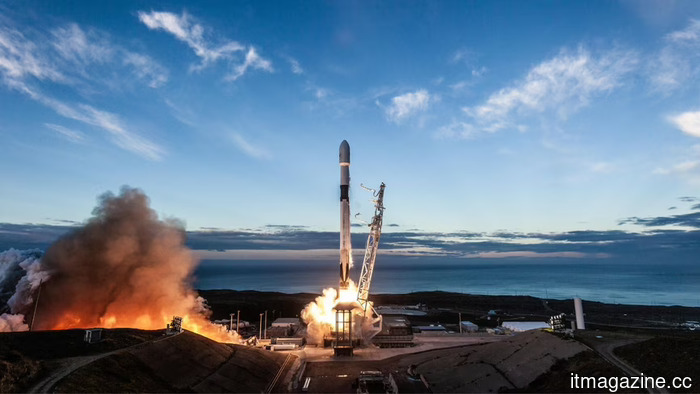
SpaceX's initial public offering: the true challenge lies with OpenAI and Anthropic.
The SpaceX IPO is poised to become the largest stock-market introduction in history this week, aiming to raise around $75 billion at a valuation close to $1.75 trillion, with shares set to trade on Nasdaq starting Friday. However, the most significant aspect of Elon Musk's space venture going public might relate less to rockets or Musk himself and more to its impact on others.
For the venture-capital sector, SpaceX represents a thaw following a lengthy period of stagnation. Only 23 venture-backed technology companies went public in the U.S. in 2025, a drop from 77 in the previous four years, leaving funds with substantial amounts of capital tied up in private investments and nowhere to direct it.
SpaceX’s listing, which is already nearly four times oversubscribed, provides the venture ecosystem with its first substantial payout in years. Early investors, such as Antonio Gracias's Valor Equity Partners, which holds about a 4 percent stake valued at nearly $70 billion at $135 a share, along with Peter Thiel's Founders Fund and Sequoia, are set to return tens of billions to their investors, who will likely reinvest much of that into emerging startups. Additionally, the IPO will create thousands of employee millionaires.
The implications for OpenAI and Anthropic are significant. Both companies have confidentially filed for public offerings, and along with SpaceX, they contribute to an IPO pipeline that could introduce $3.6 trillion of new stock to public markets. The way SpaceX performs in its initial weeks will inform investors on how to price these AI companies and test the market's readiness to absorb such a large volume of new equity simultaneously.
Wall Street is already expressing concern about the potential for "more shares than buyers," meaning that the debut serves as a true stress test rather than just a celebratory occasion. SpaceX aims for revenue multiples that exceed even those of Palantir, leaving "virtually no margin for error," as noted by PitchBook’s Franco Granda. Supporters highlight genuine income, such as the approximately $920 million monthly revenue from Google for Starlink capacity and around $1.25 billion monthly from Anthropic for AI infrastructure.
Critics recall the 2012 Facebook IPO, which fell after its listing and stalled the new issue market for over a year. A dip in SpaceX’s stock could negatively impact OpenAI and Anthropic before they even price their shares.
Several structural concerns persist. Musk retains around 79 percent of the voting rights with approximately 42 percent of the equity through a dual-class share structure, leading one Danish pension fund to avoid the deal. Moreover, various complex special-purpose vehicles have emerged to provide investors with exposure to SpaceX who could not buy directly.
Despite these issues, demand remains strong. However, a key question posed by Caplight’s Javier Avalos is whether any company can remain private for over 20 years, raise billions privately, and still have momentum upon going public. SpaceX is about to provide insight, and both OpenAI and Anthropic are closely observing the situation.
Other articles
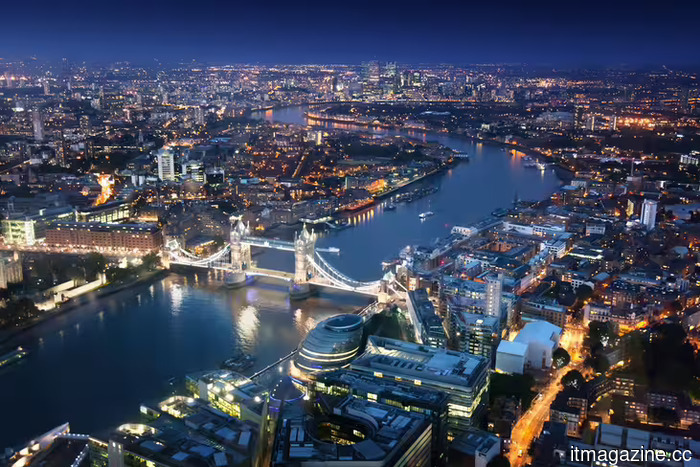 US AI leaders are converging on London. Here's the reason.
US AI powerhouses such as Anthropic and OpenAI are competing to grow their presence in London, securing unprecedented amounts of office space, despite the pressure this growth places on local UK startups.
US AI leaders are converging on London. Here's the reason.
US AI powerhouses such as Anthropic and OpenAI are competing to grow their presence in London, securing unprecedented amounts of office space, despite the pressure this growth places on local UK startups.
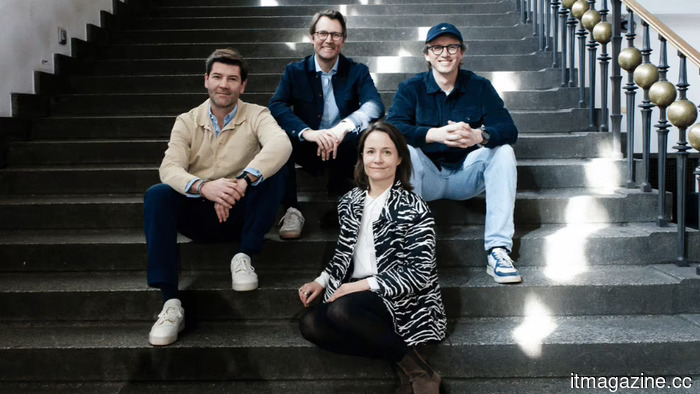 Vsquared is making its deep-tech investment move to London.
Germany's Vsquared Ventures has established a London office to compete with Atomico and Balderton, believing that a specialist in deep tech can succeed in the giants' own territory.
Vsquared is making its deep-tech investment move to London.
Germany's Vsquared Ventures has established a London office to compete with Atomico and Balderton, believing that a specialist in deep tech can succeed in the giants' own territory.
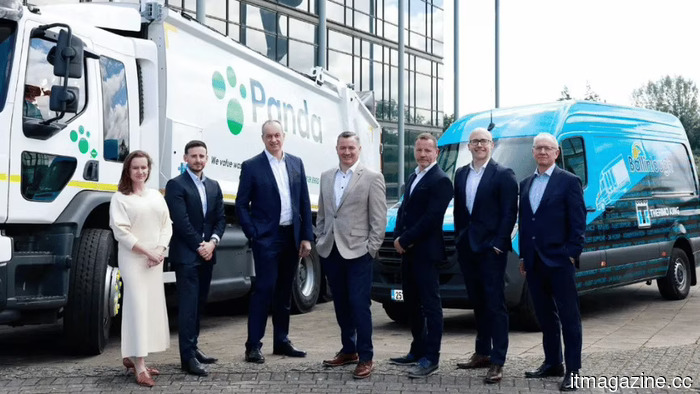 CameraMatics secures nearly €49M to compete with Samsara.
Irish AI fleet safety company CameraMatics has secured up to €49 million in funding, with Blume Equity at the helm and backed by ISIF and AIB, to grow its presence in North America and compete with Samsara and Lytx.
CameraMatics secures nearly €49M to compete with Samsara.
Irish AI fleet safety company CameraMatics has secured up to €49 million in funding, with Blume Equity at the helm and backed by ISIF and AIB, to grow its presence in North America and compete with Samsara and Lytx.
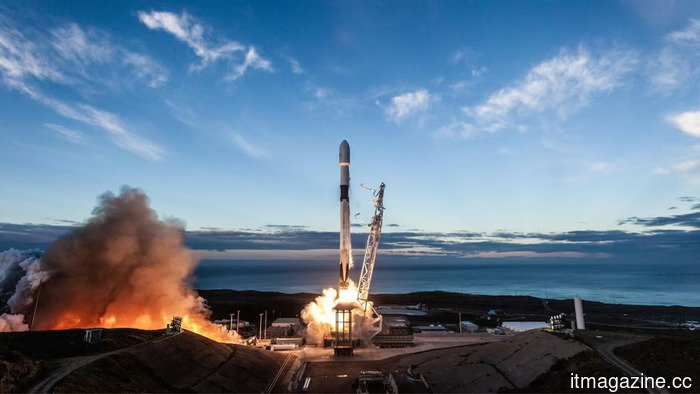 SpaceX's IPO: the true challenge lies with OpenAI and Anthropic.
The SpaceX IPO, a historic $75 billion transaction, is set to price this week. Its trading performance will establish the standard for the upcoming listings of OpenAI and Anthropic that are following it.
SpaceX's IPO: the true challenge lies with OpenAI and Anthropic.
The SpaceX IPO, a historic $75 billion transaction, is set to price this week. Its trading performance will establish the standard for the upcoming listings of OpenAI and Anthropic that are following it.
 Deezer's complimentary feature analyzes your playlists to identify AI-generated music.
Deezer introduced a free tool that analyzes your playlists from Spotify, Apple Music, or Tidal for tracks generated by AI, noting that AI accounts for 44% of daily uploads.
Deezer's complimentary feature analyzes your playlists to identify AI-generated music.
Deezer introduced a free tool that analyzes your playlists from Spotify, Apple Music, or Tidal for tracks generated by AI, noting that AI accounts for 44% of daily uploads.
 Are you awaiting your Framework Laptop 13 Pro? You'll have to wait a little while longer.
Framework has postponed the release of the Laptop 13 Pro by approximately a month due to issues identified with the haptic touchpad and display. Here’s what your customers should be aware of.
Are you awaiting your Framework Laptop 13 Pro? You'll have to wait a little while longer.
Framework has postponed the release of the Laptop 13 Pro by approximately a month due to issues identified with the haptic touchpad and display. Here’s what your customers should be aware of.
SpaceX's initial public offering: the true challenge lies with OpenAI and Anthropic.
The SpaceX IPO, a historic $75 billion deal, is priced this week. Its trading performance will establish the standard for the upcoming listings of OpenAI and Anthropic that are in the pipeline.