

Alphabet secures a record $85 billion in equity for AI infrastructure.
TL;DR: Alphabet secured $85 billion in the largest equity offering ever, supported by a $10 billion investment from Berkshire Hathaway. The funds will be allocated towards AI infrastructure as the company projects capital expenditures of up to $190 billion in 2026. The public markets have signified their confidence in AI with this substantial investment. Alphabet's equity offering, finalized on June 2, surpasses the previous record for any equity sale in any industry. Initially, the company intended to raise $40 billion but increased the amount to $45 billion due to high demand, as announced by CEO Sundar Pichai on X. A second tranche of $40 billion is expected next quarter, bringing the total to approximately $84.75 billion. Notable participants include Berkshire Hathaway, which usually isn't linked to AI investments, securing $10 billion in a private placement across Class A and Class C shares.
In terms of historical context, the previous largest equity offering was by Brazilian oil company Petroleo Brasileiro, which raised $70 billion in 2010, according to Bloomberg, with Alphabet exceeding it by over $14 billion. This investment is not just a gamble on a startup; Alphabet posted $109.9 billion in revenue for Q1 2026, marking a 22% year-on-year increase, with Google Cloud growing 63% to $20 billion. Already the second most valuable company globally, it is closing in on Nvidia.
The capital raised will focus on AI infrastructure, as Pichai described it as part of a multi-year strategy to seize AI opportunities. During Google I/O last month, he stated that Alphabet expects capital expenditures of $180 billion to $190 billion in 2026, up from an earlier estimate of $175 billion to $185 billion, predominantly for data centers and AI computing.
This timing coincides with Anthropic’s confidential IPO filing with the SEC on June 1, just before Alphabet's offering. Valued at $965 billion, Anthropic aims for a public listing potentially exceeding $1 trillion. OpenAI is also reportedly working on its filing. Both companies view Alphabet's successful fundraising as evidence that institutional investors are eager for substantial AI-related offerings. However, if public interest wanes, it could jeopardize the entire AI IPO narrative. Currently, demand appears strong.
A comparison to the dot-com era is evident, but analysts note a key difference: today's AI companies are profitable. Alphabet has healthy operating margins and is raising equity not out of necessity but because it anticipates significant returns from its AI investments.
Goldman Sachs estimates that a total of $4 trillion to $8 trillion will be invested in AI infrastructure over the next five years. This funding will need to come from company revenues, debt markets (where Alphabet has already accessed yen and euro bond markets this year), and equity sales like this. McKinsey’s recent research questions whether the productivity benefits of this expenditure will materialize at the necessary scale. If they do, Alphabet's $85 billion raise will be seen as opportune timing; if not, it may signal a moment when public markets overcommitted to unfulfilled promises.
For now, investors are putting their money where their confidence lies. Warren Buffett, who has traditionally shied away from tech stocks, recently invested $10 billion in Google’s AI future, which is noteworthy.
Other articles
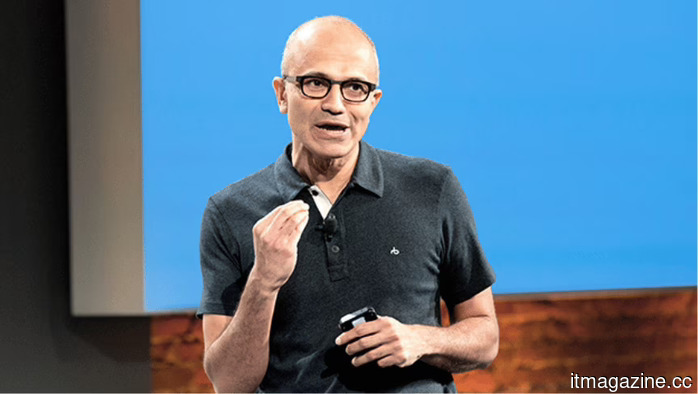 Microsoft excludes crucial compensation inquiries from employee survey findings.
Microsoft removed the question about its "good deal" compensation from the primary survey results. Employees are expressing their concerns on internal forums.
Microsoft excludes crucial compensation inquiries from employee survey findings.
Microsoft removed the question about its "good deal" compensation from the primary survey results. Employees are expressing their concerns on internal forums.
 Meta has spun off the Supernatural VR fitness application following a $400 million acquisition.
Meta allows Supernatural VR fitness to branch out as an independent company, Supernatural Health, headed by its original founders, following a reduction in Reality Labs personnel.
Meta has spun off the Supernatural VR fitness application following a $400 million acquisition.
Meta allows Supernatural VR fitness to branch out as an independent company, Supernatural Health, headed by its original founders, following a reduction in Reality Labs personnel.
 Hackers requested that Meta's AI chatbot provide access to Instagram accounts, and it complied.
Hackers compromised notable Instagram accounts by requesting the Meta AI support chatbot to alter email addresses without verifying identity. Meta has stated that the issue has been resolved, but reports indicate that attacks persisted after the company's announcement.
Hackers requested that Meta's AI chatbot provide access to Instagram accounts, and it complied.
Hackers compromised notable Instagram accounts by requesting the Meta AI support chatbot to alter email addresses without verifying identity. Meta has stated that the issue has been resolved, but reports indicate that attacks persisted after the company's announcement.
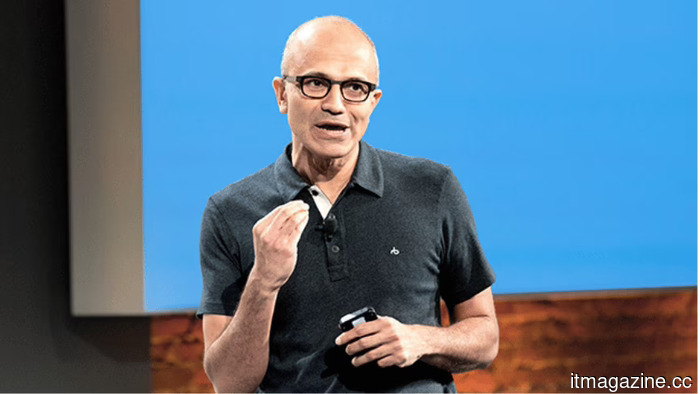 Microsoft excludes a crucial compensation question from employee survey findings.
Microsoft omitted its "good deal" compensation inquiry from the primary survey results. Employees are expressing their dissatisfaction on internal forums.
Microsoft excludes a crucial compensation question from employee survey findings.
Microsoft omitted its "good deal" compensation inquiry from the primary survey results. Employees are expressing their dissatisfaction on internal forums.
 A vulnerability in GitHub.dev allows attackers to steal OAuth tokens with a single click.
A vulnerability in VS Code on GitHub.dev allows attackers to obtain complete GitHub OAuth tokens through a single malicious link, which could expose all private repositories.
A vulnerability in GitHub.dev allows attackers to steal OAuth tokens with a single click.
A vulnerability in VS Code on GitHub.dev allows attackers to obtain complete GitHub OAuth tokens through a single malicious link, which could expose all private repositories.
 Amazon's latest search tool will now deceive you with AI-created product images.
Amazon has enhanced its search bar to produce AI-generated product images in real-time as you type, and has introduced a Shop by Style feature that includes shoppable AI outfit collages.
Amazon's latest search tool will now deceive you with AI-created product images.
Amazon has enhanced its search bar to produce AI-generated product images in real-time as you type, and has introduced a Shop by Style feature that includes shoppable AI outfit collages.
Alphabet secures a record $85 billion in equity for AI infrastructure.
Alphabet's $85 billion equity sale, with $10 billion coming from Berkshire Hathaway, represents the largest stock offering in history, designated for AI capital expenditures.