
GoPro cautioned that it might not endure. The AI memory crisis is harming companies that produce tangible items.
GoPro issued a warning regarding its ability to continue operations as a going concern after experiencing an 80-115% surge in memory prices and a 26% decline in revenue. The company is considering a sale, shifting towards defense, and implementing 23% staff reductions.
On Monday, GoPro highlighted there is "substantial doubt" about its ongoing viability. The action-camera manufacturer recorded a 26% drop in revenue for Q1 and anticipates violating several loan covenants, leading to a share price decline of up to 14%.
The primary issue stems from memory costs. GoPro stated its earnings outlook has been "significantly impacted" by a significant rise in memory prices. In April, suppliers notified the company of an anticipated decrease in memory supply that would further diminish sales forecasts. The shift in DRAM allocation hurting affordable smartphones now poses a threat to GoPro.
As discussed previously, major companies like Samsung, SK Hynix, and Micron have reallocated wafer capacity from consumer DRAM to high-bandwidth memory for AI data centers, which offers much higher margins (70% or more) compared to the 20-30% margins of consumer DRAM. Consequently, memory producers are prioritizing higher-margin clients, leaving others to face increased costs or diminished supply.
Unlike Apple, which can negotiate pricing and transfer costs to consumers buying high-end devices, GoPro lacks the purchasing power to withstand price hikes. As a company generating under $1 billion in revenue, selling products priced between $300 and $500, reliance on commodity memory for high-resolution video results in unprofitability when memory costs double.
After not meeting loan covenants, the company has received waivers from its lender but expects challenges in maintaining liquidity if default provisions are enacted. GoPro holds a $50 million second-lien facility with Farallon Capital Management and a revolving credit line with Wells Fargo.
The company has enlisted advisors to explore strategic options, including a potential sale or merger, and is looking into opportunities in defense and aerospace for new markets and product lines. Additionally, it announced plans to reduce its global workforce by 23% in April.
This pivot to defense mirrors Faraday Future’s shift towards robotics, as consumer electronics firms under financial strain seek out higher-margin markets supported by government funding. It remains uncertain whether GoPro’s expertise in rugged cameras will secure defense contracts.
The only near-term relief for supply issues may come from China, as ChangXin Memory Technologies has been observed supplying DRAM for Corsair’s retail DDR5 kits. However, CXMT also aims to allocate 20% of its capacity to HBM due to the attractive margins, indicating that the consumer memory shortage is fundamentally structural rather than cyclical.
The memory crisis impacts consumer electronics broadly, with the Asus ROG NUC 16 costing $1,200 more than last year's model partly due to DDR5 price increases. Dell raised laptop prices by 15-20% in December, and Apple has agreed to a 100% premium for LPDDR5X used in iPhones. Unlike these companies, GoPro cannot absorb such costs.
Founded in 2002 by Nicholas Woodman, GoPro went public in 2014 with a $3 billion valuation, popularizing the action camera market and becoming synonymous with extreme sports. Its stock peaked above $90 in 2014 but now trades below $1.
The going-concern warning places GoPro among the most visible corporate victims of the AI-driven memory reallocation, a fate likely shared by other consumer electronics firms that operate on narrow margins and rely on commodity DRAM. While the AI boom has generated significant wealth for a handful of memory manufacturers and their clients, GoPro finds itself on the opposite side of this trend.
Other articles
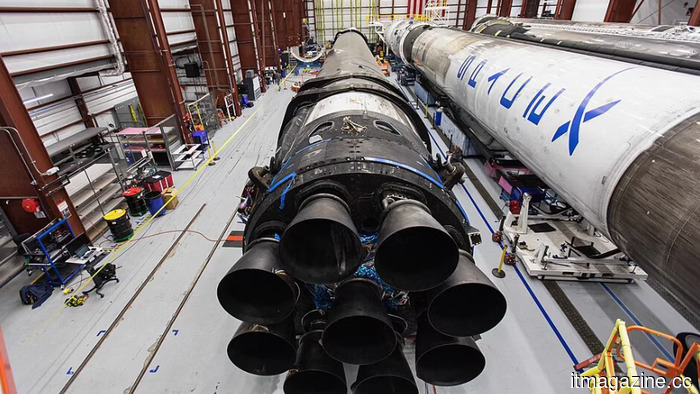 The surge in space stocks falters as the SpaceX IPO approaches and Blue Origin faces a setback.
Rocket Lab, Intuitive Machines, and AST SpaceMobile saw their shares fall by 17-23% over two days as investors get ready to exchange their space-related stocks for SpaceX once its record IPO is established.
The surge in space stocks falters as the SpaceX IPO approaches and Blue Origin faces a setback.
Rocket Lab, Intuitive Machines, and AST SpaceMobile saw their shares fall by 17-23% over two days as investors get ready to exchange their space-related stocks for SpaceX once its record IPO is established.
 Hackers took control of Instagram accounts by requesting password resets from Meta's AI chatbot.
The AI support bot included a hacker's email, dispatched a verification code, and provided a button for resetting the password. Access to the victim's email was not required.
Hackers took control of Instagram accounts by requesting password resets from Meta's AI chatbot.
The AI support bot included a hacker's email, dispatched a verification code, and provided a button for resetting the password. Access to the victim's email was not required.
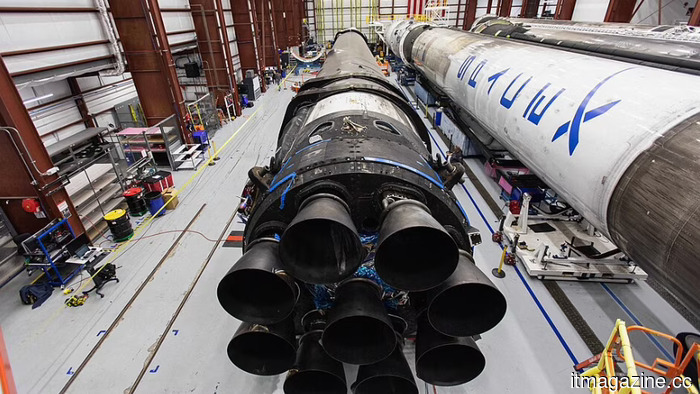 The surge in space stocks falters as the SpaceX IPO approaches and Blue Origin faces setbacks.
Rocket Lab, Intuitive Machines, and AST SpaceMobile have seen a decline of 17-23% over the course of two days as investors look to replace space proxies with SpaceX following its upcoming record IPO.
The surge in space stocks falters as the SpaceX IPO approaches and Blue Origin faces setbacks.
Rocket Lab, Intuitive Machines, and AST SpaceMobile have seen a decline of 17-23% over the course of two days as investors look to replace space proxies with SpaceX following its upcoming record IPO.
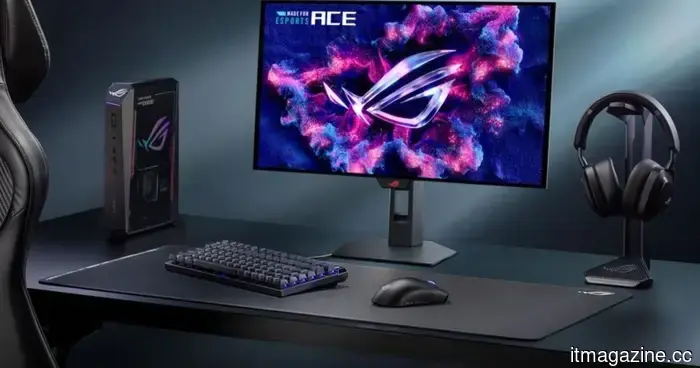 Asus unveils the first-ever OLED esports monitor along with a Color ePaper secondary display.
I never expected to see a 540Hz OLED esports monitor and a color ePaper display in 2026, but Asus has just introduced both.
Asus unveils the first-ever OLED esports monitor along with a Color ePaper secondary display.
I never expected to see a 540Hz OLED esports monitor and a color ePaper display in 2026, but Asus has just introduced both.
 GoPro has cautioned that it might not endure. The AI memory shortage is harming companies that produce tangible products.
Memory prices increased by 80-115%. Revenue dropped by 26%. GoPro expressed "substantial doubt" regarding its ability to continue operations. The company is considering a sale or a shift toward defense.
GoPro has cautioned that it might not endure. The AI memory shortage is harming companies that produce tangible products.
Memory prices increased by 80-115%. Revenue dropped by 26%. GoPro expressed "substantial doubt" regarding its ability to continue operations. The company is considering a sale or a shift toward defense.
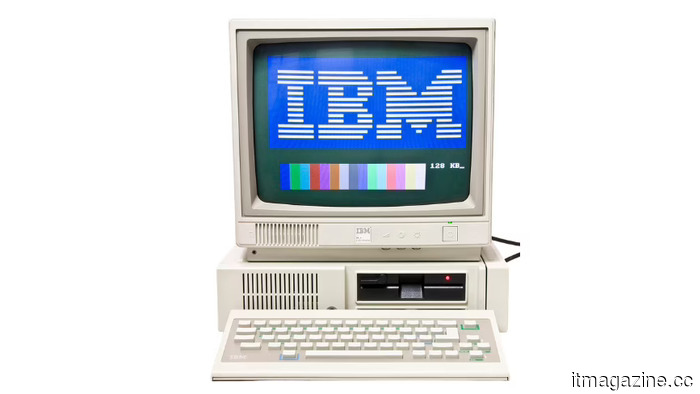
 IBM jumps 30% after Barclays describes its software as the solution to the SaaSpocalypse.
Barclays has started coverage of IBM with an overweight rating and a target price of $350, noting that its infrastructure software is resistant to AI disruption. The stock rose 30% in May due to commitments in quantum technology.
IBM jumps 30% after Barclays describes its software as the solution to the SaaSpocalypse.
Barclays has started coverage of IBM with an overweight rating and a target price of $350, noting that its infrastructure software is resistant to AI disruption. The stock rose 30% in May due to commitments in quantum technology.
GoPro cautioned that it might not endure. The AI memory crisis is harming companies that produce tangible items.
Memory prices increased by 80-115%. Revenue decreased by 26%. GoPro indicated "substantial doubt" regarding its continued viability. The company is considering a sale or a shift to the defense sector.