
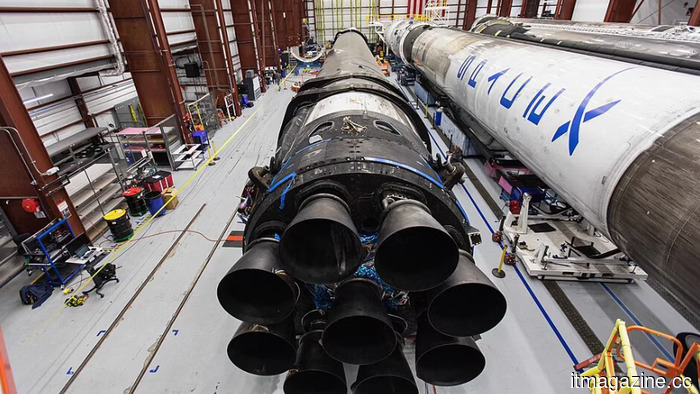
The surge in space stocks falters as the SpaceX IPO approaches and Blue Origin faces a setback.
**Summary**
Space stocks have experienced a sharp selloff as the SpaceX IPO nears and a Blue Origin rocket explosion has shaken investor confidence. The Procure Space ETF plummeted by 11% over two sessions, with Rocket Lab, Intuitive Machines, and AST SpaceMobile seeing declines between 17% and 23%.
After an impressive rally earlier this year, space stocks are showing significant signs of weakness. The Procure Space ETF, trading under the ticker UFO, has seen an 11% drop in just two days. Rocket Lab and Intuitive Machines each experienced losses of about 17%, while AST SpaceMobile, a favorite among retail traders, has fallen nearly 23%. This selloff has extended the declines that began late last week and intensified on Monday.
Two major events influenced this shift. Firstly, Blue Origin’s reusable New Glenn rocket exploded during a routine hot-fire test at Cape Canaveral last Thursday, causing damage to the launchpad and serving as a stark reminder of the physical dangers and technical uncertainties in the space industry. Secondly, SpaceX reduced its IPO valuation target from at least $2 trillion to $1.8 trillion, indicating that even the sector's leading player recognizes that market expectations may be unrealistic.
**Unwinding the Proxy Trade**
The recent rally in space stocks was largely fueled by expectations surrounding SpaceX’s anticipated IPO. Investors looking for exposure to the space sector turned to publicly listed alternatives like Rocket Lab for launches, Intuitive Machines for lunar services, AST SpaceMobile for satellite communications, and Redwire for space infrastructure. As the reality of SpaceX’s IPO filing set in, these proxy stocks surged on the belief that the entire sector would benefit.
Despite the two-day selloff, the Procure Space ETF remains up nearly 60% year to date, and Rocket Lab has increased by 413% over the past year. However, Bloomberg Intelligence analyst George Ferguson pointed out a structural concern: once SpaceX becomes publicly tradable, investors might shift from the proxies to the actual stock.
“The market may be concerned that investors seeking space exposure will abandon current listed companies for SpaceX, which has a far superior track record of launches,” Ferguson noted. “At similar valuations, SpaceX would likely be the more desirable investment.”
**Valuations Misaligned with Financials**
Jefferies analyst Greg Konrad highlighted the valuation disconnect on Monday by downgrading Redwire from buy to hold, stating that the stock's recent increases “do not align with financials” and instead reflect “multiple expansion driven by excitement surrounding SpaceX’s IPO.” Redwire had experienced a nearly threefold increase in the previous month but lost 16% on Monday. SpaceX’s S-1 filing showcased its financial scale, complicating comparisons with smaller space companies.
AST SpaceMobile is currently trading at approximately 260 times projected 2026 sales. Despite operational advancements with its Electron and Neutron rockets, Rocket Lab’s valuation is based on optimism regarding future government and commercial contracts rather than its existing revenue. The space sector has mirrored a trend seen in the AI boom: a narrative-driven rally that anticipates growth long before revenues manifest.
**Impact of the Blue Origin Incident**
The explosion of the New Glenn rocket added a tangible aspect to the market correction. The rocket detonated during a hot-fire test of its seven BE-4 first-stage engines, scattering debris across Cape Canaveral and causing significant damage to the infrastructure. While SpaceX has also faced launch failures, the Blue Origin incident served as a reminder for many public market investors—many of whom are newcomers to the space industry—that rockets are not software. Hardware malfunctions can instantly destroy valuable assets and delay development timelines by significant periods.
“This suggests that valuations may be somewhat inflated,” Ferguson remarked. The Blue Origin explosion served as “a reminder of the challenges in this business.”
**Virgin Galactic's Unique Performance**
Not all space stocks declined; Virgin Galactic saw its shares rise as much as 44% on Monday before settling at a gain of around 1.1%. This movement reflected the speculative, momentum-driven nature of the sector rather than any fundamental change in the company’s operations. The adjustment in SpaceX’s valuation target may have prompted short-covering in certain stocks while intensifying selling in others.
The future for the space sector hinges on whether the SpaceX IPO—expected to price in early June with marketing starting on June 4—attracts investment into the sector or diverts it away from all companies except SpaceX. If institutional investors concentrate their space investments into the one company with a proven operational model, steady launch frequency, and revenue from Starlink, the proxy stocks that benefitted from the recent uptrend could face ongoing challenges even as the overall sector expands.
Other articles
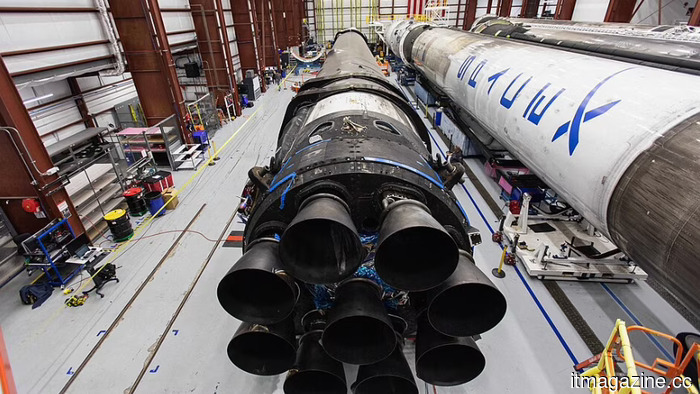 The surge in space stocks falters as the SpaceX IPO approaches and Blue Origin faces setbacks.
Rocket Lab, Intuitive Machines, and AST SpaceMobile have seen a decline of 17-23% over the course of two days as investors look to replace space proxies with SpaceX following its upcoming record IPO.
The surge in space stocks falters as the SpaceX IPO approaches and Blue Origin faces setbacks.
Rocket Lab, Intuitive Machines, and AST SpaceMobile have seen a decline of 17-23% over the course of two days as investors look to replace space proxies with SpaceX following its upcoming record IPO.
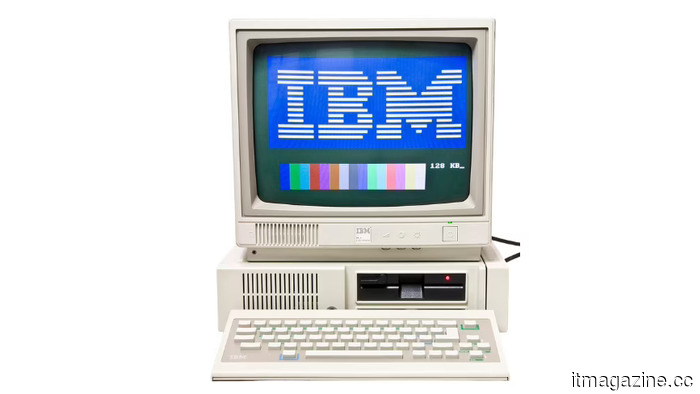 IBM jumps 30% after Barclays describes its software as the solution to the SaaSpocalypse.
Barclays has started coverage of IBM with an overweight rating and a target price of $350, noting that its infrastructure software is resistant to AI disruption. The stock rose 30% in May due to commitments in quantum technology.
IBM jumps 30% after Barclays describes its software as the solution to the SaaSpocalypse.
Barclays has started coverage of IBM with an overweight rating and a target price of $350, noting that its infrastructure software is resistant to AI disruption. The stock rose 30% in May due to commitments in quantum technology.
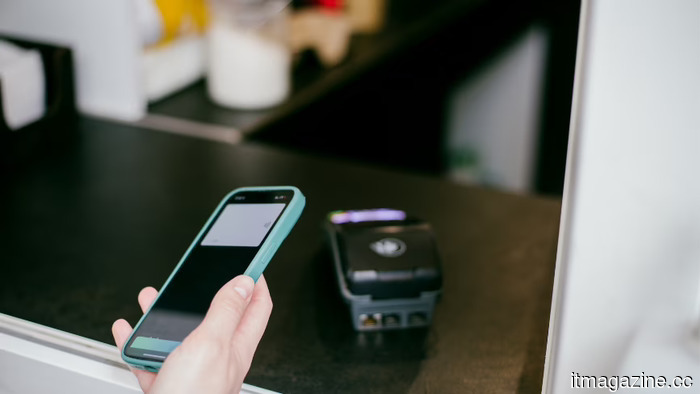 Apple prepares receipt-scanning bill splitter for iOS 27.
Apple is set to introduce a bill-splitting feature in iOS 27 that captures photos of receipts, allocates items to friends, and creates Apple Cash requests, posing a challenge to Splitwise and Venmo.
Vulnerability in WP Maps Pro for WordPress leveraged to generate admin accounts.
CVE-2026-8732 in WP Maps Pro allows unauthenticated attackers to set up admin accounts on over 15,000 WordPress websites. Within 24 hours, Wordfence prevented 2,858 attack attempts.
Apple prepares receipt-scanning bill splitter for iOS 27.
Apple is set to introduce a bill-splitting feature in iOS 27 that captures photos of receipts, allocates items to friends, and creates Apple Cash requests, posing a challenge to Splitwise and Venmo.
Vulnerability in WP Maps Pro for WordPress leveraged to generate admin accounts.
CVE-2026-8732 in WP Maps Pro allows unauthenticated attackers to set up admin accounts on over 15,000 WordPress websites. Within 24 hours, Wordfence prevented 2,858 attack attempts.
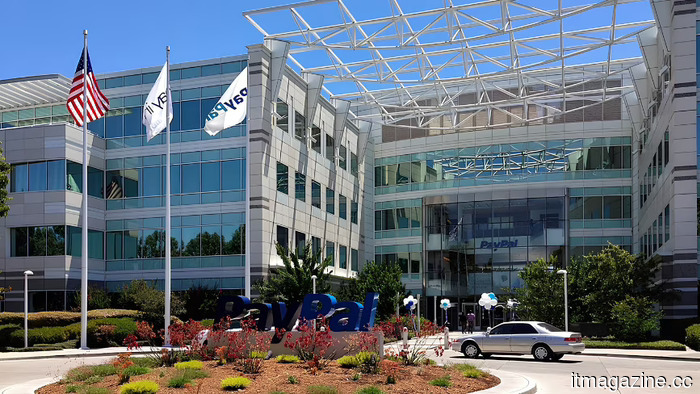 Tencent allows PayPal users to make payments using WeChat QR codes in China.
PayPal users can now scan WeChat Pay QR codes throughout China's merchant network, eliminating the main obstacle for foreign tourists in a nation where cash has disappeared.
Tencent allows PayPal users to make payments using WeChat QR codes in China.
PayPal users can now scan WeChat Pay QR codes throughout China's merchant network, eliminating the main obstacle for foreign tourists in a nation where cash has disappeared.
The surge in space stocks falters as the SpaceX IPO approaches and Blue Origin faces a setback.
Rocket Lab, Intuitive Machines, and AST SpaceMobile saw their shares fall by 17-23% over two days as investors get ready to exchange their space-related stocks for SpaceX once its record IPO is established.