
The surge in space stocks falters as the SpaceX IPO approaches and Blue Origin faces setbacks.
TL;DR: Space stocks are experiencing a significant sell-off ahead of the SpaceX IPO and following a Blue Origin rocket explosion that has shaken investor sentiment. The Procure Space ETF has declined by 11% in two sessions, with Rocket Lab, Intuitive Machines, and AST SpaceMobile witnessing losses between 17% and 23%.
The remarkable rally in space-related stocks this year is showing signs of weakness. The Procure Space ETF, trading as UFO, has fallen nearly 11% in just two days. Both Intuitive Machines and Rocket Lab have dropped about 17%, while AST SpaceMobile, once a favorite among retail investors, has plunged nearly 23%. This downward trend is an extension of losses that began late last week and intensified on Monday.
Two main events contributed to this situation. On Thursday, Blue Origin’s reusable New Glenn rocket exploded during a routine test at Cape Canaveral, an eye-catching failure that damaged the launchpad and reminded investors of the inherent risks and uncertainties in the space industry. Then, on Friday, SpaceX reduced its IPO valuation target to $1.8 trillion from a minimum of $2 trillion, indicating that even the leading player in the field recognizes that market expectations might be unrealistic.
The unwind of proxy trades
The rally in space stocks over the past several months was largely fueled by expectations surrounding SpaceX’s anticipated IPO. As SpaceX remains privately held, investors seeking exposure to the space sector turned to publicly traded proxy companies, such as Rocket Lab for launches, Intuitive Machines for lunar operations, AST SpaceMobile for satellite communications, and Redwire for space infrastructure. As the SpaceX IPO filing transitioned from speculation to reality, these proxy stocks surged, based on the belief that the success of SpaceX would elevate the entire sector.
Despite the recent drop, the Procure Space ETF is still up nearly 60% year to date. Rocket Lab has seen a 413% increase over the past year before the sell-off. However, Bloomberg Intelligence analyst George Ferguson highlighted a structural issue: once SpaceX becomes publicly available, investors may prefer to invest in it over the proxies.
"The market may fear that investors wanting space exposure will shift to SpaceX, given its larger size and superior track record in launches," Ferguson stated. "At comparable valuations, SpaceX is likely the more attractive investment."
Detachment of valuations from fundamentals
On Monday, Jefferies analyst Greg Konrad pointed out the disconnect by downgrading Redwire from buy to hold. He mentioned that recent stock gains "do not align with financials," but rather reflect "multiple expansion from the hype surrounding the SpaceX IPO, which has cast a favorable light on the sector." Redwire had almost tripled over the previous month to reach a peak before decreasing by 16% on Monday. SpaceX’s S-1 filing revealed financial metrics that make comparisons with smaller space companies challenging.
AST SpaceMobile is currently valued at about 260 times its projected 2026 sales. Despite Rocket Lab's operational advancements with its Electron and Neutron rockets, its valuation relies more on optimism for future contracts than on present revenue. The space sector has mirrored a familiar trend seen during the AI boom: a narrative-driven rally that anticipates years of growth prior to the actual revenue coming in.
The Blue Origin incident's impact
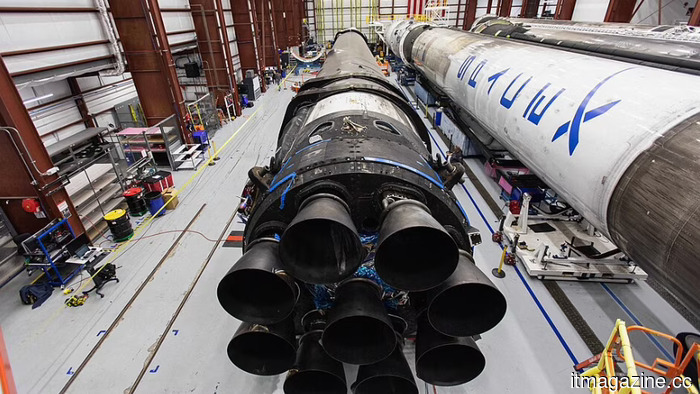
The New Glenn explosion added a significant emotional aspect to this correction. The rocket detonated during a hot-fire test of its seven BE-4 first-stage engines, scattering debris across the launchpad and causing substantial infrastructure damage. Although SpaceX has faced its share of launch failures, the Blue Origin event served as a reminder to public market investors—many of whom are new to this field—that rockets are not like software; hardware failures can result in the immediate loss of expensive assets and delay development timelines by months or years.
"This suggests valuations might be overly high," Ferguson noted, adding that the Blue Origin explosion was “a reminder of the challenges in this industry.”
Virgin Galactic’s unique performance
Not all space stocks suffered losses; Virgin Galactic surged by as much as 44% on Monday before trimming those gains to 1.1%. This fluctuation reflects the speculative, momentum-driven nature of the sector rather than any fundamental changes in the company's operations. SpaceX's revised valuation target could have influenced short-covering in some stocks while prompting increased selling in others.
The pivotal question for the space sector is whether the upcoming SpaceX IPO, expected to price in early June with marketing starting on June 4, will attract investment to the sector or lead to a withdrawal from all but SpaceX. Should institutional investors consolidate their exposure to space into the single company with a proven business model, consistent launch schedule, and Starlink revenues, the proxy stocks that initially benefitted could face ongoing pressure, even as the overall sector continues to expand.
Other articles
 The Asus ROG Ally X receives a unique redesign featuring an OLED display and elegant gold accents that are not overly flashy.
The anniversary edition introduces OLED to the Ally series for the first time, featuring a 7.4-inch 120Hz 1,400-nit display, AMD Ryzen AI Z2 Extreme, and TMR joysticks.
GoPro cautioned that it might not endure. The AI memory crisis is harming companies that produce tangible items.
Memory prices increased by 80-115%. Revenue decreased by 26%. GoPro indicated "substantial doubt" regarding its continued viability. The company is considering a sale or a shift to the defense sector.
The Asus ROG Ally X receives a unique redesign featuring an OLED display and elegant gold accents that are not overly flashy.
The anniversary edition introduces OLED to the Ally series for the first time, featuring a 7.4-inch 120Hz 1,400-nit display, AMD Ryzen AI Z2 Extreme, and TMR joysticks.
GoPro cautioned that it might not endure. The AI memory crisis is harming companies that produce tangible items.
Memory prices increased by 80-115%. Revenue decreased by 26%. GoPro indicated "substantial doubt" regarding its continued viability. The company is considering a sale or a shift to the defense sector.
 GoPro cautioned that it might not endure. The AI memory crisis is threatening the survival of companies that produce tangible products.
Memory prices increased by 80-115%. Revenue decreased by 26%. GoPro expressed "substantial doubt" regarding its ability to persist. The company is considering a sale or a shift towards the defense sector.
GoPro cautioned that it might not endure. The AI memory crisis is threatening the survival of companies that produce tangible products.
Memory prices increased by 80-115%. Revenue decreased by 26%. GoPro expressed "substantial doubt" regarding its ability to persist. The company is considering a sale or a shift towards the defense sector.
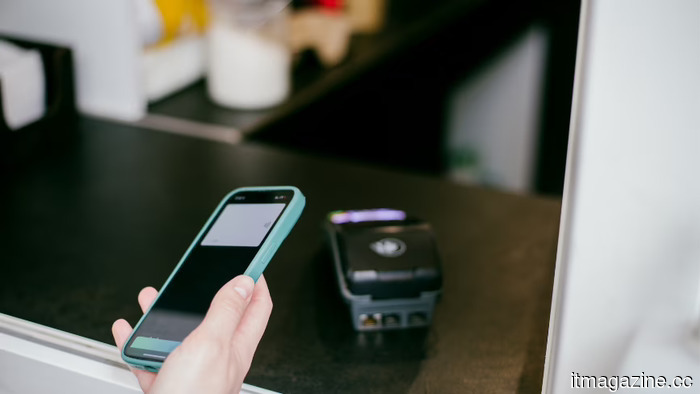 Apple prepares a receipt-scanning bill splitter for iOS 27.
Apple is set to introduce a bill-splitting feature in iOS 27 that takes photos of receipts, allocates items to friends, and creates requests for Apple Cash, marking a challenge to Splitwise and Venmo.
Apple prepares a receipt-scanning bill splitter for iOS 27.
Apple is set to introduce a bill-splitting feature in iOS 27 that takes photos of receipts, allocates items to friends, and creates requests for Apple Cash, marking a challenge to Splitwise and Venmo.
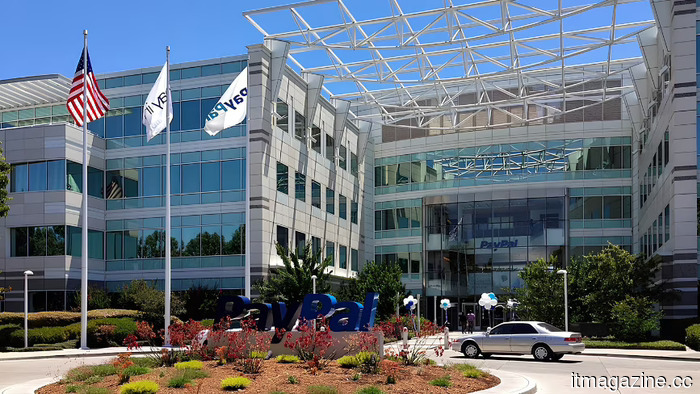 Tencent allows PayPal users to make payments using WeChat QR codes in China.
PayPal users can now scan WeChat Pay QR codes while shopping at merchants throughout China, eliminating the main barrier for foreign tourists in a country where cash is no longer prevalent.
Tencent allows PayPal users to make payments using WeChat QR codes in China.
PayPal users can now scan WeChat Pay QR codes while shopping at merchants throughout China, eliminating the main barrier for foreign tourists in a country where cash is no longer prevalent.
 GoPro has cautioned that it might not endure. The AI memory shortage is harming companies that produce tangible products.
Memory prices increased by 80-115%. Revenue dropped by 26%. GoPro expressed "substantial doubt" regarding its ability to continue operations. The company is considering a sale or a shift toward defense.
GoPro has cautioned that it might not endure. The AI memory shortage is harming companies that produce tangible products.
Memory prices increased by 80-115%. Revenue dropped by 26%. GoPro expressed "substantial doubt" regarding its ability to continue operations. The company is considering a sale or a shift toward defense.
The surge in space stocks falters as the SpaceX IPO approaches and Blue Origin faces setbacks.
Rocket Lab, Intuitive Machines, and AST SpaceMobile have seen a decline of 17-23% over the course of two days as investors look to replace space proxies with SpaceX following its upcoming record IPO.