
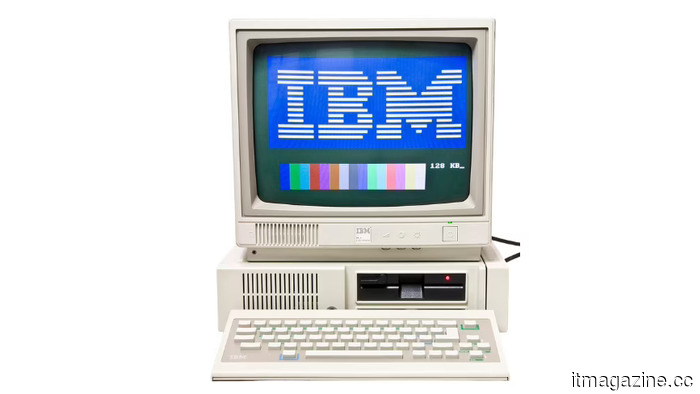
IBM jumps 30% after Barclays describes its software as the solution to the SaaSpocalypse.
IBM's stock jumped by 10% following Barclays' initiation of coverage with an overweight rating and a $350 price target, which is about 11% above the opening price. This increase builds on a nearly 30% rally in May, marking IBM's best monthly performance in almost 24 years. Year to date, the stock has risen 10%, reversing losses from the earlier SaaSpocalypse selloff that affected software stocks.
Barclays’ optimistic outlook isn't solely about quantum computing, although that plays a significant role. The primary focus is on IBM's infrastructure software portfolio, which caters to large, heavily regulated enterprises and is responsible for a significant portion of the company’s profits. In an environment where AI is threatening horizontal SaaS companies, Barclays asserts that IBM’s deeply embedded infrastructure tools are among the least likely to face disruption.
Regarding their software thesis, analysts stated, “Despite the negative perception surrounding software at the moment, IBM provides infrastructure software (the desirable segment) to major, often heavily regulated clients, creating a resilient setup that should remain unaffected by AI risks.” They anticipate mid-single-digit organic revenue growth along with continued margin expansion, referring to IBM as "a stable earnings compounder with a quantum option."
This distinction is significant. The SaaSpocalypse has negatively impacted software stocks in general, but those most affected are companies offering horizontal tools such as project management, CRM, and form builders—products that AI could easily replicate. In contrast, IBM's software ventures, which cover middleware, database management, and enterprise integration platforms, operate at the infrastructure level where switching costs can take years, and compliance needs function as natural barriers to entry.
In their most optimistic scenario, Barclays set a price target of $449, indicating a potential 51% increase from the last closing price.
Barclays positioned IBM's foray into quantum computing as a supplementary opportunity rather than the core investment thesis. The analysts noted, “Quantum computing may transform into the next major computing paradigm, following the eras of CPU and GPU," likening IBM's stance in quantum to Nvidia’s GPU dominance. The recent overly subscribed IPO of Quantinuum illustrates a robust investor interest in quantum technologies.
IBM plans to invest $10 billion in quantum computing over the next five years, as stated in a regulatory filing made public last week. The centerpiece of this initiative is Anderon, a dedicated quantum chip foundry located in Albany, New York, supported by $1 billion from the US Department of Commerce under the CHIPS Act, matched by IBM's own investment. Anderon aims to operate the first purpose-built 300-millimeter quantum wafer fabrication facility in the US.
The Department of Commerce's $2 billion quantum portfolio, allocated among nine companies and announced on May 21, stands as the largest single quantum research and development commitment in US history, with IBM receiving the largest portion. Other smaller firms such as D-Wave Quantum and Rigetti Computing, along with their European counterparts, are exploring various quantum architectures backed by their governments.
A notable addition to the recent stock surge is a video featuring President Trump from a December 2025 business roundtable, which has been widely shared on platforms like X and Reddit. In the clip, Trump lauds IBM CEO Arvind Krishna as “a legend” and comments on the stock's performance, suggesting he believes it will continue to rise. Posts on social media have depicted this clip as Trump endorsing IBM stock. Filings with the Office of Government Ethics indicate that Trump's personal investment account has acquired shares in IBM in recent months. This combination of presidential acknowledgment, visible government support via quantum funding, and Barclays’ coverage initiation has created a momentum that is attracting both institutional and retail investors.
In the larger context, IBM's recent stock performance aligns with a trend of legacy computing firms regaining significance in the AI landscape. For instance, Dell's stock increased by 32% last week due to demand for AI servers, and Cisco has seen a resurgence based on enterprise networking needs driven by AI infrastructure developments. IBM’s narrative combines two elements: a software business that is resilient against AI disruption and a quantum computing initiative that could become revolutionary if the technology progresses as anticipated.
The justification for the current stock increase based solely on the quantum option is up for debate. While IBM's quantum program is authentic and well-financed, it will likely be years before commercial quantum computing contributes substantially to revenue. Barclays clearly states that the investment rationale hinges on the software business today, with quantum computing serving as potential future growth. For investors who were impacted by the SaaSpocalypse, the attractiveness of a software company with a loyal customer base and products that AI makes increasingly valuable is clear.
Other articles
 IBM experiences a 30% increase as Barclays labels its software as the remedy for the SaaSpocalypse.
Barclays began coverage on IBM with an overweight rating and a target price of $350, stating that its infrastructure software is resilient against AI disruption. The stock rose 30% in May due to commitments in quantum technology.
IBM experiences a 30% increase as Barclays labels its software as the remedy for the SaaSpocalypse.
Barclays began coverage on IBM with an overweight rating and a target price of $350, stating that its infrastructure software is resilient against AI disruption. The stock rose 30% in May due to commitments in quantum technology.
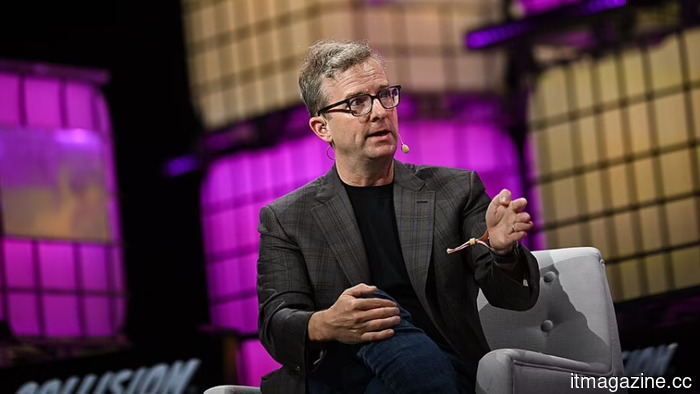 Former Meta CTO establishes a $250 million climate fund amid growing energy demands from AI.
Gigascale Capital, led by Mike Schroepfer, has raised $250 million to invest in energy and climate startups, believing that the growing energy needs of AI will position clean technology as the true beneficiaries of the AI surge.
Former Meta CTO establishes a $250 million climate fund amid growing energy demands from AI.
Gigascale Capital, led by Mike Schroepfer, has raised $250 million to invest in energy and climate startups, believing that the growing energy needs of AI will position clean technology as the true beneficiaries of the AI surge.
 Apple prepares a receipt-scanning bill splitter for iOS 27.
Apple is set to introduce a bill-splitting feature in iOS 27 that takes photos of receipts, allocates items to friends, and creates requests for Apple Cash, marking a challenge to Splitwise and Venmo.
Apple prepares a receipt-scanning bill splitter for iOS 27.
Apple is set to introduce a bill-splitting feature in iOS 27 that takes photos of receipts, allocates items to friends, and creates requests for Apple Cash, marking a challenge to Splitwise and Venmo.
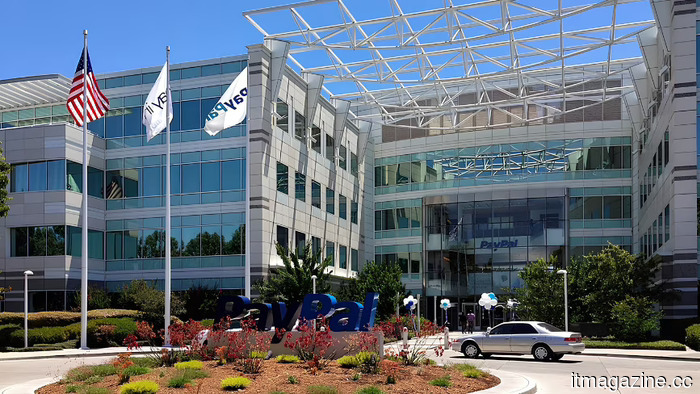 Tencent allows PayPal users to make payments using WeChat QR codes in China.
PayPal users can now scan WeChat Pay QR codes throughout China's merchant network, eliminating the main obstacle for foreign tourists in a nation where cash has disappeared.
Tencent allows PayPal users to make payments using WeChat QR codes in China.
PayPal users can now scan WeChat Pay QR codes throughout China's merchant network, eliminating the main obstacle for foreign tourists in a nation where cash has disappeared.
 Hackers gained control of Instagram accounts by requesting a password reset from Meta's AI chatbot.
The AI support bot included a hacker’s email, dispatched a verification code, and provided a password reset option, without requiring access to the victim’s email.
Hackers gained control of Instagram accounts by requesting a password reset from Meta's AI chatbot.
The AI support bot included a hacker’s email, dispatched a verification code, and provided a password reset option, without requiring access to the victim’s email.
 Salesforce's investment in Anthropic reaches $5 billion in preparation for the IPO filing.
Salesforce transformed an initial $50 million investment in Anthropic into a $5 billion stake, which now constitutes two-thirds of its entire strategic portfolio, as the creator of Claude prepares for an IPO with a $965 billion valuation.
Salesforce's investment in Anthropic reaches $5 billion in preparation for the IPO filing.
Salesforce transformed an initial $50 million investment in Anthropic into a $5 billion stake, which now constitutes two-thirds of its entire strategic portfolio, as the creator of Claude prepares for an IPO with a $965 billion valuation.
IBM jumps 30% after Barclays describes its software as the solution to the SaaSpocalypse.
Barclays has started coverage of IBM with an overweight rating and a target price of $350, noting that its infrastructure software is resistant to AI disruption. The stock rose 30% in May due to commitments in quantum technology.