
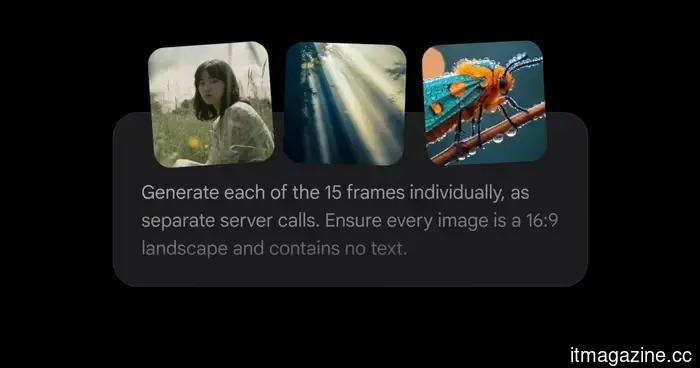
The prompt box is consuming Photoshop.
Upon returning from a recent trip, I found myself sifting through a collection of photos that required some touch-ups. Nothing too serious — just a distracting object here and an awkward background detail there. Initially, I considered using Photoshop, but the full version requires a subscription, and I neither have the skills to justify the cost nor the need for all its features.
Mobile editing apps didn’t entice me either. With my clumsy fingers, it’s incredibly frustrating to attempt precise edits on a phone screen, only to mistakenly tap the wrong option multiple times.
So, I decided to explore the obvious alternative. AI image tools have been advancing rapidly, and every tech company seems to believe that the prompt box is the future. Why not try describing the edits I wanted and let the AI take care of the rest?
And, to be honest, it worked — sometimes. Other times, it felt like I was engaged in a polite disagreement with software that continually misinterpreted perfectly reasonable requests. This experience highlighted that while image editing is evolving quickly, it’s not necessarily becoming easier.
Why every editor aspires to be a chatbot
This form of interaction is rapidly becoming the new approach to image editing. Adobe is deeper integrating Firefly into Photoshop and testing conversational creative assistants. Canva has transformed design tasks into a plethora of “Magic” buttons. Google’s Gemini image tools, ChatGPT’s image generation, Midjourney, Ideogram, Runway, and other aspiring visual AI platforms revolve around the same idea: editing should feel less like software operation and more like seeking assistance.
The rationale is clear. Few individuals wished to become experts in Photoshop. They didn’t want to memorize selection tools, blend modes, adjustment layers, healing brushes, or understand the crucial distinction between “Save” and “Export as.” They simply wanted to eliminate a person from a background, straighten a photo, extend a scene, enhance a product shot, or create something acceptable for a presentation without needing to navigate a tutorial that starts with “first, grasp non-destructive workflows.”
The prompt box is alluring because it bypasses the formalities. It doesn’t inquire whether you know what a layer mask is; it requests a result.
The attraction is evident, and at times it genuinely feels liberating. A casual user can now accomplish in 20 seconds what used to require patience, software expertise, or assistance from a friend who owned Photoshop and owed them a favor. The old barrier was technical; now it’s more ambiguous: you still need to discern what looks right, what appears fake, and where the AI has creatively decided to deviate.
When editing turns into negotiation
The challenge arises because asking for assistance doesn’t guarantee you’ll receive it. Anyone who has used AI image tools for more than a brief period knows the slight disappointment that accompanies nearly correct results, which somehow makes it even more frustrating. The person has vanished, yet the background now appears like melted wallpaper. The lighting improves, but the entire image resembles a shot intended for an upscale dentist. The object has moved to the desired location, but the AI has subtly altered the table, adjusted the shadows, and added an inexplicable extra finger, as if hands were optional.
This is where editing morphs into negotiation. You’re not only modifying the image anymore; you’re also refining the request. Make it warmer, but don’t let it look artificial. Remove that object while keeping the background natural. Make the sky more dramatic, but avoid turning it into a fantasy poster. Keep the face unchanged, which should be obvious but often needs to be specified.
Old editing tools were frustrating because they required you to learn their rules. Prompt-based editing is bothersome because it assumes language is sufficient, which is a misguided assumption. Language can be imprecise, visual judgment is elusive, and AI models often display confidence reminiscent of an overzealous intern: quick, eager, and occasionally convinced that the brief included a second moon.
“Zoom and enhance!”
The marketing narrative promises instant designers, yet the reality is less glamorous: more people can now create design-like products without comprehending the underlying mechanics. This still represents a significant shift; however, it deserves skepticism beyond any product demonstration where every prompt succeeds perfectly on the first attempt.
The initial outcome is often the most compelling sales pitch. It can look surprisingly good at first glance, especially when the edit is straightforward. But when you request adjustments — fix the lighting, restore that detail, make the face less waxy — after several attempts, the image can begin to drift away from its original form. Details blur, people become indistinct, and the neat little edit loses its appeal the more you try to adjust it.
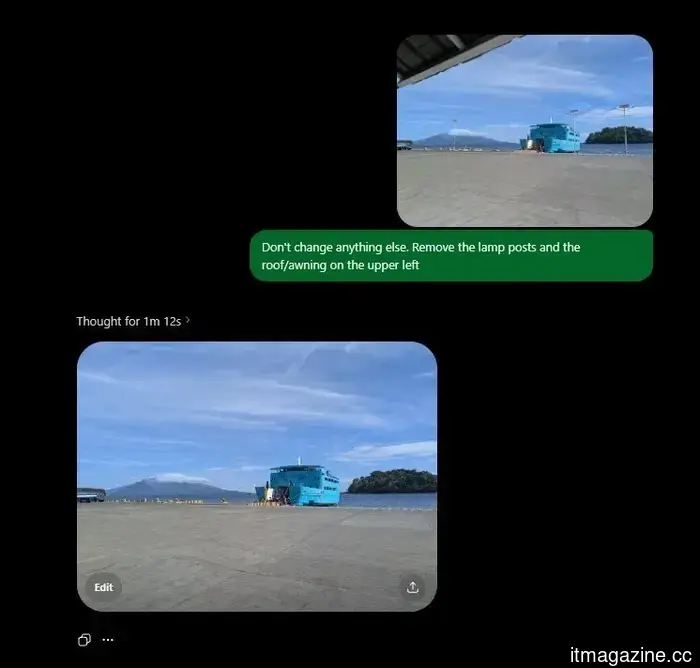
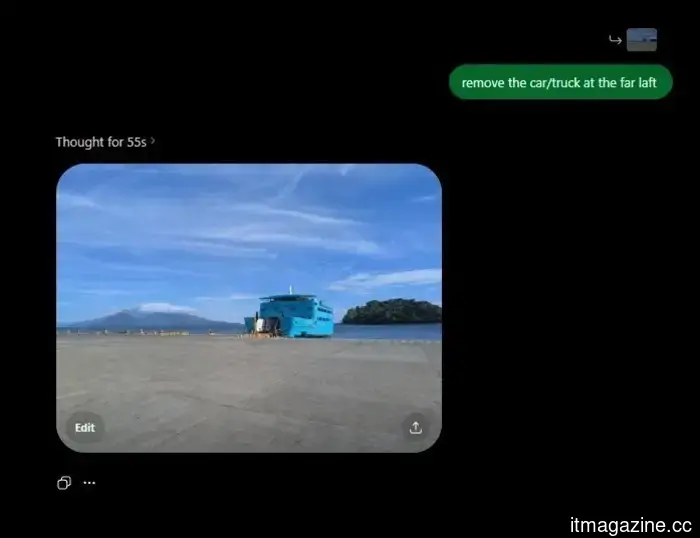
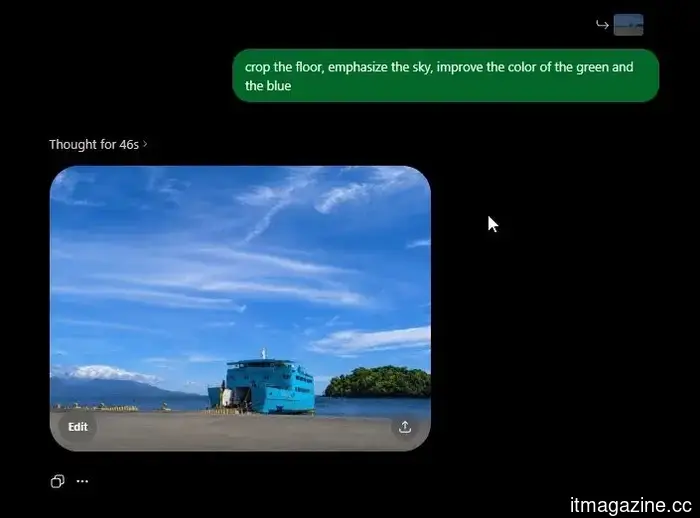
Not quite Photoshop, not entirely magic: the final image adheres to the prompts but also illustrates the limitations of iterative AI editing. Each alteration nudges the photo further from the original, particularly in terms of fine detail, texture, and color accuracy.
For professionals, this can be beneficial but not necessarily

Other articles
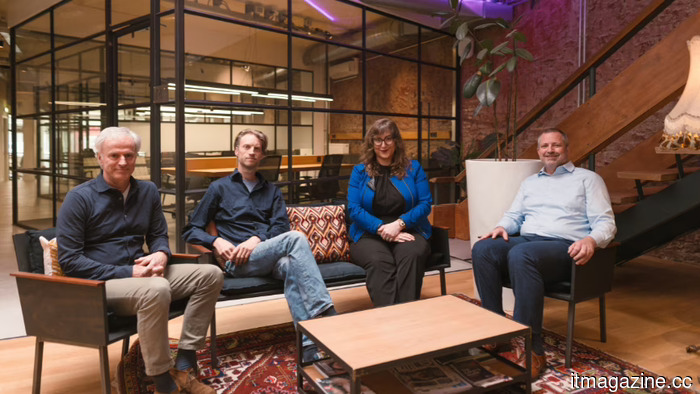 ASML spinout Invisix secures €20M to explore what the optics cannot reveal inside chips.
Eindhoven's Invisix has secured a €20M seed round to introduce soft x-ray metrology, based on Nobel-winning physics, to large-scale chip production.
ASML spinout Invisix secures €20M to explore what the optics cannot reveal inside chips.
Eindhoven's Invisix has secured a €20M seed round to introduce soft x-ray metrology, based on Nobel-winning physics, to large-scale chip production.
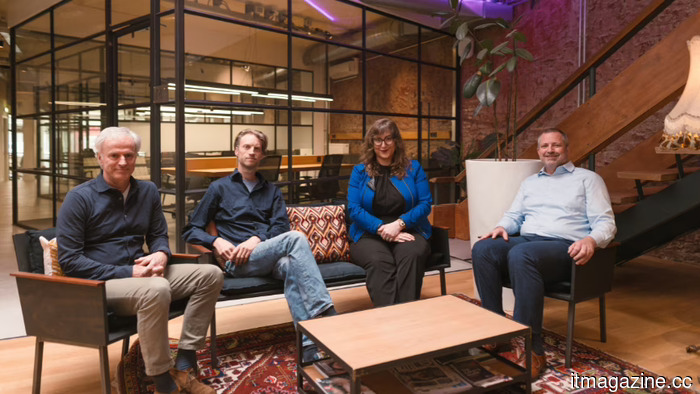 ASML spinout Invisix has secured €20 million to explore what optics cannot visualize within the chips.
Eindhoven's Invisix has secured a €20 million seed investment to introduce soft X-ray metrology, based on Nobel Prize-winning physics, into large-scale chip production.
ASML spinout Invisix has secured €20 million to explore what optics cannot visualize within the chips.
Eindhoven's Invisix has secured a €20 million seed investment to introduce soft X-ray metrology, based on Nobel Prize-winning physics, into large-scale chip production.
 Snapchat Planets: What is their sequence, and what do they represent?
Snapchat Planets transforms your friendship rankings into a miniature social solar system, where being Mercury is prestigious, while being Neptune could be a bit hurtful.
Snapchat Planets: What is their sequence, and what do they represent?
Snapchat Planets transforms your friendship rankings into a miniature social solar system, where being Mercury is prestigious, while being Neptune could be a bit hurtful.
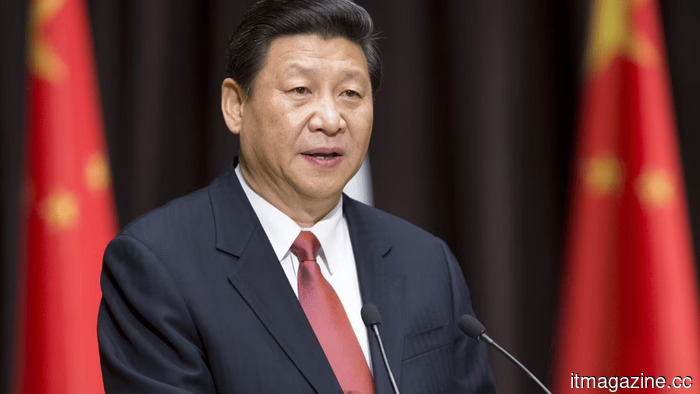 China officially establishes stricter regulations on outbound investments following the Meta-Manus blockade.
China has established stricter regulations for outbound investments that formalize the technology-tracing method previously employed by the NDRC to block Meta's $2 billion Manus acquisition. Securing cross-border AI transactions has become significantly more challenging.
China officially establishes stricter regulations on outbound investments following the Meta-Manus blockade.
China has established stricter regulations for outbound investments that formalize the technology-tracing method previously employed by the NDRC to block Meta's $2 billion Manus acquisition. Securing cross-border AI transactions has become significantly more challenging.
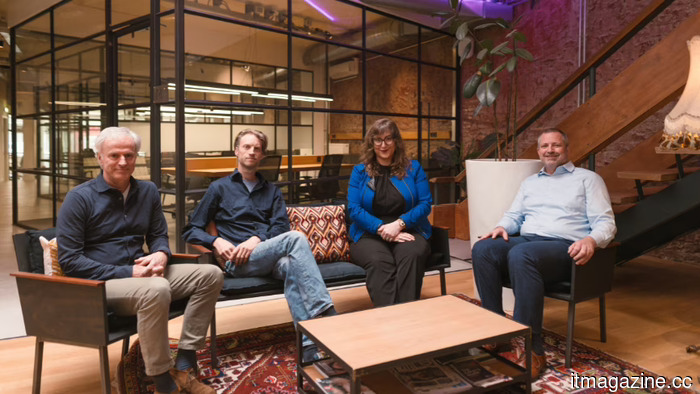 The ASML spinout Invisix has secured €20 million to explore areas within chips that optics cannot reveal.
Eindhoven's Invisix has secured a €20M seed funding round to introduce soft x-ray metrology, grounded in Nobel Prize-awarded physics, into high-volume chip production.
The ASML spinout Invisix has secured €20 million to explore areas within chips that optics cannot reveal.
Eindhoven's Invisix has secured a €20M seed funding round to introduce soft x-ray metrology, grounded in Nobel Prize-awarded physics, into high-volume chip production.
 Dell's $699 XPS 13 directly enters the realm of MacBook Neo.
Dell introduced a new XPS 13 priced at $699 ($599 for students), targeting Apple’s MacBook Neo by offering a touchscreen, reduced weight, and Intel’s latest Wildcat Lake CPU.
Dell's $699 XPS 13 directly enters the realm of MacBook Neo.
Dell introduced a new XPS 13 priced at $699 ($599 for students), targeting Apple’s MacBook Neo by offering a touchscreen, reduced weight, and Intel’s latest Wildcat Lake CPU.
The prompt box is consuming Photoshop.
AI image editors are shifting the creative process to feel more like providing directives rather than operating software. However, the prompt box introduces its own set of challenges.